




This article is from the Students United News Network (SUNN) and provided by the first citywide student-led newspaper in the USA, the Nashville SUNN (NashvilleSUNN.com).
With the 2026 primary season at an end, Democrats and Republicans are getting a sense of what type of candidates could pull young voters to the polls for the midterms in November. Although primary elections typically draw out the most engaged voters and are an imperfect measure of voter enthusiasm, they can be an early indication of the campaign styles and policies that will motivate voters in the general election.
Appealing to young voters has never been more complicated. Young people consume more political content and media than any generation before them, thanks to social media apps
like Instagram and TikTok. And while there’s plenty of anecdotal evidence of young people being politically involved – from young conservatives protesting abortion rights to young liberals participating in “No Kings” demonstrations – there are also troubling signs that young people are losing faith in the political system.
A recent national poll from Harvard’s Institute of Politics – which has tracked youth voter opinion since 2000 – found that just 12% of voters ages 18 to 29 say they feel motivated to participate in the upcoming midterms.
“The economy is squeezing them. Iran is raising real fear. And too many young Americans feel invisible to the people in power – let alone represented by them,” wrote John Della Volpe, director of polling at the Institute of Politics, in an introduction to the poll. “In a democracy, that’s a signal leaders can’t afford to ignore.”
In the election season ahead, politicians will have to fight for the youth vote and figure out how to make young people believe that their participation has an impact. Whether candidates can pull it off remains to be seen. But the primary election results give some insight into which politicians are resonating. This is especially true for Democratic Party candidates, given that Democrats are out of power and held more competitive primaries this season compared to Republicans. Here are five up-and-coming names who appear to be motivating younger voters.
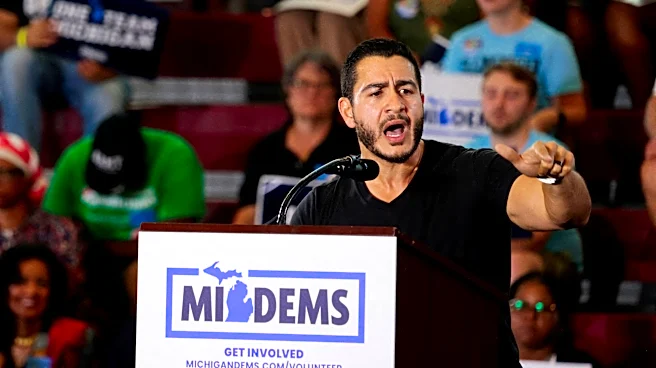
Abdul El-Sayed
Born in metropolitan Detroit to Egyptian immigrant parents, Abdul El-Sayed won the Democratic primary for Michigan Senate, defeating Rep. Haley Stevens by 1 percentage point, in a win for the progressive wing of the party. El-Sayed, a former public health official and epidemiologist who advocates for Medicare for All and rejects corporate PAC money, campaigned on college campuses, including University of Michigan and Michigan State University. He invited political influencer Hassan Piker, who has a large online following, to campaign with him – a clear strategy to appeal to young voters. In Washtenaw, Ingham, Kalamazoo, Isabella and Kent counties – places where many college-aged voters live – El-Sayed received 60% of the vote.

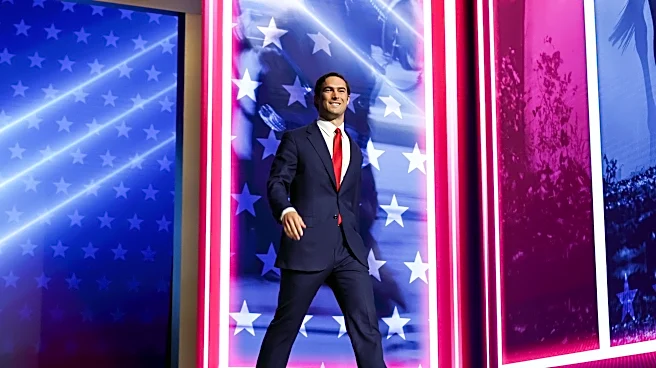
Ashley Moody
In mid-August, incumbent GOP senator from Florida Ashley Moody won the Republican primary in a special election to determine who will finish out the last two years of the term Marco Rubio won in 2022. Moody won the primary with 79.6% of the vote. With a campaign centered around strict border security, as well as federal spending oversight, and a focus on election security, Moody won the backing of the Florida Young Republicans. Moody told Florida Politics that “Our nation is witnessing a powerful awakening among young voters, and I’m proud to have their support in Florida as we fight for the future of this great country.”

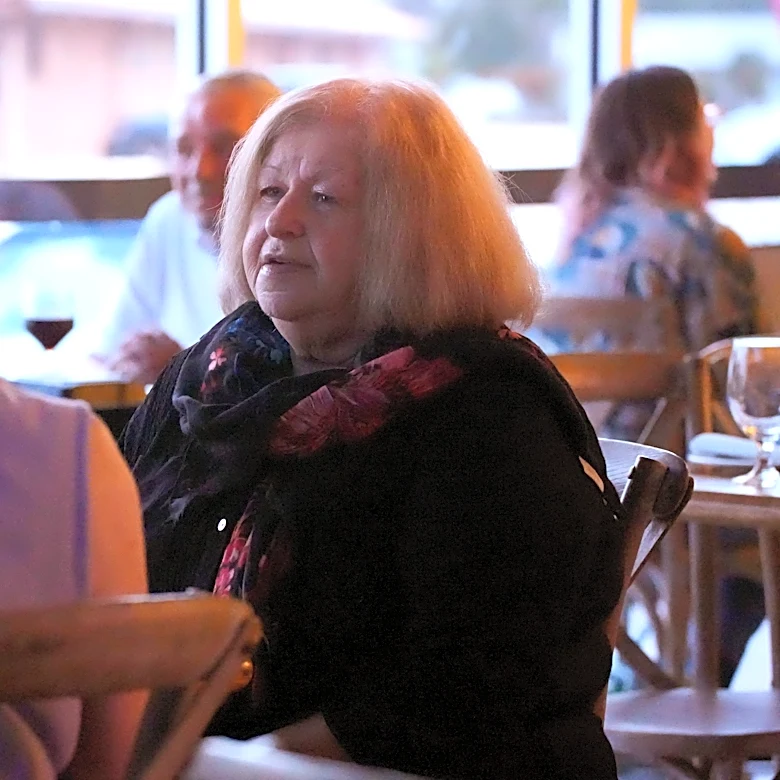
Claire Valdez
In New York, democratic socialist Claire Valdez beat out other opponents by a landslide, earning 56% of the vote to represent the state’s 7th Congressional District. Valdez, an ally of Big Apple Mayor Zohran Mamdani, centered her work in the State Assembly around young people. She co-sponsored bills about student voter empowerment and SNAP benefits to college and high school students, and co-sponsored a bill requiring perinatal providers to go through implicit bias training. The New York Times reported that in her district, “younger registered Democrats turned out at a higher rate than older registered Democrats, a rare occurrence in a primary,” and that in Ridgewood, Valdez won 80% of the vote in neighborhoods where 80% of voters are under 40.
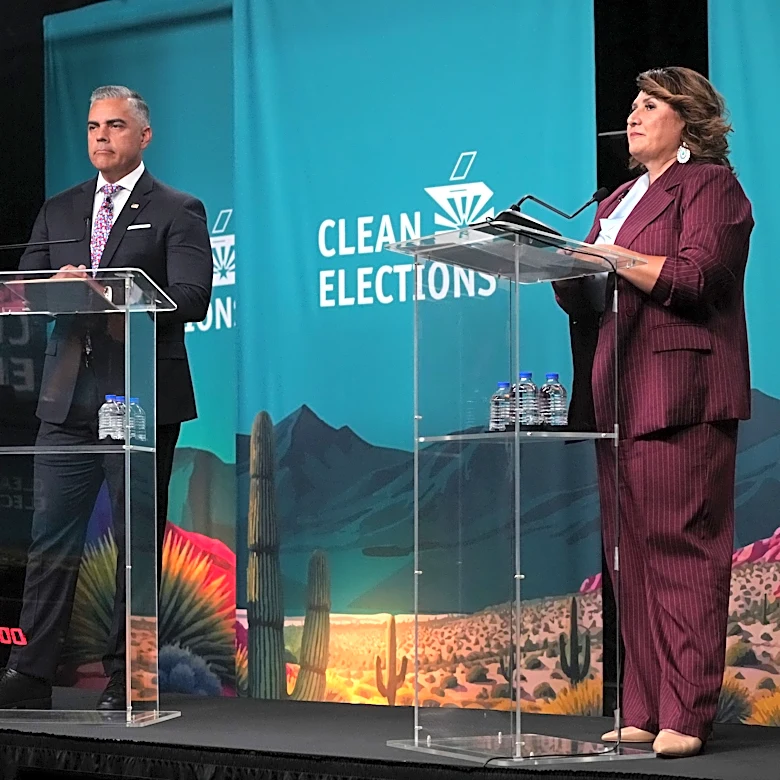
Christian Maxwell
In March, Christian Maxwell won the Republican primary election to run to represent Illinois’s 1st Congressional District. The self-described conservative businesswoman, entrepreneur, marketing strategist and homeschool mom won by a margin of 29 points in an election where the second-highest turnout by age group was with people 25-36 years old. She also appealed to college students on TikTok to volunteer with her campaign. Maxwell, who states on her website her “common-sense conservative values,” told WTTW that “I know firsthand what it means to juggle rising costs, limited opportunity and a system that too often feels disconnected from everyday life. My goal is to be a clear, consistent voice for parents, workers and small business owners who deserve policies that respect their labor, protect their families and create real pathways to stability and upward mobility.”
James Talarico
Also in March, Texas state Rep. James Talarico won the Democratic primary race for the U.S. Senate. Talarico, a devout former Christian seminarian and middle school teacher, leaned heavily on social media to campaign on issues like raising the federal minimum wage and providing universal childcare. With over 4 million followers on Instagram and TikTok, Talarico’s presence on social media enticed young voters, particularly because of his ability to frame politics not as a culture war between two parties, but as a struggle that must be faced through cooperation and togetherness. Newsweek reported in the days leading up to the primary election that “Younger voters are breaking heavily toward Talarico, giving him a sizable advantage among Texans under 30.”

Norah Rose Sachs ('28) is the editor-in-chief of The North Star, the student newspaper at John W. North High School in Riverside, California. She enjoys writing political pieces aimed at young voters. Her favorite food is an omelet.
This article originally appeared on Nashville Tennessean: The midterm primary winners who got Gen Z to the polls | Opinion