
You think that Diego Pavia isn’t walking through that door anymore for Vanderbilt football.
Until he does.
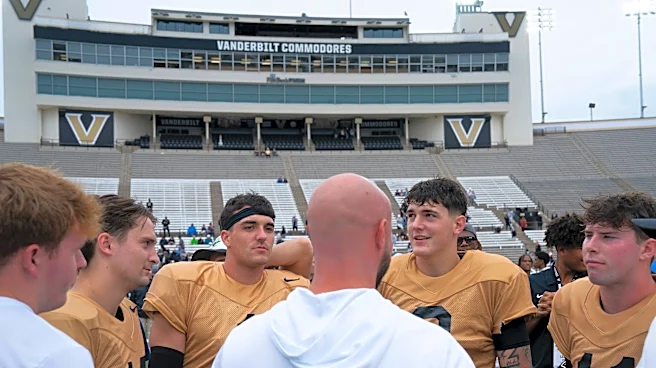
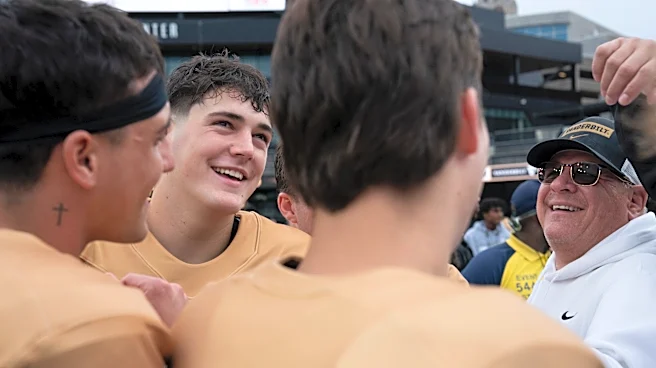
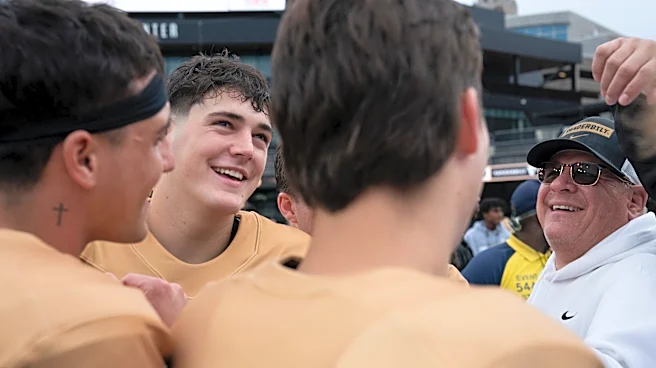
The program’s first preseason practice of the post-Pavia era did, in fact, include Pavia. He was there. Being cut by the NFL’s Baltimore Ravens
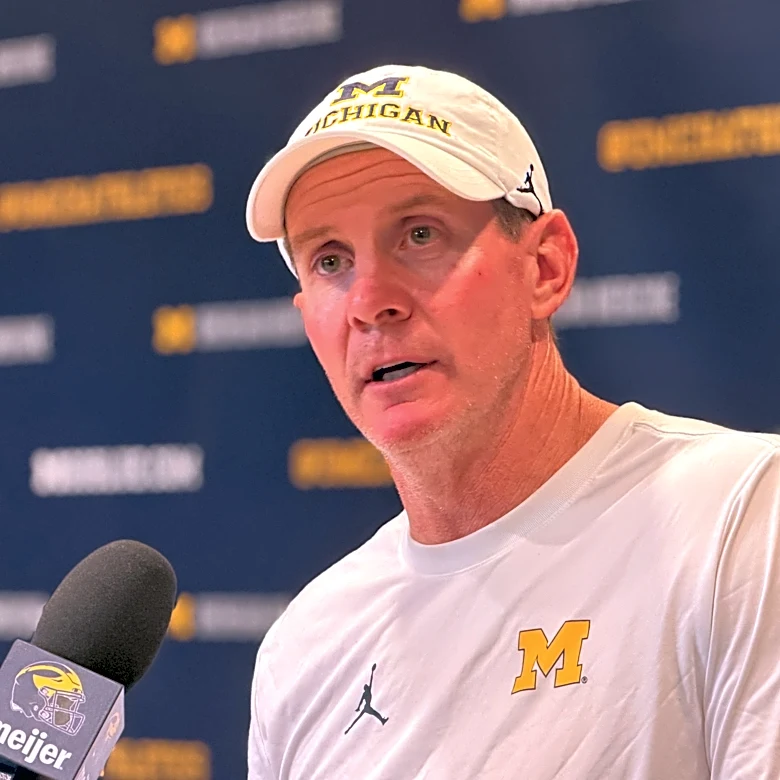
allowed the Commodores’ former quarterback and Heisman Trophy finalist to be on campus alongside former teammates, who were getting down to the urgent business of trying to replace him in 2026.“I still wish he was playing for someone right now,” Vanderbilt offensive coordinator Tim Beck said of Pavia, “and I know he does, too. But it’s exciting for us just to have him back.”
That tall task of figuring out how to replace Pavia falls mostly on Beck.
Vanderbilt coach Clark Lea calls Beck “one of the best
play-callers in the country,” and as Beck enters his third season on Lea’s staff (in a coaching career that started in 1988), it is difficult to argue with Lea's praise.
Beck has proven himself, at least, to be one of the most underrated play-callers in college football.
He's hardly a household name. He was even less of one when Lea brought him to Vanderbilt after the 2023 season. Beck had spent three decades coaching at his alma mater, Division II Pittsburg State (which isn’t in Pittsburgh, but Kansas), followed by a season at TCU and two as the offensive coordinator at New Mexico State.
The SEC clearly had no idea. It does now, though. Vanderbilt has gone 17-9 the past two seasons with Beck (and the indomitable Jerry Kill) commandeering an offense that was outstanding because of Pavia, sure, but also for its fluidity and creativity. In 2025, Vandy’s offense barely resembled what it had been the previous year.
Vanderbilt had the ninth-best offense among FBS teams last season. It averaged 463.1 yards per game, and 38.5 points, too, which ranked eighth-best in scoring offense. These were explosive leaps for a once-plodding offense that’d been 123rd in total offense (and 73rd in scoring) in 2024.
Now, 2024 was a good season for Vanderbilt. It's just that in 2024, Vandy beat Auburn 17-7 while completing nine passes and gaining 227 total yards.
One season later, Vandy beat Auburn 45-38 in a thrilling overtime shootout in which Pavia threw three touchdown passes and accounted for 489 of the Commodores’ 544 offensive yards.
How does that change happen in one year?
“Initially, when we first got here,” Beck explained, “it was a lot like the beginning at New Mexico State. When we didn't feel like we were as talented as everybody else, we felt like it was really important to try to slow the game down as much as possible, and to snap the ball as many times as we can and not have negative plays. There's certain things we could have done that we didn't do just because we didn't want to take chances of losing yards — ever . . .

“As we grew in our offense and had a better understanding of what we could do, and we obviously added some players that could play fast and do some things, it made a difference on what we could do. It really all comes down to your personnel and then just being smart with your personnel.”
Vandy’s year-to-year transformation was especially unique for how it happened with many of the same ingredients: Same quarterback. Same coaches, generally. Many of the same skill-position players. As staggering as Pavia’s passing improvement was in Year 2, it took more than that to win 10 games for the first time in a season at Vanderbilt.
It also reflected an offensive coordinator operating fearlessly and without ego.
What do I mean? In big-time football, coaches often grow attached to their schemes. It makes sense. Their playbook got them this far. It’s what makes them valuable. So like anyone, they’ll clutch that security blanket. They'll force players to adjust and fit the system, rather than bending that system to fit the players.
Beck clearly isn't like that. After his two seasons at Vanderbilt, asking anyone to describe a "Tim Beck offense" is not a simple question.
“I'm not going to have such a big ego that I just say, 'We're going to do this system and this system only,’ ” he said. “We're going to make sure that we feel like we work with what's best with our personnel.”
And so it is with Vanderbilt’s offense again this season.
The shifting identities of the Commodores’ two Pavia teams mean that Vanderbilt has entered a preseason in which no one — friend or foe — can yet decode the identity of an offense yet to settle on hyped freshman Jared Curtis or veteran Blaze Berlowitz at quarterback.
They could do pretty much anything (and they just might). A loaded backfield, led by Sedrick Alexander, suggests these Commodores could lean heavily on the run game and slow down games, like in 2024. But then you look at Curtis’ arm, and it’s not crazy to think they’d show up slinging passes around more in 2026 than they did in 2025.
“What will we do best? We still don't know that yet right now,” Beck said, “but that's our job in the next few weeks to try to get that figured out.”
For a lot of teams, a comment like that from an offensive coordinator might seem unsettling.
At Vanderbilt, after the past couple of seasons, it's kind of intriguing.
Reach Tennessean sports columnist Gentry Estes at gestes@tennessean.com and hang out with him on Bluesky @gentryestes.bsky.social
This article originally appeared on Nashville Tennessean: In Tim Beck, Vanderbilt trusts to keep offense humming without Diego Pavia | Estes