




This story is an installment in The Tennessean's Q&A series On the Issues, where we asked the leading gubernatorial candidates to weigh in on some of the most pressing issues Tennessee’s next governor will face.
Tennessee now has two programs that offer taxpayer-funded scholarships for students to attend private, mostly religious schools: Education Freedom Scholarships and Education Savings Accounts.
Since the beginning of the programs, voucher participants’ academic performance has almost universally trailed their public school peers. Critics have said low academic achievement is a sign the school choice program has failed. An audit of the ESA program revealed critical shortcomings in the program's efficacy, and two years of TCAP data demonstrated
that ESA participants have yet to make significant academic gains.
This year, Republican lawmakers voted to allow voucher students to take any national standardized test to measure their achievement, ending the ability to have an apples-to-apples comparison between voucher participants and their public school peers. Republican proponents of ending testing parity said that parents, not tests, are the ultimate measure of a student’s educational success.
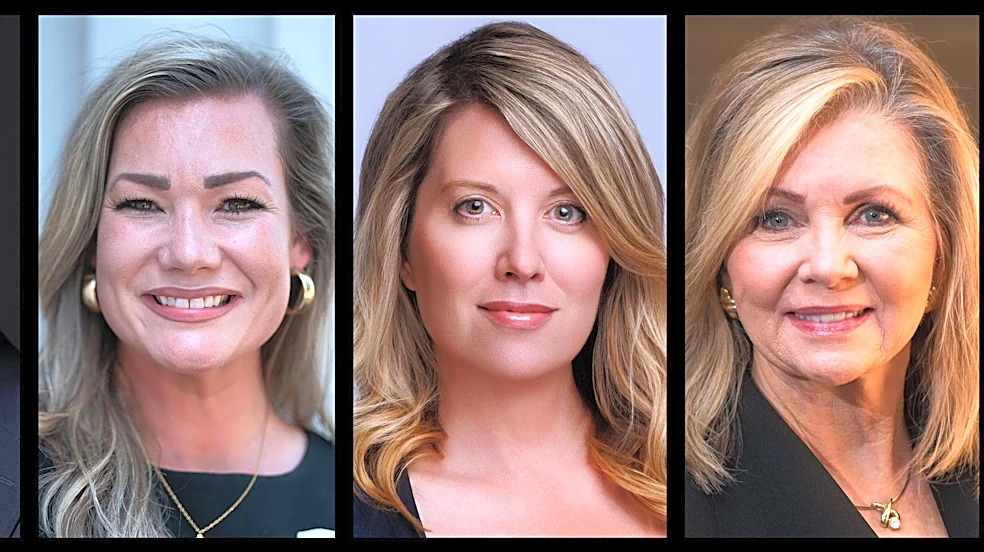
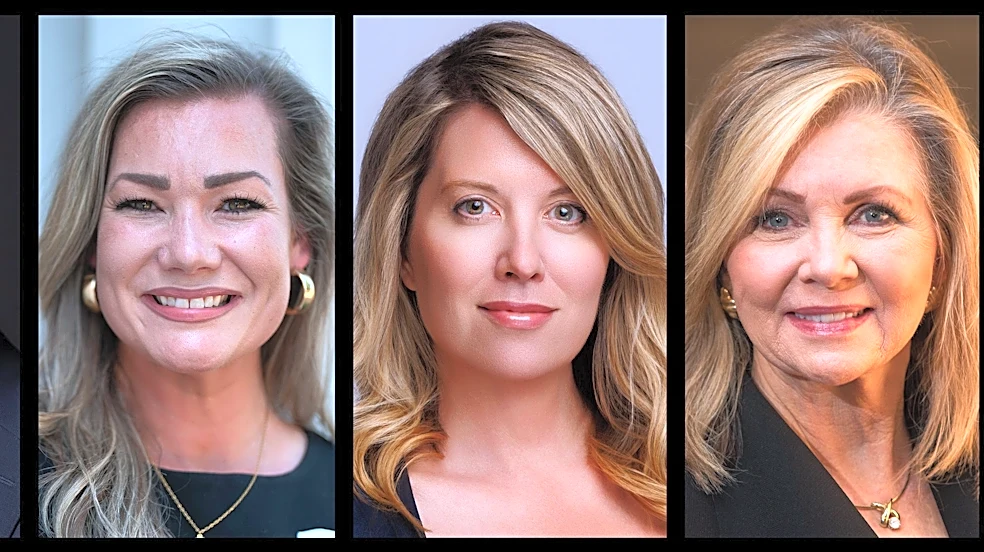
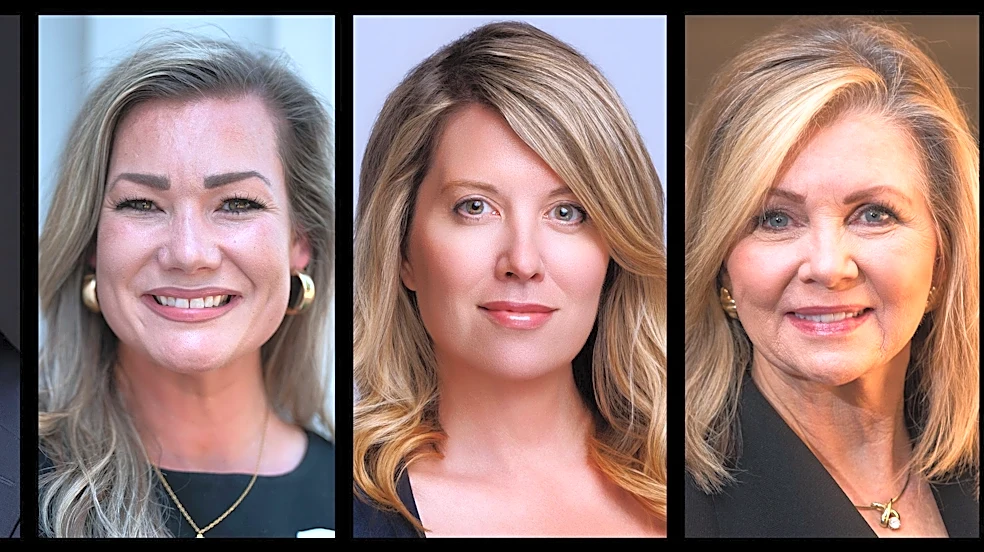
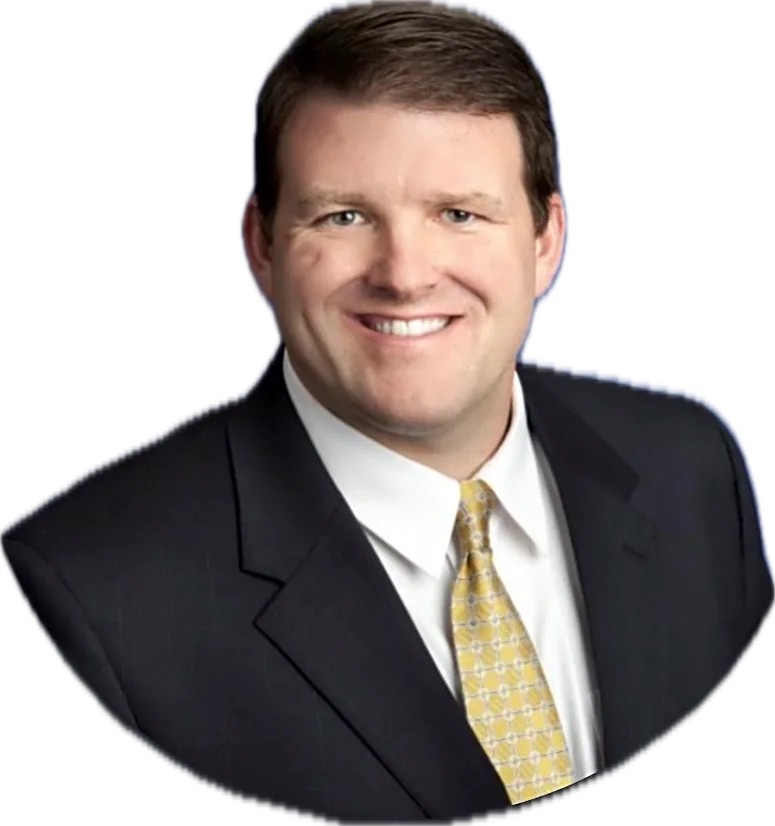
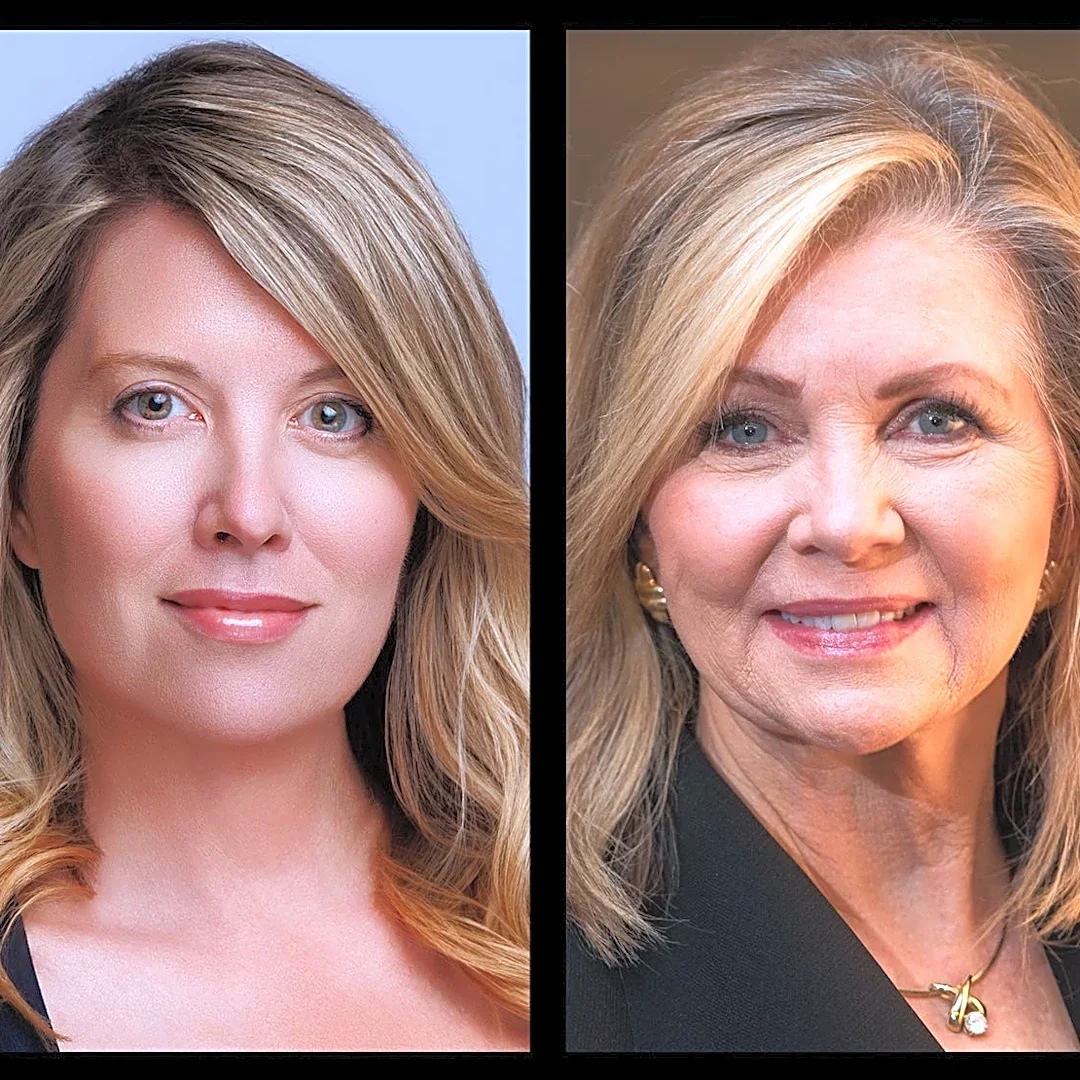
We got responses from all four candidates polling over 1%: Republican nominee U.S. Sen. Marsha Blackburn, Democratic nominee Jerri Green, independent candidate David Hatley and independent candidate Lauren Pinkston.
Here's what each candidate said about the future of private school voucher programs and accountability for them in Tennessee.
All available achievement data shows voucher participants are almost universally performing worse academically than their public school peers. Why are school vouchers a good investment for taxpayers?
BLACKBURN: Education Freedom Scholarships empower parents to give their child an education that best suits their unique needs. As governor, I am committed to expanding this program so that no parent has to win the lottery to send their child to the school of their choice. Within our schools, testing offers important insight into how students are performing, but ultimately, parents, not the government, know their children best.
GREEN: They are not a good investment for taxpayers. They’re pulling public dollars away from public schools, leaving lower-income students out to dry while families who can already afford to put their children in private schools are getting a coupon. This hurts our communities as a whole as most children are going to get their education through public schools. Meanwhile, we are also pulling dollars away from communities who have no private schools and therefore do not have “school choice,” and these schools are often their communities’ largest employers. It’s a bad deal for everyone.
PINKSTON: The school voucher expansion is not a good investment for taxpayers, especially not the way Tennessee runs the program today. The state comptroller found that students in our ESA program score lower than their public school peers, and most of them weren't leaving struggling schools. Instead of fixing that, lawmakers ended the one test that let us compare results. I respect families who choose a private or faith-based school. My four children have been educated in at least seven different school environments depending on their needs, and I agree that Tennessee’s public schools have become too uniform to meet the diverse needs of our state’s families. That’s why I've pushed to cut excessive testing that takes time away from teaching, and called for expanded Montessori, nature and STEAM schools through public school districts across Tennessee. I am not opposed to school choice, I just believe that we should be offering choices through the public school systems. I'd take the money set aside to grow the voucher program and put it into early childhood education, growing 50,000 new day care and preschool slots in my first four years as governor. That helps working parents and gets kids ready for kindergarten while allowing for more dual-incomes paying into our state economy.
HATLEY: Nobody can tell you what taxpayers are getting for it, and that’s the problem. The program went from 5,000 seats to 35,000 in a single year, at more than $7,500 per student. That is over a quarter of a billion dollars a year. I run a business, and you do not expand a program sevenfold before you have seen the first year’s results. I will hold the program at its current size and publish the data: who is receiving the money, where it is going and how those students are performing. Every student enrolled today keeps their seat. Then Tennesseans can decide what comes next.
Do you feel voucher participants should be held to the same accountability standard as their public school peers? If so, should voucher students be required to take the TCAP, as all other publicly funded students are? Or should the TCAP no longer be required for public school students?
GREEN: Yes, but we can avoid this altogether by just fully funding our public schools, which are held to accountability standards. We also need to reform and rethink TCAP altogether to ensure the standards we set offer all students the opportunity to succeed. But we do not need to lower our standards to give certain families and students a handout at the expense of others.
PINKSTON: If a school takes public money, it should answer to the public the same way every other publicly funded school does. To be fair, ESA scores have improved, and in Memphis, voucher students have outperformed their public school peers, but that's exactly why we need a fair, consistent test to know what's working. Most private school families do not want to be tied to a state test, and these vouchers have forced private school administrators into a difficult place with parents begging for the vouchers while rejecting state tests. Voucher students should take the TCAP. It's the only way to make a fair, apples-to-apples comparison between students using vouchers and their peers in public schools. Letting private schools pick from any national test makes the results impossible to compare, and that's not accountability. I don't think we should drop the TCAP for public school students either. One annual state test gives parents and taxpayers a clear picture of how our schools are doing. What I want to cut is the constant benchmark and data tests that eat up instruction time as well as local budgets that should be put into support staff for children with disabilities.
HATLEY: Yes. Voucher students should be held to the same standard as public schools. That being said, the entire testing system of education has major flaws and needs reformed.
Blackburn did not respond.
Is parent satisfaction alone an adequate measure of government oversight for students’ success in a voucher program? If so, should TCAP testing be eliminated for all public school students and replaced with a parent satisfaction survey?
GREEN: No. Of course, every parent wants to be satisfied with their child’s school, but when public taxpayer money is involved, we deserve real, objective accountability and proof that students are actually learning. You cannot simply apply one strict standard to public schools and a totally blank check to private voucher programs.
PINKSTON: No. Parents' views matter, and any good school should listen to them. But satisfaction alone can't tell taxpayers whether a child is learning to read or do math on grade level. Tennessee's own data shows why. The comptroller found more than 95% of families in our ESA program were satisfied, but only 15% of families answered the survey. Over the same period, ESA students scored lower than their public school peers. And when a school keeps falling short, the state should be able to act, not just collect the scores. This isn't about telling private or religious schools what to teach. It's about showing results for public dollars. So no, I wouldn't replace the TCAP with a parent survey for anyone. Every student using public dollars should take the same state test, so we can compare results fairly. Then we should cut the extra benchmark testing that crowds out teaching, and pair that one test with input from parents and teachers. Parents deserve a voice. Taxpayers deserve evidence. A good system gives both.
HATLEY: No. Parents matter, and I’ve proposed a Parents Bill of Rights to prove it. But this is public money. My independent state auditor will be looking at this spending to protect parents from fraudulent programs and bad actors designed to take advantage of them. Wherever there is government spending, we need to be on the lookout for fraud.
Blackburn did not respond.
This article originally appeared on Nashville Tennessean: On the Issues: Tennessee governor candidates on school vouchers