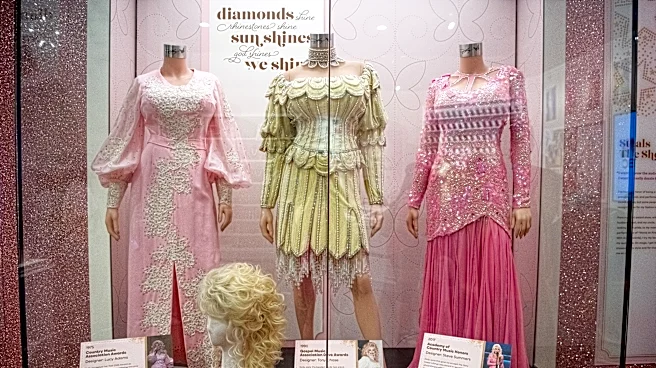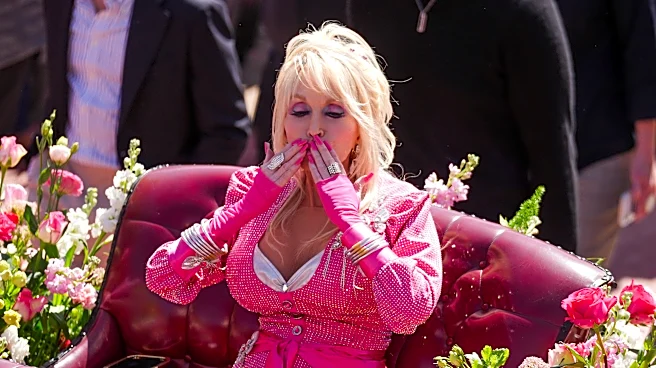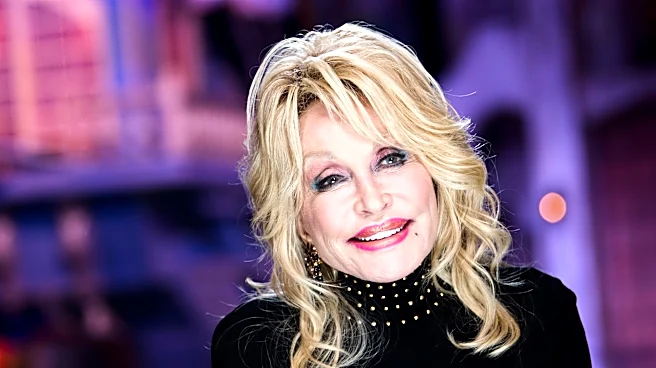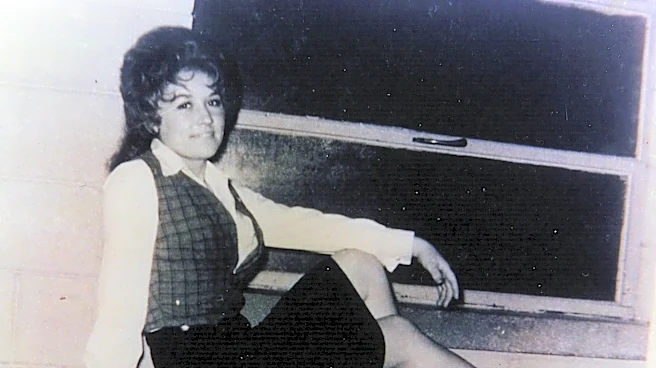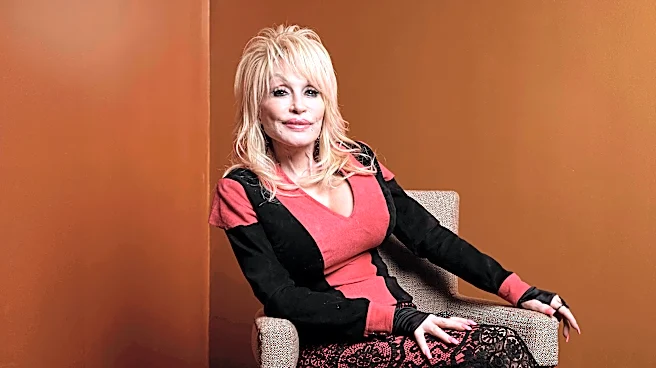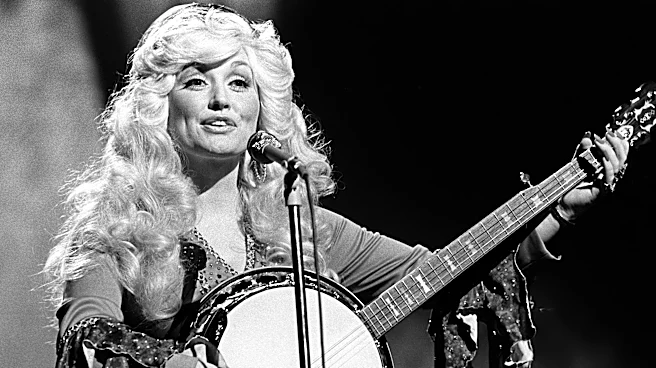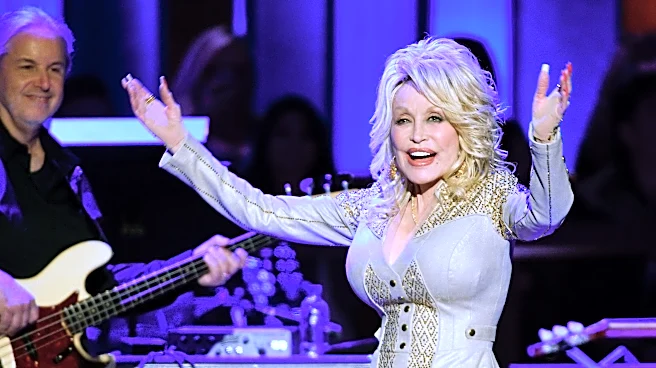

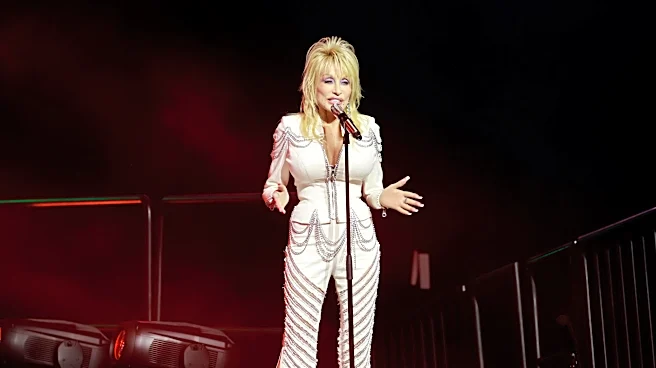
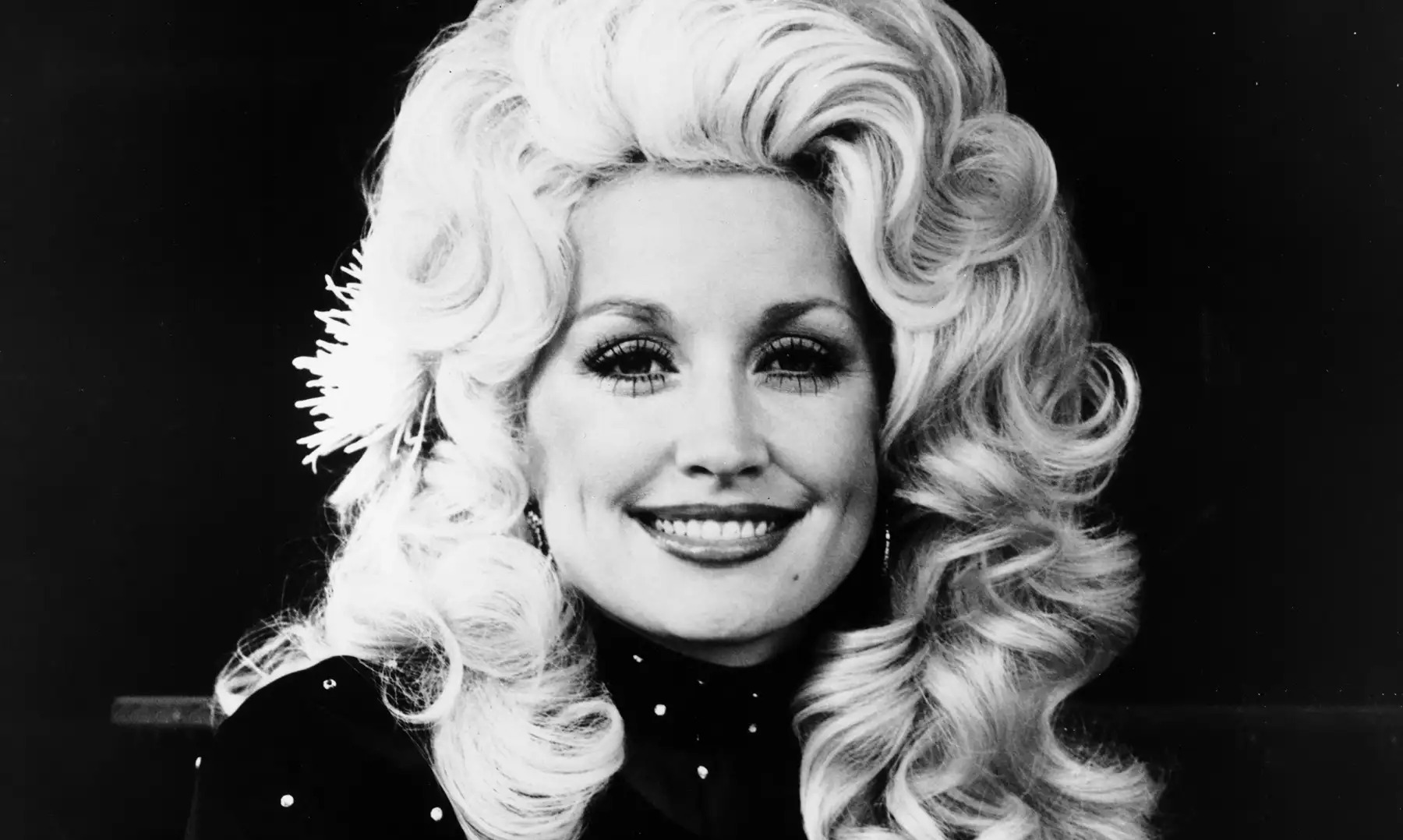
Dolly Rebecca Parton, the girl born in middle-of-nowhere Pittman, Tennessee, the girl who grew into a woman who made an enormous impact in the middle of everywhere as a writer, musician, entrepreneur, actress and philanthropist, died on Aug. 25 at age 80.
Known as the "Queen of Country," Parton's rags-to-riches story began on Jan. 19, 1946, when she was born the fourth of 12 children to stay-at-home mom Avie Lee Caroline and Robert Lee Parton Sr., an illiterate sharecropper and tobacco farmer.
The family lived in a one-bedroom cabin with no electricity deep in the mountains of Locust Ridge, near Sevierville, where Parton would sometimes lay on the grass, stare at the airplanes flying overhead and dream of someday reaching those heights.
She didn't
just reach them. She reached way beyond them.
Her career included 11 Grammy Awards, three Emmy Awards, 50 albums, 44 top 10 albums, 25 No. 1 singles and more than 100 million records sold. Parton's charitable work, though, is just as big, if not a bigger part of her legacy.
'I can't stand to see people hurting'
Her belongings stuffed in four Piggly Wiggly bags, Parton hopped a bus to Nashville to pursue her musical dreams a day after she graduated from Sevier County High School.
But she never abandoned her humble roots.
Parton donated more than $500 million to a variety of causes during her life, with a good chunk of that money going to causes in East Tennessee.
In 2016 she donated $12.5 million to Sevier County families whose homes were destroyed in wildfires.
Eight years later, in conjunction with the Mountain Ways Foundation, Parton donated $1 million to victims of hurricane floods in East Tennessee.
“Many people are hurting right now and I can’t stand to see people hurting. These are special people; they’re my people,” Parton said of the floods. “Everyone here grew up in the mountains just like I did, and I’m heartbroken by what I’ve seen."
Not to mention the $1 million she donated to Vanderbilt to help with COVID-19 vaccine research. Or the millions of books she donated through her Imagination Library.
'Everybody should be treated with respect'
Parton not only put her money where her mouth was or talk the talk. She walked the walk in her support of marginalized groups, including the LGBTQ+ and Black communities.
“I think everybody should be treated with respect," Parton told CNN Money during a 2016 interview pending "bathroom bill" legislation in North Carolina (parts of the bill were later repealed). "I don’t judge people and I try not to get too caught up in the controversy of things ... I hope that everybody gets a chance to be who and what they are. I just know, if I have to pee, I’m gonna pee, wherever it’s got to be.”
She donated royalties from the Whitney Houston version of "I Will Always Love You," a song Parton wrote and recorded in 1973, to help fund an office complex in a predominately Black Nashville neighborhood.
She was outspoken in 2020, when the Black Lives Matter movement came into national focus after the death of George Floyd.
“I understand people having to make themselves known and felt and seen,” Parton saidin an interview with Billboard. “And of course Black lives matter. Do we think our little White asses are the only ones that matter? No!”
Dolly Parton, the dreamer from East Tennessee, the woman who has streets and hospitals and theme parks and hotels named after her, a day in Nashville in her honor, the girl from the middle of nowhere who made it to the middle of somewhere, was born a poor girl and left this world a richer place.
Paul Skrbina is a sports enterprise reporter covering the Predators, Titans, Nashville SC, local colleges and local sports for The Tennessean. Reach him at pskrbina@tennessean.com and on the X platform (formerly known as Twitter) @paulskrbina.
This article originally appeared on Nashville Tennessean: Dolly Parton, the small-town girl with an enormous impact