








Despite bipartisan support in Congress and backing from President Donald Trump, the future of the Sunshine Protection Act remains uncertain.
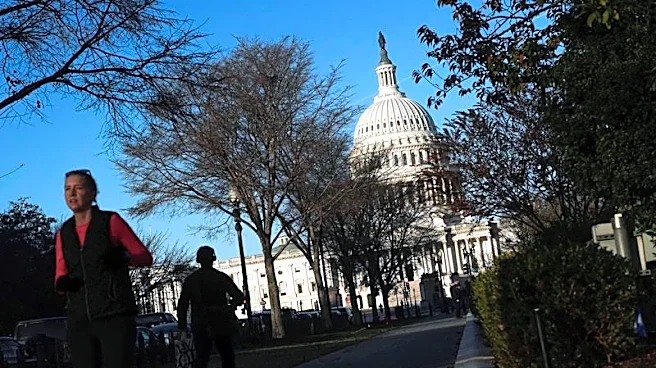
The legislation, which would allow states to observe daylight saving time year-round while giving them the option to opt out, has stalled in Congress. The Senate returned from its five-week recess on Sept. 14 without scheduling a vote on the measure to end the twice-yearly clock changes, USA TODAYreported.
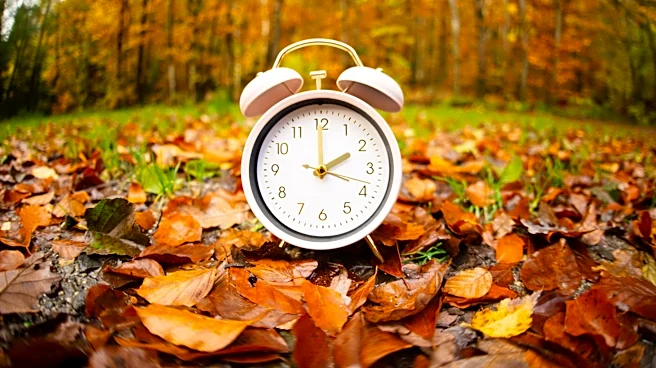
With no action expected before November, Tennesseans and millions of Americans will once again set their clocks back one hour when daylight saving time ends on Sunday, Nov. 1.
Here’s what else to know about daylight saving time and what it means for Tennessee.
What's the latest on the Sunshine Protection Act?
It remains unclear whether the Senate will vote
on the bill.
According to USA TODAY, the Senate returned to Washington on Sept. 14 after a five-week recess, but a vote on the Sunshine Protection Act was not immediately listed on the chamber's agenda.
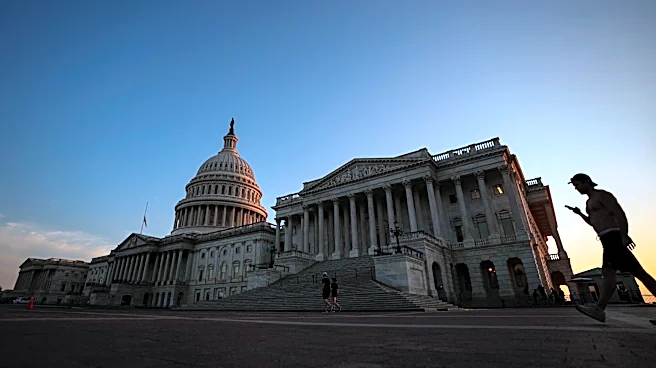
Even with support from Trump and lawmakers in both parties, Senate Majority Leader John Thune has previously questioned whether enough senators support the proposal to move it across the finish line.

Earlier this year, the House of Representatives voted 308-117 to allow states to observe daylight saving time year-round, a move aimed at eliminating the need to change clocks twice a year.
The Sunshine Protection Act would largely end the twice-yearly practice of "springing forward" and "falling back." Daylight saving time currently runs from March to November, when clocks are set ahead one hour to provide more evening daylight during the warmer months before returning to standard time in the fall.
Supporters of the measure, includingTrump, argue that permanent daylight saving time would provide more evening sunlightyear-round. Critics, however, say it could result in darker winter mornings, particularly in northern states.
When does daylight saving time end in 2026? Will Tennesseans continue to 'fall back'?
Daylight saving time ends at 2 a.m. local time on Sunday, Nov. 1, when clocks are turned back one hour.
The Sunshine Protection Act passed the House with bipartisan support earlier this summer. However, the measure still must clear the Senate and be signed by Trump before it can become law.
With Congress yet to act and Nov. 1 approaching, the window for passing the legislation before the time change is rapidly closing, meaning Tennesseans and the rest of the country remain on track to "fall back" this fall.
What permanent daylight saving time means for Tennessee
While states would have the option to opt-out of the Sunshine Protection Act, Tennessee already has plans to opt-in to the bill.
In 2019, Governor Bill Lee signed a trigger law that would enact permanent daylight saving time in Tennessee dependent on federal approval from Congress.
If the Sunshine Protection Act is approved by the Senate and signed by Trump before November, Tennessee's 2019 trigger law would take effect Nov. 1.
Certification from the Tennessee General Assembly would also be needed to opt-in to the Sunshine Protection Act.
Tennessee is already on daylight saving time from the beginning of March to the beginning of November. Permanent daylight saving time would only change times for about four months out of the year.
Nashville, Middle Tennessee sunrises and sunsets under permanent daylight saving time
Tennessee is one of the 14 states that is split between two time zones. The majority of the state, including cities like Nashville, Memphis and Clarksville, fall in Central time.
In Nashville, permanent daylight saving time would push winter sunrises to nearly 8 a.m. on the shortest days of the year, while extending sunsets to about 5:35 p.m. Similar shifts would occur across Middle Tennessee, giving residents more evening daylight but darker morning commutes.
Using the winter solstice, Dec. 21, as an example, here's how sunrise and sunset times would look across major Middle Tennessee cities if daylight saving time were observed year-round.
Nashville
- Current sunrise, sunset: 6:54 a.m. / 4:36 p.m.
- Under permanent daylight saving time: 7:54 a.m. / 5:36 p.m.
Clarksville
- Current sunrise, sunset: 6:57 a.m. / 4:37 p.m.
- Under permanent daylight saving time: 7:57 a.m. / 5:37 p.m.
Murfreesboro
- Current sunrise, sunset: 6:51 a.m. / 4:35 p.m.
- Under permanent daylight saving time: 7:51 a.m. / 5:35 p.m.
Franklin
- Current sunrise, sunset: 6:54 a.m. / 4:37 p.m.
- Under permanent daylight saving time: 7:54 a.m. / 5:37 p.m.
Columbia
- Current sunrise, sunset: 6:53 a.m. / 4:38 p.m.
- Under permanent daylight saving time: 7:53 a.m. / 5:38 p.m.
Cookeville
- Current sunrise, sunset: 6:49 a.m. / 4:31 p.m.
- Under permanent daylight saving time: 7:49 a.m. / 5:31 p.m.
What are the arguments for permanent daylight saving time?
Under permanent daylight saving time, sunsets would occur later during much of the year, giving people additional daylight for recreation, shopping, sports and outdoor activities. Supporters also argue ending clock changes could reduce the disruptions many people experience when adjusting to a new sleep schedule each spring and fall.
The biggest concern is winter mornings, specifically in the North.
Critics note that under permanent daylight saving time, the sun would rise significantly later during the shortest days of the year.
In portions of Pennsylvania, New Jersey and other northern states, sunrise could occur after 8 a.m. on some winter mornings. Opponents say that could leave students waiting for school buses and commuters traveling to work in darkness.
What has Trump said about permanent daylight saving time?
Trump has been a vocal supporter of making daylight saving time permanent. Most recently, he reiterated his support in an Aug. 4 post on social media.
"People are sick and tired of having to change their clocks twice a year. It is foolish, inconvenient and, in some cases, very costly," he wrote on Truth Social. "For cities and states with watchtowers, and hard to reach places, it costs millions of dollars."
Trump said a "vast Majority of Americans have asked to make Daylight Saving Time permanent" for many years, but "no administration has been able to get it done, until now."
"I am proud to announce that the House of Representatives has passed the bill, and it has now gone to the Senate for final approval," he added.

Trump, in his post, argued the twice-yearly change in clocks is "also bad for your health in the anxiety it creates."
Trump added that the matter is one that Republicans, Democrats and Independents all "can unite behind," and especially asked GOP senators to "release their holds, and allow the hotline to clear on the Republican side."
"In other words, leave it as it is now, and never change again," Trump said. "LET’S PASS THE SUNSHINE PROTECTION ACT, ASAP."
Contributing: USA TODAY, Afton Pratt
Diana Leyva covers trending news and service journalism for The Tennessean. Contact her at Dleyva@gannett.com.
This article originally appeared on Nashville Tennessean: Do clocks still fall back in 2026? Latest on daylight saving time changes