








State lawmakers are once again considering whether Tennessee should implement a medical marijuana program, a topic that has been debated in the legislature for more than a decade.
The Tennessee Senate Judiciary Committee's Sept. 30 hearing was the first in a series of legislative discussions on a proposed medical marijuana program for Tennessee.
During the initial hearing, lawmakers spent nearly six hours reviewing and debating a 99-page proposal developed by the Tennessee Medical Cannabis Commission that aims to establish a highly regulated medical marijuana program in the state.
Tennessee currently does not have a medical marijuana program. The state effectively eliminated much of the marijuana and hemp-derived market when it banned THCA products
on July 1.
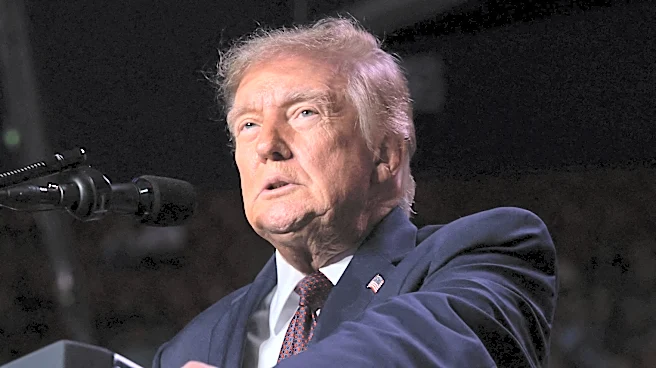
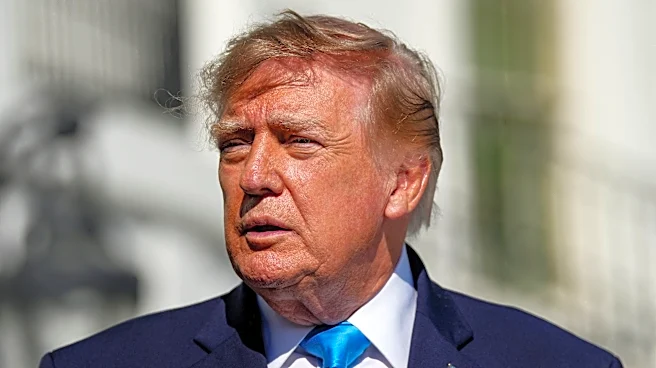
The hearing comes several months after the Drug Enforcement Agency (DEA) began a series of hearings on June 29 to consider rescheduling marijuana from a Schedule I to Schedule III drug, followingPresident Donald Trump's December 2025 executive order.
At this point, marijuana bills in the Tennessee legislature may seem like a nonstarter. So, how does the latest proposal differ from the previous attempts to legalize medical marijuana?
What is the new 99-page medical marijuana proposal?
The 99-page medical marijuana framework proposed to the committee would create a tightly regulated cannabis program rather than a broad legalization measure.
The proposal places medical marijuana under the Tennessee Department of Health and establishes a licensing system for cultivators, processors, dispensaries and testing laboratories. Patients would also have to obtain a prescription from a physician authorized to prescribe controlled substances.
One of the proposal's most notable stipulations is that patients would not be allowed to purchase marijuana flower or smoke cannabis. Permitted marijuana products would include capsules, tablets, tinctures, oils, creams and other forms of cannabis products.
Under the proposal, those with the following illnesses could qualify for a medical marijuana prescription:
- Alzheimer's disease
- ALS
- Certain cancers
- Crohn's disease and ulcerative colitis
- Epilepsy and seizure disorders
- Multiple sclerosis
- Parkinson's disease
- HIV/AIDS
- Sickle cell disease
Have there been other medical marijuana proposals before the Tennessee legislature?
Since the creation of the Tennessee Medical Cannabis Commission in 2021, lawmakers have introduced several versions of the "Tennessee Medical Cannabis Act."
Unlike the 99-page proposal, which proposes a narrow and highly regulated framework, recent versions of the act allowed broader patient access and home cultivation. The previous bills, specifically SB 1461 and SB 849, featured a longer list of qualifying illnesses, a wider variety of permitted THC products and allowed patients to possess 2.5 ounces of cannabis.
Tennessee Republicans also passed legislation in April 2026 preventing federal marijuana rescheduling from automatically triggering a state review, effectively making it even more difficult for cannabis laws to change.
Democratic lawmakers have also introduced several pieces of legislation over the years to legalize the growing and statewide sale of marijuana. Those proposals have all failed to advance.
What is Tennessee's current medical marijuana program?
Tennessee currently does not have a full medical marijuana program. Qualified patients are allowed limited possession, provided the product contains less than 0.9% THC, according to Tennessee state law.
Marijuana (Cannabis sativa) is illegal in Tennessee, and the possession of a half-ounce of marijuana or less is a misdemeanor punishable by up to one year in jail and a maximum fine of $2,500.
Selling more than a half-ounce of marijuana or cultivating is a felony in Tennessee.
Before Tennessee House Bill 1376 passed during the 2026 General Assembly, intoxicating variants of hemp with more than 0.3% THC, such as THCA, Delta-9, Delta-8 and Delta-10, were legal. After July 1, that is no longer the case.
Tennessee is one of nine states that has not legalized cannabis for any purpose. According to the Marijuana Herald, those states include:
- Kansas
- Indiana
- Iowa
- North Carolina
- South Carolina
- Wisconsin
- Wyoming
- Idaho
Is marijuana a Schedule I drug?

Trump signed an executive order on Dec. 18, 2025, that directed the rescheduling of marijuana from a Schedule I to Schedule III substance. Months later, a formal DEA hearing began on June 29 to consider the reclassification.
The order is still under review, so marijuana remains a Schedule I substance, which the DEA defines as a drug with no currently accepted medical use and a high potential for abuse.
If the DEA signs off on the proposed rescheduling, marijuana will not become legal on a state or federal level.
The rescheduling of marijuana does not legalize it. Rather, it changes how the government can regulate it based on the substance's medical use, potential for abuse and safety or dependence liability, according to the DEA.
Peter Burditt covers trending news and service journalism for The Tennessean. Contact him at PBurditt@nashvill.gannett.com.
This article originally appeared on Nashville Tennessean: Another medical marijuana proposal reaches the Tennessee Senate. What's different this time?