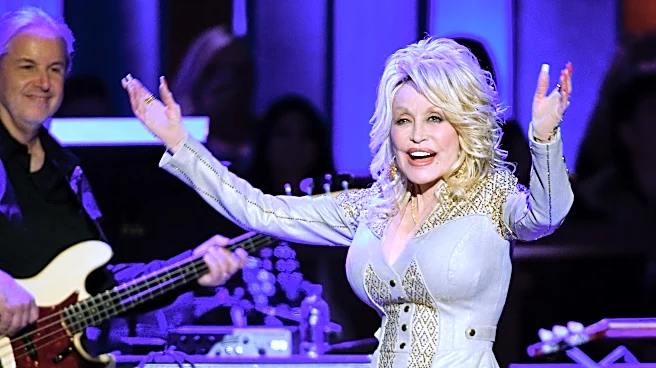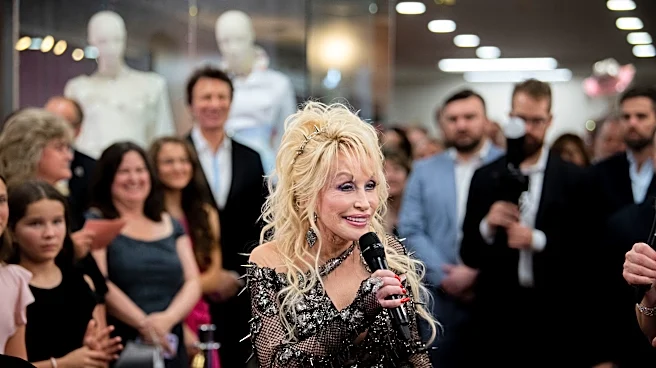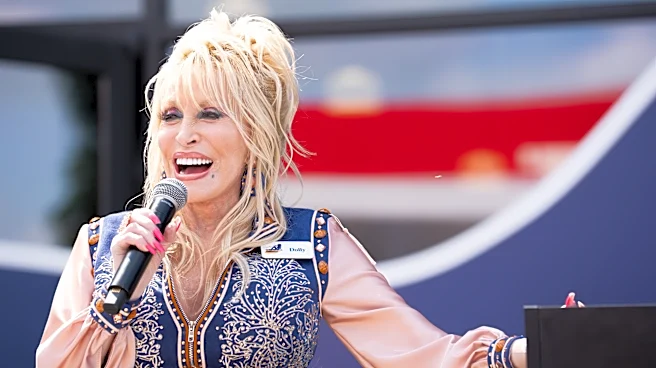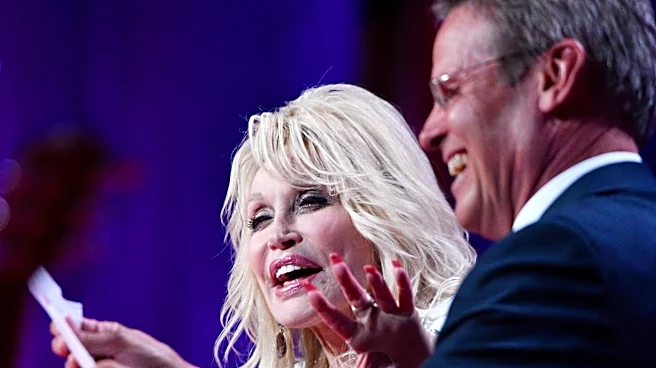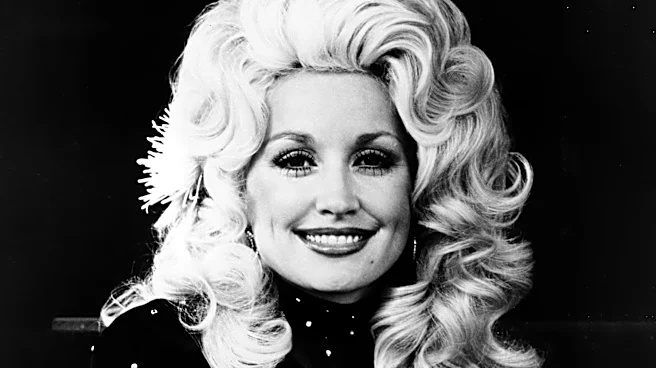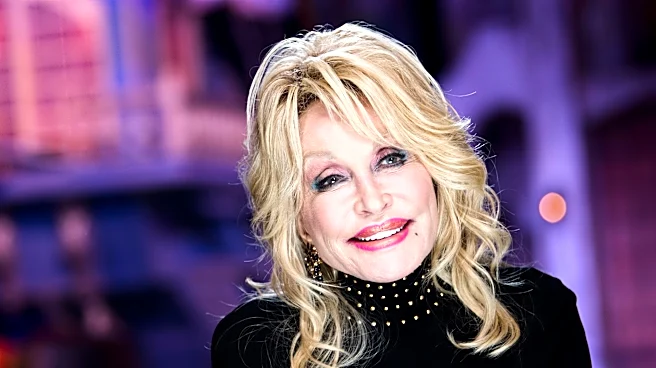





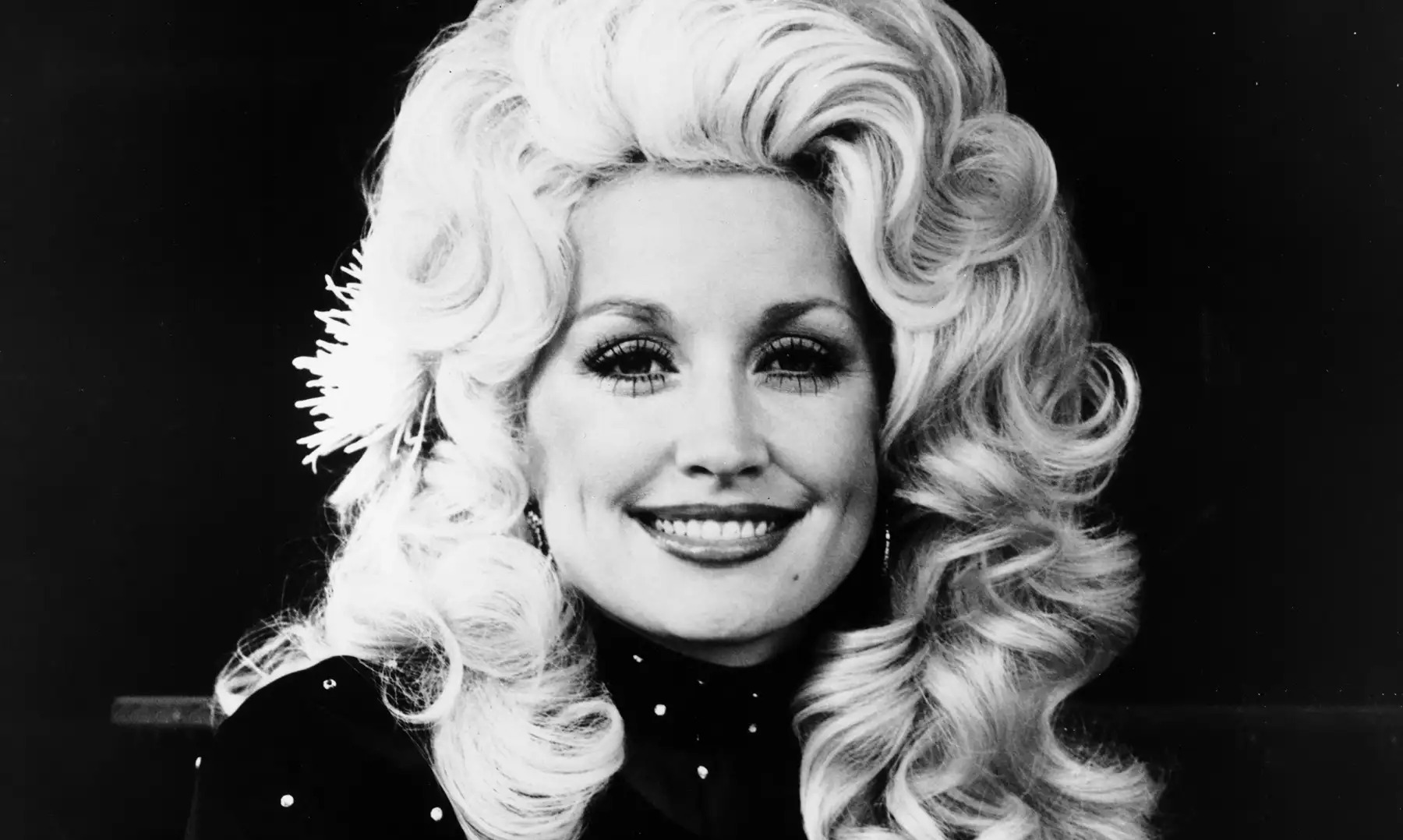
Icon, "Queen of Country," singer-songwriter, actress and embodiment of the American dream.
Descriptions too meager to describe Dolly Parton, who died in Nashville on Tuesday. She was 80.
Paragon is more fitting because she embodied humanity, literacy, radical love and song. She would probably say that love shouldn’t have to be radical, that it just is.
By the very way she lived, she offered us a template on how we ought to live in this vast and diverse society, showing what we should aspire to become.
The odes and recollections we’ll see in the coming days should rightly reflect those sentiments. But the one Parton impact that needs more discussion is how she appealed not only to country fans but also to those from marginalized groups.
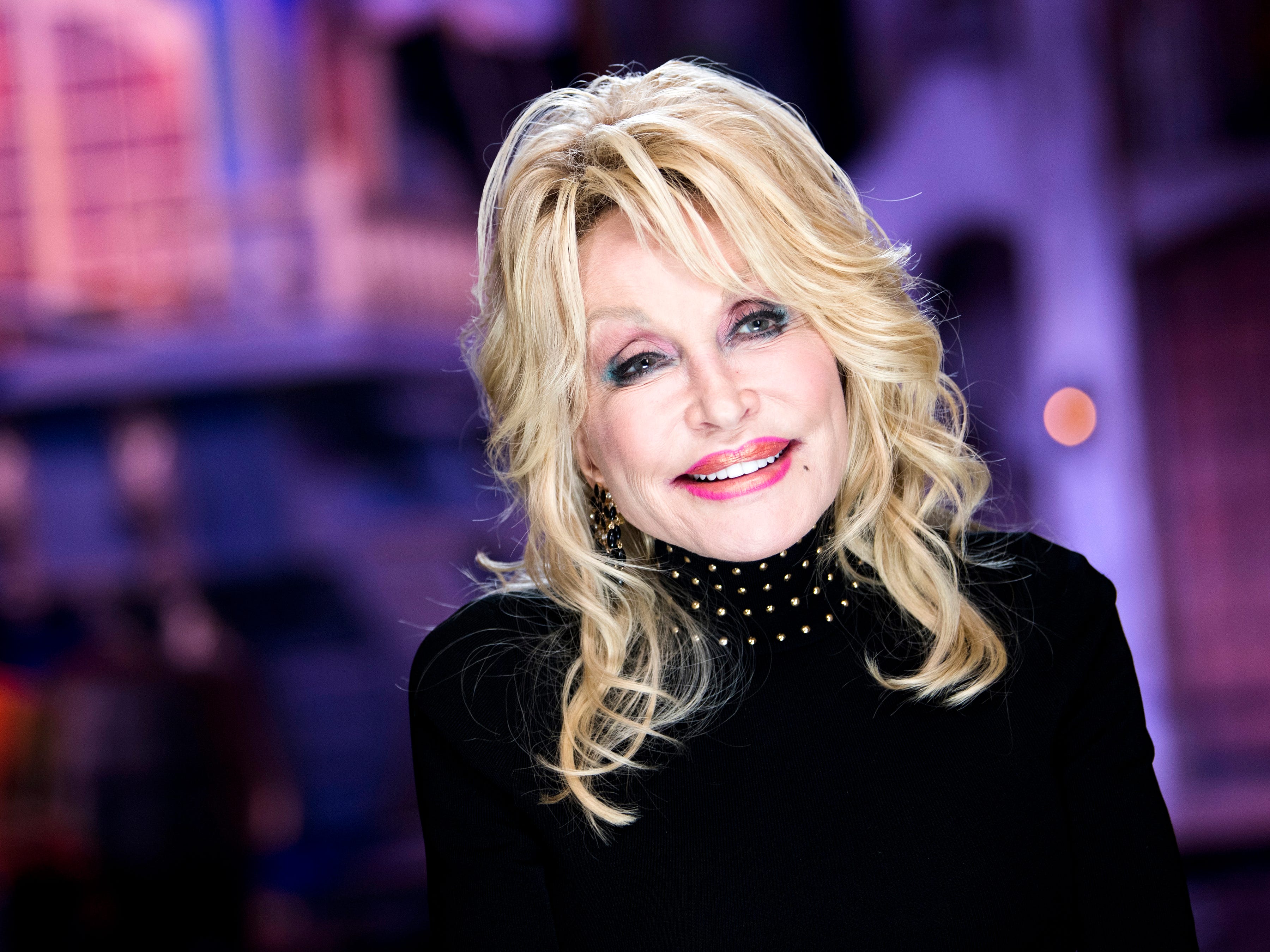
Why Parton appealed to so many
In case you
didn’t know, Dolly always had an invite to the cookout – a golden pass, if you will.
The phrase is tired and overused, but we employ it for non-Black folks who exhibit an affinity for our community and causes. The sterling quality all “cookout invitees” have is the ability to see the humanity in others. They come across as authentic. Keanu Reeves has been invited and some would say, Michael McDonald should be too, because he just sings like he’s Black.

A public example of allyship
Throughout her life, Parton has used her platform to support marginalized groups, including using the royalties earned from her song "I Will Always Love You," which Whitney Houston covered, to build an office complex in predominantly Black North Nashville.
During the nationwide protests after George Floyd's murder, she advocated for the Black Lives Matter movement.
“I understand people having to make themselves known and felt and seen,” she said. “And of course Black lives matter. Do we think our little White asses are the only ones that matter? No!”
Parton defined allyship by using her privilege and position to advocate for the underrepresented and the marginalized.
What state lawmakers can learn from Dolly
Her life should be instructive to our state leadership as well, especially those aligned with Christian nationalism, where being a Christian is contingent on your racial or religious identity and citizenship status.
As a fellow Christian, I am in no position to question another’s faith. Yet, I fail to reconcile how people who wear a cross and claim Christian can be so wantonly exclusionary. If you’re not with them, you’re against them and somehow less than.
Recently, five Tennessee school districts announced plans to display the Ten Commandments in their schools alongside the Bill of Rights, Declaration of Independence, Tennessee Constitution and the U.S. Constitution.
The Republican lawmakers who sponsored the bill to allow the Ten Commandments to be displayed argue that God is mentioned in the Declaration and Pledge of Allegiance and should be included as a foundational U.S. document, irrespective of students of other faiths who are residents.
They argue that Tennessee and the nation must embrace their heritage, which they say is rooted in Jesus, the Bible and Christianity.
They endorse bills intended to detain and disenfranchise immigrants, without consideration of more humane policies. They seek to marginalize LGBTQ+ groups by endorsing legislation that restricts marriage recognition, symbolic commemorations and rollbacks of discrimination protections.
They espouse biblical virtues on one hand and weaponize the word like a hammer with the other.
I bet Parton would disapprove, particularly given her criticism of those Christians who are hostile toward members of the LGBTQ+ community.
“If you’re the fine Christian that you think you are, why are you judging people? That’s God’s job,”she once said. “We’re not God, we’re not judges, we’re supposed to love one another, we’re supposed to not judge.”
That kind of love ought not be considered so radical.

We lost a compass
When the news of her passing broke, I got a call from my mother who wanted to know whether it was true. After informing my wife and children, they shared their grief in our group chat.
If I could summarize their responses, it would be this: “Noooooooooooooo.”
As the saying goes in many Black communities, "We’re losing recipes.”
It means that when we lose someone or something, whose presence felt foundational to our existence, it leaves a void. It’s the recognition that a particular loss transcends the physical.
Yes, we have lost something more with Dolly leaving us.
Gone is a vital template, one of our most visible allies who modeled red-letter Christianity, who exhibited the kind of patriotism rooted in compassion and inclusion. The ground beneath our feet has shifted.
And we're all worse off.

Tacuma R. Roeback is The Tennessean’s community engagement and opinion editor. Reach him at troeback@gannett.com or follow him on X, Bluesky or LinkedIn.
This article originally appeared on Nashville Tennessean: Dolly Parton was always invited to the cookout | Opinion