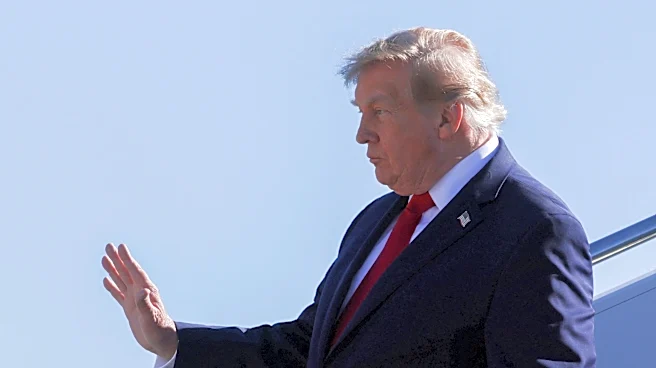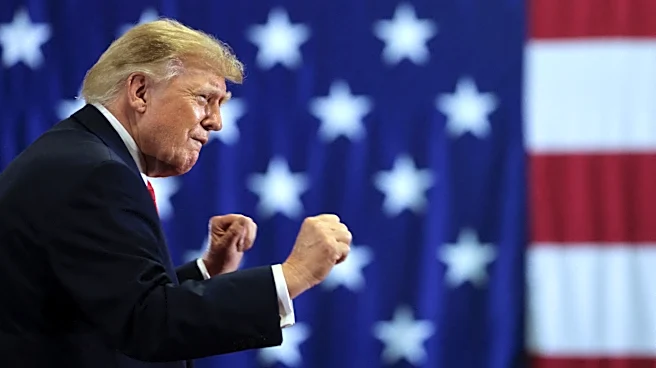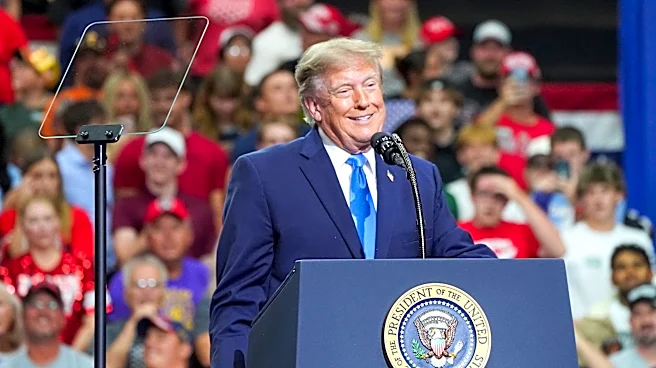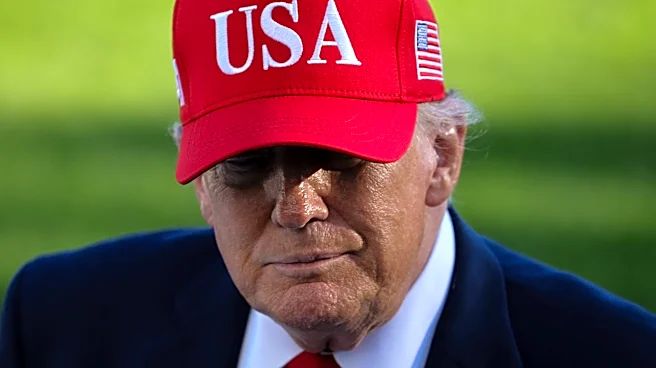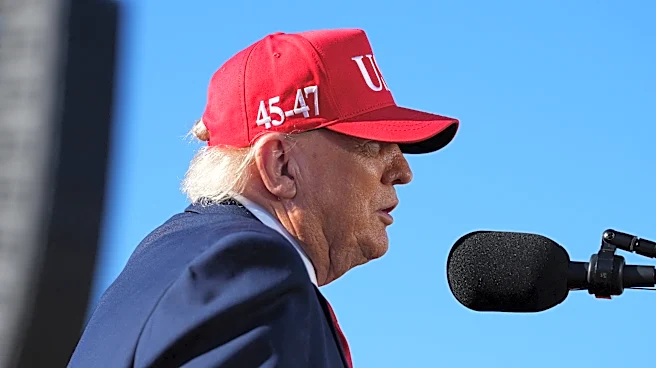





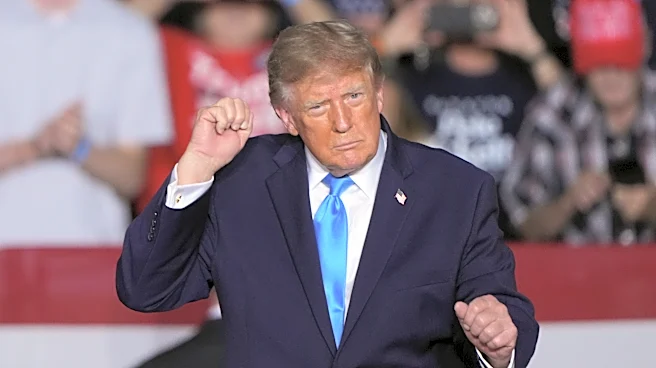

President Donald Trump's scheduled visit to Clarksville this Saturday could resemble his other stops: Culture wars get the headlines, while the pressing needs of everyday voters receive only lip service.
What deserves more attention is how political leaders at the federal, state and local levels plan to help Tennesseans live in an economy where wages have stagnated and living expenses continue to rise.
Yet whether it's the president or other Republican leaders, the rhetoric is often framed as us versus them, with socialists cast as an existential threat similar to Ronald Reagan's "Bear in the Woods" campaign metaphor.
"The Volunteer State is Trump country, and it's an honor to welcome the president back to Tennessee. We're up against socialists
who hate our country, our state, and the very principles that define the American dream," declared U.S. Sen. Marsha Blackburn, the Republican nominee for governor.
Sure, there's a reason for the rhetoric and for Trump to visit Tennessee for the second time in a matter of weeks. In the eyes of state Republicans, key races, including the governor's contest and those in the 5th, 7th and 9th congressional districts, appear closer than expected.
Whether Tennessee Republicans' push to redraw congressional maps will bear fruit remains to be seen on Nov. 3.
That's often the sport of politics, portraying the opposing party as a threat to motivate voters. It's how Vanderbilt fans talk about Tennessee fans and vice versa.

Tennessee's real crisis is the cost of living, not socialism
But Tennessee voters can't fill up on culture-war rhetoric about enemies, socialists, communists, radicals and immigrants when the true threats to their financial well-being are much closer to home. They're at the gas pump, grocery store checkout, pharmacy counter and utility office.
The prices of eggs, bacon, gasoline and housing are more direct determinants of quality of life, and having more disposable income goes a long way toward easing affordability concerns.
Touting existential threats beyond Tennessee's borders, whether China or California, means little when hundreds of thousands of residents struggle to put food on the table.
Those issues matter more. Even ardent Trump supporters who toe the party line and talk endlessly about socialists and other political bogeymen should pay closer attention to the daily cost-of-living issues that affect all of us, red and blue alike.
Tennessee food insecurity is rising, even among working families
More than a third of Tennessee families reported being food insecure, meaning they lacked consistent access to enough food, according to a May Vanderbilt Child Health poll.
As 2027 approaches, those numbers are expected to increase because of President Trump's One Big Beautiful Bill, which cut funding for the Supplemental Nutrition Assistance Program, or SNAP. Every Republican in Tennessee's congressional delegation, along with Blackburn, voted for the measure. U.S. Rep. Matt Van Epps has said he would have supported it had he been in office.
Approximately 90,000 fewer Tennesseans receive food assistance today than a year ago. More than 610,000 residents still rely on those benefits, and that number is expected to decline further.
Thanks to tougher eligibility requirements included in the legislation, some of the state's most vulnerable residents could lose benefits if they fail to meet work requirements, including veterans, people experiencing homelessness and young adults aging out of foster care.
But uncertainty about access to safe, nutritious food isn't just a lower-income problem. It's increasingly a middle-class one as well.
A Saturday spent volunteering at a mobile food pantry reveals a harsh truth about hunger in Tennessee: People seeking assistance also arrive in late-model vehicles. They work in the service industry, the skilled trades and white-collar professions that require a college degree.
Second Harvest Food Bank of Northeast Tennessee reported that 58% of food-insecure Tennesseans earn more than 185% of the federal poverty level, caught between not earning enough to afford food and earning too much to qualify for government assistance.
That means food insecurity is increasingly affecting households of four earning $61,000 or more.

Trump promised lower prices. Tennessee voters are still waiting
Affordability was a central talking point for Trump during the 2024 campaign.
One appearance stands out. In August 2024, he stood in front of the clubhouse at his Bedminster, New Jersey, golf course with grocery items arranged on tables, including cereal, sausage, croissants, bread, fruit and coffee. He blamed rising prices on former President Joe Biden.
At the event, Trump called it "Kamala's inflation nightmare" and described a frustration that still feels familiar to many Tennesseans today.
"Bacon is through the roof, they're all through the roof. Milk, everything is bad."
Months before winning the election, he promised: "We're gonna straighten it out, we're gonna bring prices way down."
It's unfair to blame the price of eggs on any sitting president. Still, it is worth noting that egg prices have declined during Trump's presidency, largely because domestic supplies recovered after avian flu outbreaks reduced production.
As Trump's Clarksville appearance approaches, Tennesseans deserve a clearer answer about how costs will come down, not only from the president but also from the candidates asking for their votes.

Tacuma R. Roeback is The Tennessean’s community engagement and opinion editor. Reach him at troeback@gannett.com or follow him onX,Bluesky orLinkedIn.
This article originally appeared on Nashville Tennessean: Tennessee's real crisis isn't socialism. It's cost of living | Opinion