





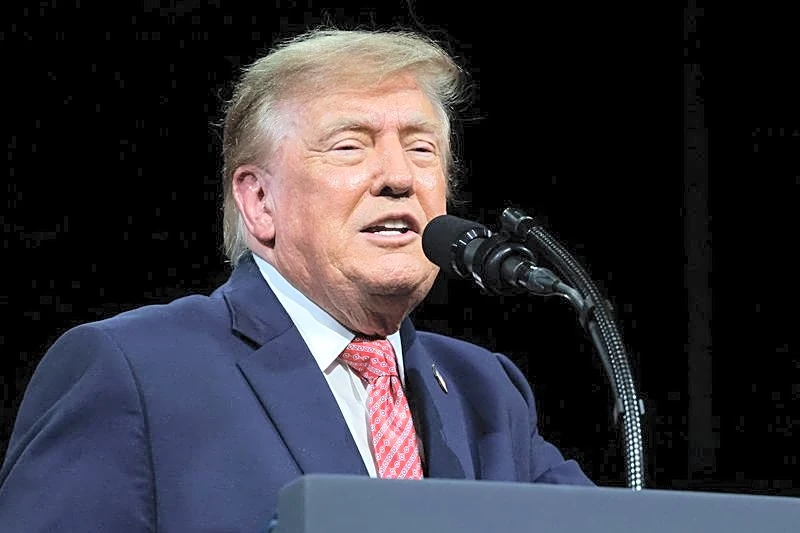


Nearly 30 days after President Donald Trump eased tariffs on up to 300,000 metric tons of imported beef, a new analysis has found that the policy is causing substantial losses for U.S. cattle producers while delivering little savings to consumers.
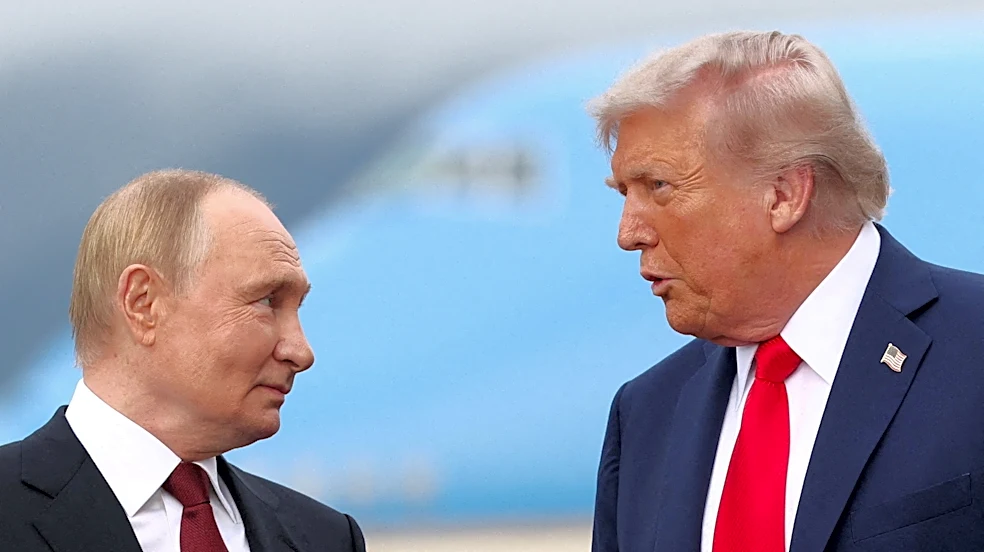
Trump announced on Truth Social on Aug. 21 that he had reached a deal with foreign beef exporters to sell their product at a 25% discount in exchange for relief from U.S. out-of-quota tariffs on foreign beef.
Domestic beef producers and cattle organizations criticized the move, saying it could hurt beef producers and undermine efforts to rebuild America's herd. The Tennessee Farm Bureau (TFB), the state's largest farm advocacy organization, agreed, calling Trump's action a "short-term" response to a "long-term"
challenge.
According to the analysis conducted by Farm Action, a nonpartisan, nonprofit, farmer-led watchdog organization, the concerns raised by cattle producers have materialized.
Farm Action's analysis reports that "American cattle producers have suffered substantial economic losses" and "consumers have seen little relief at the grocery store" under Trump's beef import initiative.
Why are beef producers upset with President Trump's deal?
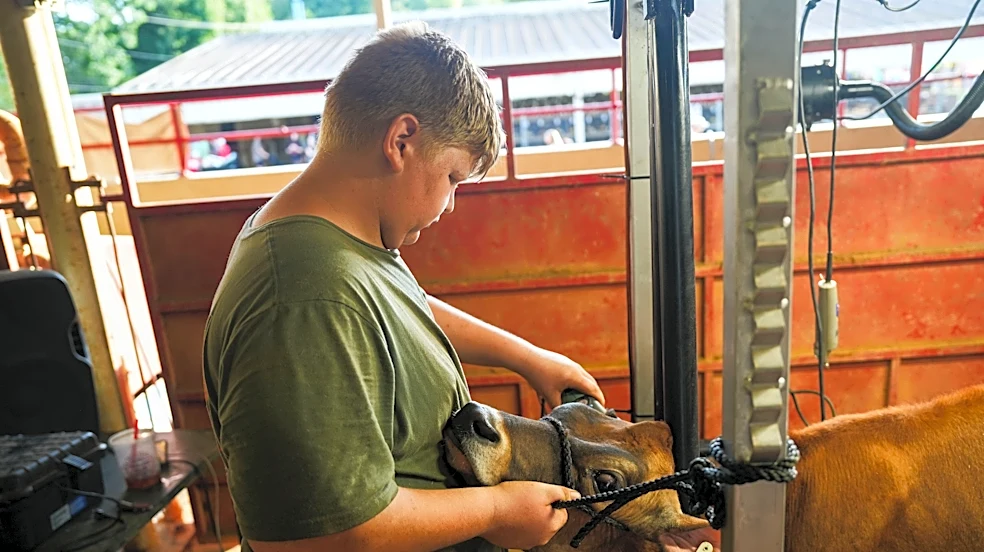
Beef producers and cattle associations such as the TFB opposed Trump's deal because they believed it would increase foreign competition at a time when many U.S. cattle producers were already grappling with high operating costs and historically low cattle inventories.
"Increasing imports of government-subsidized below-market beef risks weakening producer confidence at the very time we need cattlemen investing in herd expansion," said TCA's Executive Vice President Dale Parker in a statement posted on Facebook.
"We support keeping beef affordable for consumers, but short-term solutions should not come at the expense of the producers needed to maintain a strong domestic beef supply."
The American Farm Bureau Federation, the nation's largest general farm organization, also criticized Trump's move, arguing that it hinders cattlemen's ability to grow the American herd.
"Farmers and ranchers are extremely disappointed to learn that President Trump plans to flood the American market with hundreds of millions of pounds of foreign-raised beef," said American Farm Bureau Federation President Zippy Duvall.
"We appreciate the president’s goal of reducing grocery costs, but short-term measures could have long-term negative effects for consumers and for ranchers who are making decisions on whether to retain or expand their herd," he added.
How has Trump's deal hurt farmers in the first 30 days?

Farm Action's analysis found that the first 30 days of Trump's beef import expansion have had a much greater impact on producers than consumers.
Prices paid to ranchers for live cutter cows dropped 12.2%, from $140.68 to $123.47 per 100 pounds. Dressed cutter cow prices fell 13.9%, from $321.98 to $277.32 per 100 pounds.
Live cutter cows are sold based on the animal's live weight, while dressed cutter cows are priced based on the cow's carcass weight after the hide, head, internal organs and other non-edible parts have been removed.
"The first 30 days raise serious questions about whether this policy is actually delivering on its promises,” said Sarah Carden, senior director of research and policy at Farm Action.
“Ranchers are seeing steep declines in the prices they receive, and consumers still haven't seen clear, meaningful relief at the grocery store. We can’t rebuild America’s cattle herd by undermining the producers who raise our cattle. If the administration wants to make beef more affordable, it needs to address the lack of competition in the beef supply chain and invest in a stronger domestic cattle industry—not put the burden on American ranchers.”
Has Trump's import initiative saved money for consumers?
Trump's import deal has saved consumers some money at the grocery store, but not a lot.
In the first 30 days, consumers have seen limited savings, with average ground beef prices falling just 13 cents per pound. When the policy took effect, the average price per pound was $6.92; it is now $6.79, a decline of less than 2%, according to the analysis.
Why is the price of beef so high?

The price of beef has increased by over 122% in the last five years, according to the American Farm Bureau Federation, as the U.S. cattle herd sits at its lowest level in decades.
According to the U.S. Bureau of Labor Statistics, beef and veal prices were 9.4% higher in July than a year earlier.
The U.S. cattle herd has shrunk following years of drought that burned up grazing lands and increased the cost of feed, reported USA TODAY.
Peter Burditt covers trending news and service journalism for The Tennessean. Contact him at PBurditt@nashvill.gannett.com.
This article originally appeared on Nashville Tennessean: Trump's beef import deal is hurting cattle producers, analysis finds