




Vanderbilt University ranks 5th in a survey assessing free speech on campus, according to the Foundation for Individual Rights and Expression’s annual College Free Speech Rankings report.
The private institution headquartered in Nashville continues "to stand firm in their reinvigorated support for the First Amendment,” the survey said. “This is the way.”
The findings come as Vanderbilt prepares to host the Global Free Speech Summiton Oct. 2-3 and promotes Dialogue Vanderbilt, a series of gatherings meant to spark conversation.
"We really get to talk through things," said graduate student Samantha Taylor. "The faculty is amazing. They do a great job."
"I feel completely comfortable," sophomore Clayton Ramey said.
"I think that friendly disagreement
is something that brings universities together," sophomore Frank Bagolie said. "When we can open dialogue on things that we don't agree about, I think that is what a university is all about in the grand scheme of things. We all come from different paths of life. Not every opinion is going to be the same."
Middle Tennessee State University, having joined the survey last year, jumped two spots to land in 13th place.
The University of Tennessee at Knoxville dropped 11 points to 47 while the University of Memphis dropped 40 points to land at 168.
The survey is in its seventh year. It reviews student attitudes and administrative support toward free speech on campuses. This year's survey reflects responses from 62,997 students at 2,621 campuses.
The scores come after what FIRE called a “jarring” year for free speech.
Comments after the Sept. 10, 2025 shooting death of Charlie Kirk sparked a number of employment terminations and subsequent lawsuitsin Tennessee and elsewhere. Tennessee has spent $3.2 million in settlements, backpay and other damages to plaintiffs who have sued.
“There are reasons for cautious optimism,” said Sean Stevens, chief researcher at FIRE. “Around 189 schools improved their (free speech scores). However, we still only have around 25 schools getting like what would be a C or better on a traditional academic grading scale.
"There's still there's still plenty of reason for concern, and I do think the Charlie Kirk assassination...reverberated across the country."
What the survey says
MTSU and the University of Tennessee have dealt with lawsuits regarding comments about Kirk.
Former MTSU Dean of Students Laura Sosh-Lightsy is suing the university on First Amendment grounds.
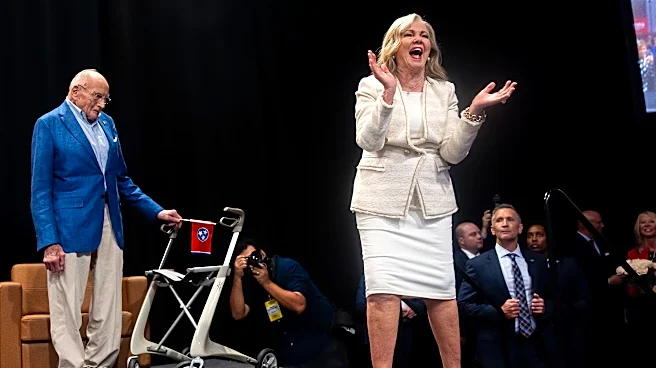
She was fired on Sept. 10, 2025, an hour after U.S. Sen. Marsha Blackburn, the GOP candidate for governor, tagged the college in a social media post about comments Sosh-Lightsy made the evening of Kirk's death.
In a statement at the time, MTSU President Sidney McPhee called the comments “inconsistent with our values and have undermined the university’s credibility and reputation with our students, faculty, staff and the community at large."
“More than one student from MTSU directly referenced (her firing) in response to the question about incidents that make you self-censor,” Stevens said.
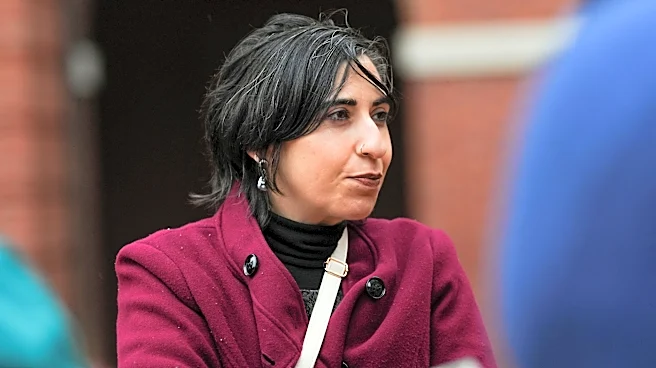
The University of Tennessee saw a drop after the school agreed to a $1.9 million settlement in late June with former assistant professor Tamar Shirinian, who was fired after writing about Kirk on a friend's private Facebook post.

The settlement is one of the highest Kirk-related settlements in the nation.
"Some students, including a few at the University of Tennessee Knoxville, made direct references to faculty firings (in their survey responses about their comfort speaking)," Stevens said. "Students said that sent a clear message to them as to what can and can't be said on campus."
Similar sentiments were reported at the University of Memphis, where 37% of student respondents reported self-censoring on campus at least once or twice a month; 64% of students reported that shouting down a speaker to prevent them from speaking on campus is acceptable, at least in rare cases.
Students at the school also report slightly above-average rates of acceptance of using violence to stop someone from speaking on campus in rare cases, with a 31% acceptance rate in comparison to the national 30% rate.
The national rate marks a decline from last year's record-high percentage of students who said the same, which was 34%.
Vanderbilt University’s climb shows the impact of administrative support, Stevens said.
"Over the past seven years," the survey said, "it has become apparent that strong leadership at colleges and universities is needed to establish at the very least the basic conditions of an open expressive environment."
Angele Latham’s role covering First Amendment issues at The Tennessean is made possible by a collaboration among Freedom Forum, Journalism Funding Partners and the USA TODAY Network. Freedom Forum does not provide editorial input. Reach Angele Latham at alatham@gannett.com, on X at @angele_latham and on TikTok at @angelelatham.
This article originally appeared on Nashville Tennessean: Vanderbilt University, MSTU lead the nation in free speech on campus