







Every institution I have sued over sexual abuse says some version of the same thing when the lawsuit lands: We take this extremely seriously. Then I get the file.
Too often, what I find looks nothing like the statement the public received. There's typically a prior complaint. A documented warning. Conduct someone had already flagged. An investigation that checked every procedural box but never asked the hard questions. The decisions often appear to be more focused on protecting the institution than protecting the person who came forward.
That is why the case unfolding at Cornell Universityshould make people uncomfortable.

How the Cornell case came to light
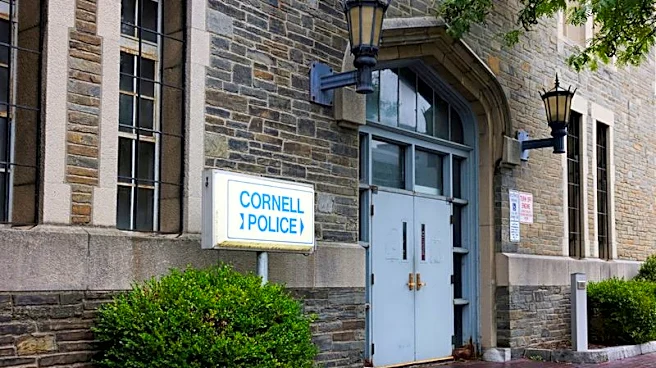
In 2024, a Cornell student went to campus policeabout a night at the Chi Phi fraternity house involving seven of its members.
The district attorney declined to bring charges. His reason: The student's sworn written statement to campus police did not allege that she was drugged or that she did not consent.
But he has also acknowledged that his office never received the transcript of her interview with campus police before making that call, and that prosecutors did not independently investigate. The decision not to bring charges was based on the investigation conducted by Cornell Police and the record provided to his office.
Think about that. The decision about whether to prosecute an alleged gang rape depended on an investigation conducted by the university's own police department. Ithaca police say the case was never reported to them.
Now, I'm not saying anyone at Cornell set out to bury the case. I'm saying no institution should be the only one holding the file on its own crisis. And for nearly two years, that was where the matter stood.
Then she sued.
Within days, the district attorney reopened the criminal investigation and said he would take the case to a grand jury. New York's governor called for outside scrutiny of Cornell's handling of the case, and Cornell agreed to an independent review.
The accused still deserve due process, and it's up to a grand jury and the courts to decide what can be proven. But the timeline raises a harder question: Why did it take a lawsuit for everyone to look again?

What survivors must endure
Cornell isn't unique. Universities, hospitals, churches and companies all have something to lose when serious allegations surface: reputation, trust, donors, patients, applicants or shareholders. And sometimes getting to the truth means confronting whether someone inside missed a warning, ignored a complaint or failed to act.
No one has to plot a cover-up for self-preservation to shape what happens next. A complaint gets processed. Lawyers get involved. Someone is disciplined, transferred or removed. A statement says the matter was taken seriously. The file is closed, and the institution moves on. But the person who was harmed doesn't get to move on.
Some of the people I represent can't walk into a doctor's office anymore, sit in a classroom or trust anyone in authority. That doesn't close when the file does.
A survivor who comes forward doesn't get to hand their case to the system and go home to heal. They retell the worst night of their life to police, administrators and investigators. Then they wait for a decision. And when the file comes back closed, they're expected to accept it. If they don't, they have to find a lawyer, file a lawsuit and tell the story all over again. This time, it's in public, while strangers question their motives, their memory and whether it happened at all.
Sooner or later, someone calls it a cash grab.
I've represented survivors. I know what that accusation ignores. Therapy. Medical care. Lost work. An education or career derailed. Harm that can follow someone for the rest of their life. A settlement isn't a payday when you're the one left paying for harm someone else caused.

These lawsuits aren't about money. They're about accountability
I have been a trial lawyer long enough to know what happens after a lawsuit is filed. The institution says it investigated. I ask for the investigation. It says it followed policy. I ask for the policy and the evidence that anyone followed it. It says nobody could have known. I ask who complained before and what they did about it.
Then I ask for the emails. The texts. The disciplinary records. The internal communications. I put decision-makers under oath and ask the questions that may never have been asked before. That's what filing a lawsuit does. It turns "We took this extremely seriously" from a statement into something an institution has to prove.
Show me the complaint. Show me the investigation. Show me the evidence. Show me what was given to prosecutors and what wasn't. Show me who made the decisions and what they relied on. Show me what consequences followed. Show me the emails, the reports and the internal communications. Then show me how the institution can say it did enough.
That's why these cases matter beyond any settlement or dollar amount. An institution can hire lawyers, issue carefully worded statements and insist it followed procedure. But if the same failures continue behind closed doors, what has actually changed?
What survivors are owed
If an institution can protect its reputation, close the file and move on without confronting what went wrong, what stops it from doing the same thing the next time? That's how institutional failures become patterns. Not because someone necessarily ordered a cover-up, but because protecting the institution can become easier than exposing what went wrong inside it.
I've seen this playbook before. They investigate internally. Follow procedure. Issue a statement. Close the file. Move on. The institutions and allegations may change, but the fundamental problem doesn't: The people with the most to lose from what an investigation uncovers can also be the ones conducting it.
Cornell shows where that can lead. When a university's own police investigate allegations that could expose failures within that university, their work becomes part of what prosecutors rely on to decide what happens next. What gets documented matters. What gets handed over matters.
And what never reaches the people making those decisions matters too.
Survivors are owed more than a statement saying they were taken seriously. They're owed more than "trust us." They're owed a process in which the institution with something to lose isn't the one controlling what comes to light.
Elliott Jung is a partner at HHJ Trial Attorneys in San Diego, where he represents plaintiffs in personal injury cases, including survivors of sexual assault and institutional abuse.
This article originally appeared on Nashville Tennessean: What Cornell case reveals about institutional oversight | Opinion