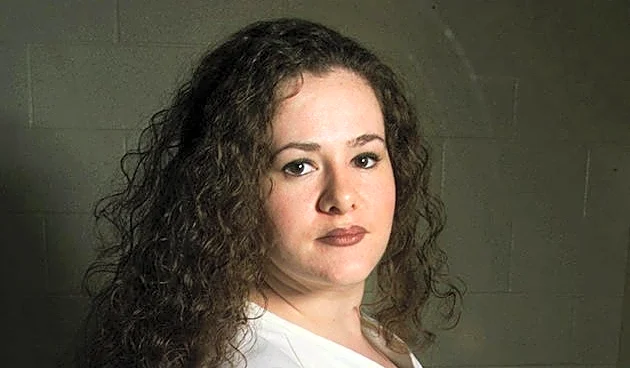





The state of Tennessee has to preserve any information and materials related to the failed execution of Christa Pike, take affirmative steps to claw back things that might have already been deleted and give Pike’s attorneys access to her with two hours of notice, a Nashville judge ruled.
The ruling is the "very, very first step" of what Pike's lawyers expect to be a long legal battle, her attorney Luke Ihnen said.
Pike's legal team also shared an update on Pike's medical status.
In a news conference after the Oct. 7 hearing, they said Pike has a blood clot, pneumonia, cannot swallow, cannot eat and cannot move her arms. Attorney Randy Spivey compared the swelling in Pike's hands to an inflated hospital glove.
To the surprise of her legal team and
the doctors caring for her, Pike regained consciousness and began speaking on Oct. 6, Spivey said. Just a day before, medical professionals thought she may have been brain-dead and said she would be removed from life support the next day, Spivey said.
Chancellor I’Ashea Myles issued her ruling verbally to preserve evidence in the Historic Metro Courthouse after hearing arguments from Pike's legal team and lawyers with the Tennessee attorney general's office. She will issue a written order soon, she said.
The context of the morning's hearing and the issues at play were unprecedented. Pike is the only person to survive the administration of lethal injection drugs, according to outside experts and Pike’s attorneys.
“This case is unique to say the least,” Myles said. Later, she added, “This may be a first of its kind case.”
Pike is shackled at one hand and both of her feet in a private hospital, Ihnen said. Ihnen asked Myles to order that her hand be unshackled because it was causing problems for medical personnel. Myles asked for more information from the medical staff and will rule on the matter after receiving an update, she said.
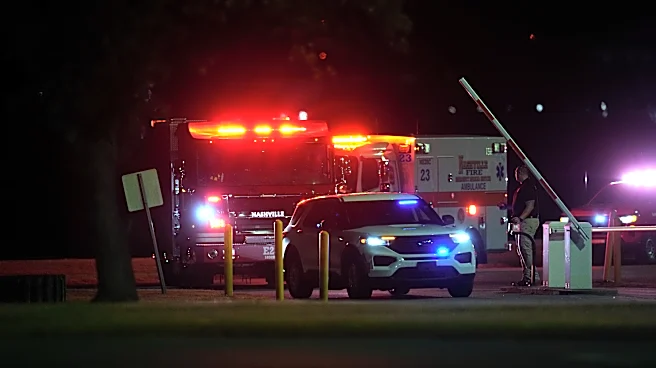
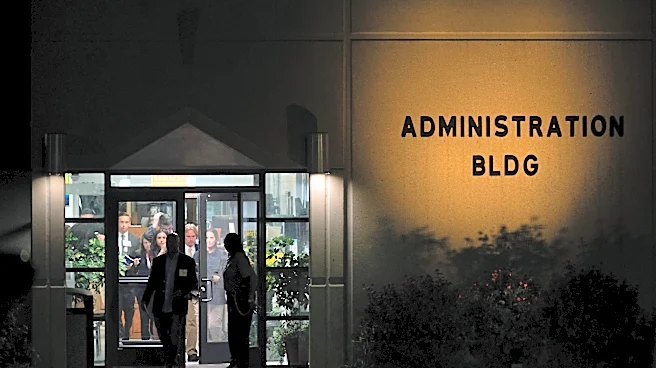
Pike was scheduled to be executed Sept. 30 at Riverbend Maximum Security Institution in Nashville. She was sentenced to death for the 1995 torture and killing of 19-year-old Colleen Slemmer in Knoxville. Pike was 18 at the time.

Pike has 'confusion,' loss of normal function
Randy Spivey, a lawyer for Pike, said her attorneys were told on Oct. 5 that she was brain-dead. A day later, she was awake and talking.
Spivey said his understanding was that her first words when she woke up were along the lines of, "Where am I and who are you?"
He said Pike has a lot of "cognitive confusion" but has asked about the victim's family. Pike is aware the state tried to execute her, Spivey said, and he thinks she is angry and confused.
She had a blood clot, he said, and her arms are still swollen from where the chemicals entered her body. She cannot eat or swallow normally.

State must preserve evidence from attempted lethal injection, judge orders
Myles will provide the full list of evidence subjected to her ruling in a written order but said it will include medical materials, communications between corrections staff, including messages on the encrypted messaging app Signal, other materials from the execution chamber and more.
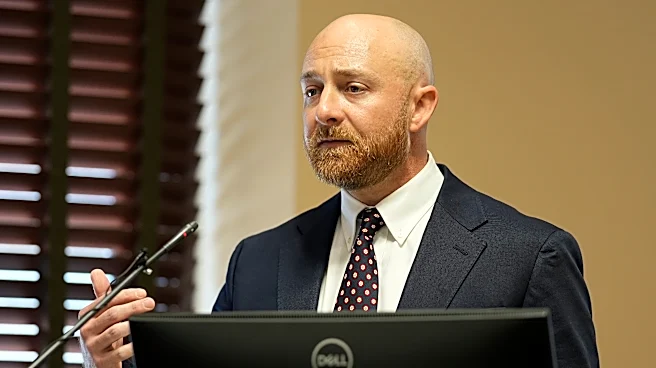
Will Ayers, Tennessee's assistant attorney general, originally argued against Pike's motion regarding evidence, in part because he said the state and the Tennessee Department of Correction is already under the imperative to preserve such materials.
"It needs to be maintained," Myles said about the evidence. "And frankly, the state has no problem doing this, as you have already stated, Mr. Ayers."

Judge rules on plan for attorney access in hospital
After Myles gave her order to preserve evidence, she ironed out the issue of Pike's access to her attorneys while she is in the hospital.
Pike's legal team will need to give at least two hours' notice before their requested meetings with her. A prison warden will grant the access. It will be the responsibility of Pike's lawyers to work around any policies the hospital might have about visitation, Myles said.
Ayers clarified during the hearing that the state, along with TDOC, does not intend to impede Christa Pike's access to her attorneys.
He pointed out that while she was incarcerated, Pike did not have unfettered access to her legal team, but there was a process in place to set up in-person meetings in advance and schedule phone calls. While that process has been adjusted slightly because of her hospitalization, Ayers said, it is still acceptable.
While inmates are incarcerated, they have access to their own tablet, which is a technology that replaced letters in multiple prisons to prevent contraband from entering secure facilities. While Pike's attorneys said the tablet would be helpful in the hospital, Ayers said that technology is not meant to leave the confines of the prison system. However, he said the state is open to figuring something out.
“TDOC is committed to a collaborative process,” Ayers said.
Have questions about the justice system? Evan Mealins is the justice reporter for The Tennessean. Contact him with questions, tips or story ideas at emealins@tennessean.com.
This article originally appeared on Nashville Tennessean: Christa Pike gets legal win, lacks normal function after execution attempt