




This story is an installment in The Tennessean's Q&A series On the Issues, where we asked the leading gubernatorial candidates to weigh in on some of the most pressing issues Tennessee’s next governor will face.
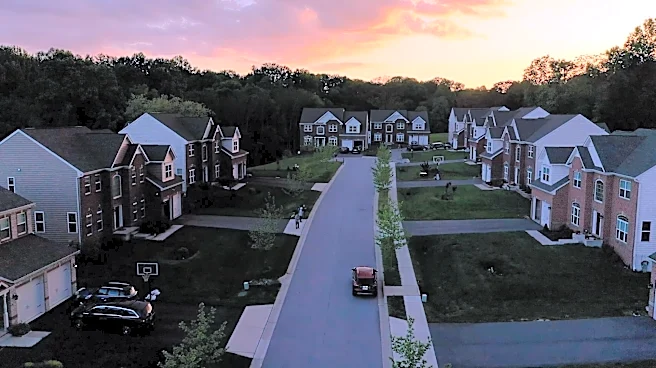
Tennessee’s next governor will inherit a$58 billion backlog of unfunded road projects
, according to the Tennessee Department of Transportation. As more people have moved to Tennessee, traffic congestion has become worse.TDOT Commissioner Will Reid has said the state’s no-debt system is not a sustainable way to fund future projects.
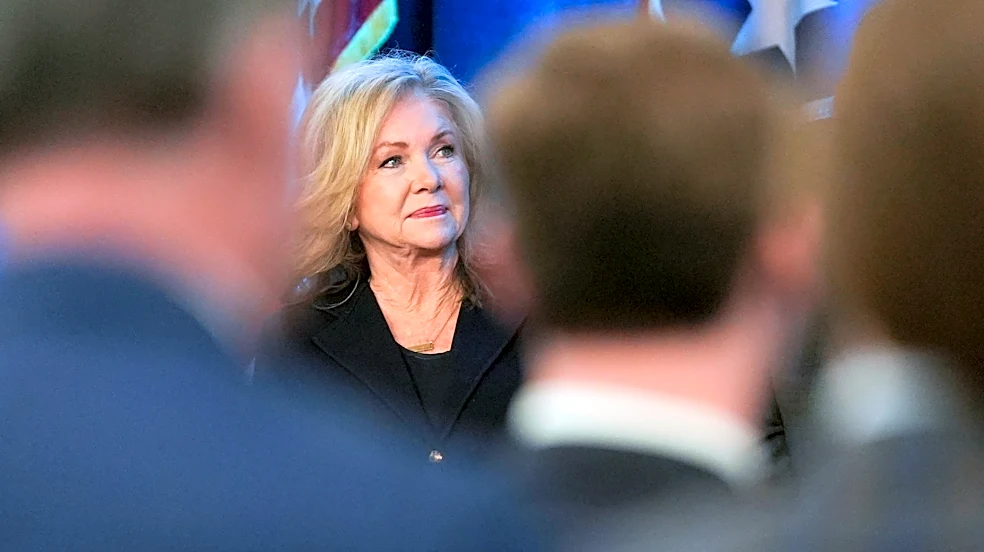
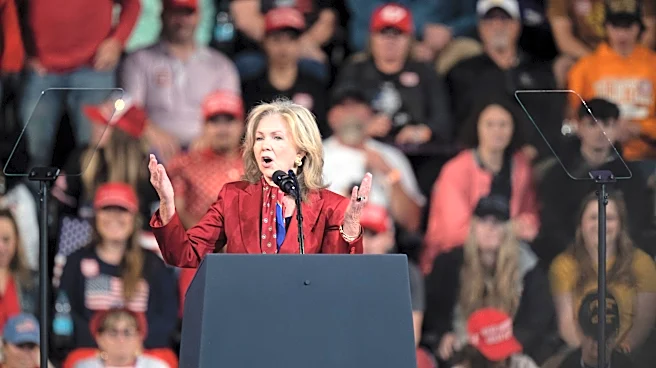
We got responses from all four candidates polling over 1%: Republican nominee U.S. Sen. Marsha Blackburn, Democratic nominee Jerri Green, independent candidate David Hatley and independent candidate Lauren
Pinkston.
Here’s how each candidate plans to tackle the state's road funding backlog.
As governor, how do you plan to establish sustainable and adequate funding streams for Tennessee’s roads backlog?
GREEN: I would advocate to legalize marijuana medicinally and recreationally to tax the growth and sales of cannabis to fund the $58 billion dollar backlog for roads, bridges and transportation projects.
BLACKBURN: As governor, one of my first actions will be to complete a DOGE to remove waste, find savings and reduce what we spend. From there, we must bring innovative solutions to congestion and surface transportation, and choice lanes are one consideration. That's the only way we will meet our growth needs, as our infrastructure has not been able to keep up with the growth of our state.
PINKSTON: Since 1977, Tennessee has not used general obligation bonds or other debt financing tools to finance transportation projects, making it one of only four states not to do so. Our legislators have touted this fact with a sense of pride, but taxpayers are the ones paying for shortcomings of our infrastructure needs on a daily basis. Especially now that it is becoming more challenging to fund Tennessee’s transportation needs, Tennessee is forced to consider debt financing as a fiscally responsible way to fund transportation construction needs. These are projects with long lifespans, with material and labor costs that continue to rise with inflation. A stable rate of debt repayment means that financing these projects over time is beneficial to our state budget. While this in itself cannot be the entire solution, bonded projects make funding our state’s transportation infrastructure needs more equitable and more cost efficient. As with any responsible debt, our payment plans must be responsibly accounted for in long-term budget priorities.
HATLEY: I will start by proving what the state actually needs and what it already spends. I’d put a new independent state auditor to work on TDOT’s project list and its contracts, and every dollar of waste found goes to roads. Then I’d dedicate taxes drivers already pay, like the sales tax on vehicles and tires, so TDOT has recurring money it can plan around instead of one-time transfers. The gas tax is fading as vehicles get more efficient, so I’ll put a long-term plan before the legislature that doesn’t depend on it.
Would you consider raising taxes to help pay for roads?
GREEN: No.
PINKSTON: Raising taxes on working families is not an option, especially in an economy where working families are being punished by increased grocery bills, housing costs and one of the highest sales tax rates in the country. I'm not going to ask them to carry more. I do believe the people and businesses putting the most strain on our roads should help pay to fix them. That means impact fees on large developments, so new growth pays for the roads it needs. It means making sure data centers and other major projects cover the infrastructure costs they create. And it means closing the corporate tax loopholes that let large companies avoid paying their share.
HATLEY: No. We aren’t raising taxes, and I’ll be held to that. I’ve proposed pausing the state gas tax to give families relief and backfilling every dollar so TDOT, cities and counties don’t lose a cent.
Blackburn did not respond.
As governor, would you propose Tennessee take on debt to pay for roads?
GREEN: We should leave all options on the table. Every state issues debt for large capital projects. My priority is to maximize the $1.2 billion surplus, track down and eliminate waste, fraud and abuse in state spending, and ideally, legalize cannabis first, to build a dedicated funding stream. But standard capital debt refinancing should remain an option for long-term scale projects when managed responsibly.
PINKSTON: Tennessee should only take on infrastructure debt with strict limits. Tennessee's pay-as-you-go approach has protected us from the debt problems other states face, and I respect that. But TDOT's own commissioner says it can't keep up with a $58 billion backlog. When construction costs rise every year, waiting isn't free. It means paying more later for the same road. I'd consider limited borrowing for major projects that will last for decades, the same way a family takes out a mortgage instead of paying cash for a house. It would come with clear guardrails. … Used carefully, it can help us catch up instead of falling further behind.
HATLEY: Only in a limited way. I’ve borrowed to build factories and I lived through 2008, so I know both sides of debt. You borrow for something that pays you back. You never borrow for payroll or patching. I’d consider bonds for a short list of specific projects, named publicly, each with a dedicated repayment source from existing revenue and a hard cap on annual debt service. Tennessee’s AAA rating is not something I’d put at risk.
Blackburn did not respond.
Will you commit to significantly reducing the state’s roads backlog during your tenure in office? If so, what percentage or goal would you seek to meet by the time you leave office?
GREEN: Yes. I'd like to cut the backlog in half, if not more.
BLACKBURN: We'll invest in an infrastructure that grows with us, which includes more than just our roads: our rails, rivers, runways, and water, wastewater and broadband as well.
PINKSTON: I am committed to measurable progress, and I'll report on it publicly every year so Tennesseans can hold me accountable. In my first year, I'd work with TDOT to publish a ranked list of the most urgent projects, starting with safety, crumbling bridges and the worst congestion. Then I'd set clear goals for what we'll finish by the end of my term. … I won't promise to erase a backlog. ... But I will promise that it gets smaller, that every dollar is accounted for and that rural counties get their fair share.
HATLEY: Yes, I’ll commit to reducing it. I won’t put a percentage on it until the project list has been independently audited, because a number picked before then is a guess. Nine years after the IMPROVE Act, fewer than half of its 962 projects are finished or under construction. That’s a delivery problem as much as a revenue problem.
This article originally appeared on Nashville Tennessean: On the Issues: How will TN's next governor tackle $58B road backlog?