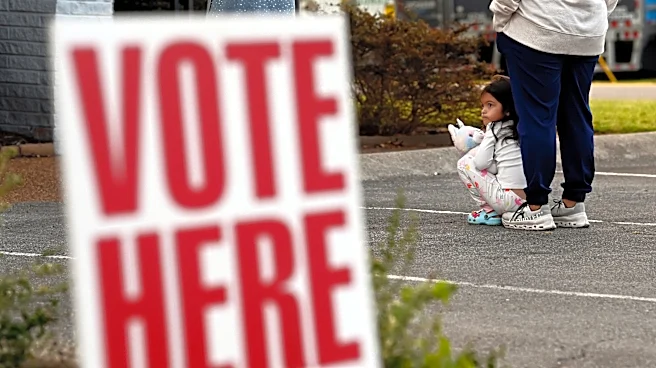

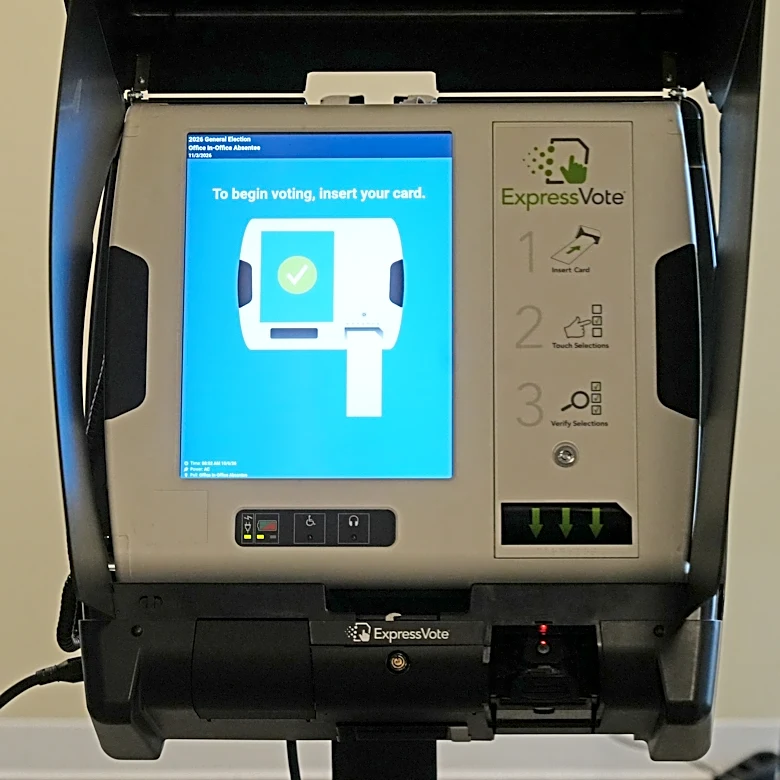





This November, Tennessee voters will be asked to amend Article I, Section 15 of our Constitution to remove the right to bail for a long list of offenses.
The pitch is public safety, and the offenses advertised are ones nobody defends: capital offenses, terrorism, second-degree murder, aggravated rape, grave torture. But read the final clause, which reaches “any other offense” for which a convicted defendant could not be released before serving at least 85% of the sentence: 73 felonies, including vehicular homicide, aggravated burglary and a third drug-sale offense. The problem is not the advertised crimes. It is the additional crimes that voters may not realize are included.

Amendment 1 reaches far beyond the crimes in its sales pitch
Consider how serious cases can arise from circumstances that are more
complicated than the charge suggests. A bar fight can become an aggravated-assault case when someone is badly hurt. A moment of bad driving can result in a vehicular-homicide charge. Serious charges, yes, but ones that can involve ambiguous facts and circumstances that call for a judge’s individual assessment rather than a constitutional presumption against release.
Tennessee judges already have the authority to weigh criminal history, failures to appear, employment and community ties when setting bail and conditions of release. This amendment does not fill a gap. But it expands the circumstances in which a judge could deny bail and enlarges the power to jail people who have been convicted of nothing.
More pretrial detention means real consequences before conviction
Bail is not punishment.
When liberty is taken before guilt is established, the loss is immediate: jobs, housing, custody and medical care. An acquittal a year later restores none of it. Detention can also affect the course of a criminal case. Researchers have repeatedly found that detained defendants plead guilty more often, and faster, than released defendants. Detention can become leverage and cases can turn on the fear and pressure of confinement rather than the evidence.
History has shown that when given the chance to detain, judges will. In the federal system, judges have two choices: release without bail or detain. In 1984, the detention rate in the federal system was 27%. Fast-forward to today, and that rate is well over 70%. Once again, judges will detain.
Counties and taxpayers will bear the financial burden
Now the part nobody is discussing: Who pays?
The official fiscal note identifies $9,400 in mandatory local expenditures, primarily for the cost of publishing a larger sample ballot. That is the sole identified cost of putting the amendment before voters. Alarmingly, it does not put a price tag on the additional jail costs that could result if judges use the new authority to hold more defendants before trial. Shelby County is already dealing with overcrowded jails that are costing taxpayers millions. Amendment 1 will only increase those jail populations and costs to taxpayers.
Buried in Amendment 1 is the real cost of additional pretrial detention, which will land on counties that fund their jails with local tax dollars. Tennessee counties spent an estimated $554 million to operate local jails in fiscal year 2022, excluding capital costs. And between October 2023 and January 2024, jails in 19 counties were operating above 100% capacity. The state reimburses counties for housing state prisoners, but those reimbursements come with a cap and do not necessarily cover counties’ full costs.
Nashville feels this most acutely. In fact, Davidson County's cost of housing inmates on a daily basis runs well above the flat rate most counties receive. Any cost overruns become the burden of the city, not the state.

Tennessee taxpayers will pay the difference
So, authorizing pretrial detention across 73 felonies will likely mean more beds, more officers, more inmate medical care and eventually more spending on jail construction or expansion.
County jails run on local tax dollars, not slogans.
There’s a cheaper and better path: preserve judicial discretion, strengthen pretrial supervision and fund faster investigation, indictment and trial. Speed resolves dangerous cases; warehousing merely postpones them.
A constitution exists to restrain government, not simply to expand its power to take away liberty. And no amendment should be sold as free when Tennessee's counties are left to absorb the cost.
Tennessee voters should look beyond the crimes named in the campaign pitch and ask a simple question: If this amendment results in more people being held before trial, who will house them, staff the jails and pay the bill?
The answer will be local taxpayers.
Vote no on Amendment 1.

David Raybin is a Nashville attorney.
This article originally appeared on Nashville Tennessean: Vote no on Amendment 1. It's costlier than advertised | Opinion