





Editor's note: This guest opinion is presented as a conversation between local attorneys and frequent contributors Scott Carey and Mark Chalos, who bring different political perspectives to public issues.
Mark Chalos: Hi Scott. Hope your summer is ending well. They say fall is coming, but these hot, sunny days have me skeptical.
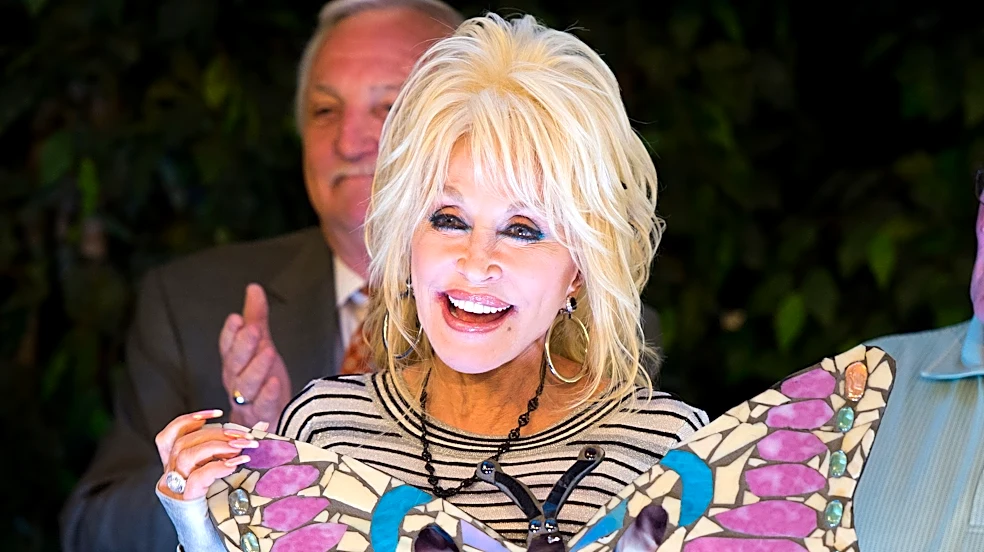
We recently lost one of the greatest Tennesseans, Dolly Parton. It’s difficult to do justice to her career and life in a short column. She was a once-in-a-generation mix of talent, heart, beauty and business savvy. Perhaps most importantly, she was a generous soul. Her contributions – including giving her time, attention and money – to helping our community, state and nation were extraordinary.
legacy is Tennessee's to carry forward
Dolly was also a great role model. She managed to be opinionated and vocal about her opinions, seemingly without alienating, well, anyone. She spoke up unequivocally about a number of hot-button issues throughout her career, including gay rights and women’s rights, and more recently, COVID vaccines and the Black Lives Matter movement. And she didn’t just talk; she led by example, donating millions to causes she believed in, often helping those who are invisible to much of society.
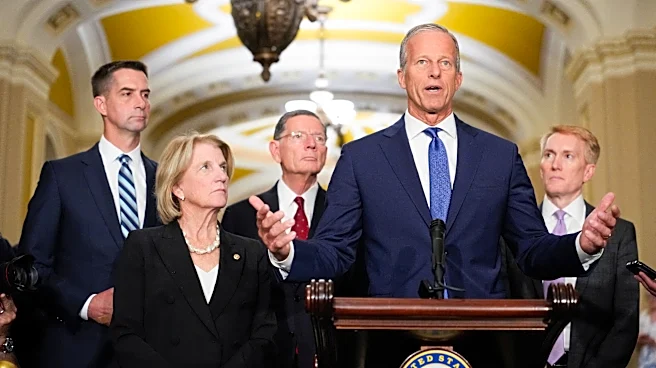
In contrast, many of our elected political leaders – whom we actually hired to, among other things, address the issues that Dolly spoke about – can’t seem to get anything right.
What can the politicians learn from Dolly?

Dolly Parton and the power of authenticity
Scott Carey: We lost a legend and are all still mourning the passing of a unique talent. You pose an interesting question. We would all do well in life to be more like Dolly.
First, she was authentic. That may sound strange since she wore wigs and dressed in flashy clothes. But she told us who she was: a girl born in poverty in rural East Tennessee. She never forgot her roots.
Politicians are too often a creation of their handlers. Polls and focus groups dictate what they say and do. Instead of speaking from a set of core values, they try to act and sound a certain way in order to relate to voters and get elected.
Dolly was Dolly. She knew exactly who she was. She was comfortable in her own skin, so we were naturally drawn to her.
Politicians focus on scoring political points and winning arguments. Dolly was beloved because she built trust. She treated everyone with dignity and helped those in need. She didn’t just talk about issues, she acted with generosity throughout her life. She could take positions on difficult topics without generating the level of backlash that often engulfs elected officials because people trusted her motives even if they disagreed with the particular stance.
Dolly Parton practiced servant leadership
Mark Chalos: You are spot on, Scott. In addition to her authenticity, there was something additional to Dolly’s approach – something akin to servant leadership. One always got the sense that Dolly operated with a powerful empathy for her fans and her community. She didn’t view her fans as a means to gaining wealth or power. She didn’t view her fans as a nuisance. She recognized and appreciated that she achieved career success because her fans continued to listen to her music and to engage with her persona. And it was only through her continued focus on delivering for her fans that she could maintain her esteem.
Many politicians, it seems, have lost sight of the reality that they only have a job, as well as the power and, sadly, wealth that come with many political jobs, because of the support of their community. (The abhorrent notion that politicians get rich off their public service should be the topic of a later column).
But politicians too often view voters as a group that needs to be cajoled, managed and perhaps misled, so the politicians can get or keep their job. Worse than that, many politicians believe that they only need to concern themselves with the segment of their communities who are likely to vote for them. Any of their neighbors who disagree with them are irrelevant or viewed as enemies. They might be the elected leader for the entire community, but 49% of the community can pound sand, in many politicians’ view.
In short, too few politicians view themselves as servants to their communities. Their communities exist only to serve their political leaders.

A legacy of service, not self-interest
Scott Carey: Ah, servant leadership! Dolly understood something that too many politicians have forgotten: The job isn't about you. She spent decades showing up for people because she genuinely cared. Whether it was funding childhood literacy through her Imagination Library, quietly writing checks after the Gatlinburg wildfires or donating $1 million toward COVID vaccine research, Dolly led with humility and followed through with action.
Dolly proved that if your motives are rooted in love rather than self-interest, you can hold strong convictions, speak your mind and still bring people together.
We'll miss her dearly. But what a legacy she left behind.
Dolly told us we're "barely gettin' by, it's all takin' and no givin'." She sang that about the workplace, but it sounds an awful lot like Congress. Maybe it's time our politicians stopped working “9 to 5” for themselves and started putting in the hours for the rest of us.

Scott Carey and Mark Chalos are local attorneys and frequent guest columnists who represent conflicting clients in lawsuits. Scott and Mark also come from very different political viewpoints and have both been active in opposing political spheres. They have been friends for over 25 years.
This article originally appeared on Nashville Tennessean: What Dolly Parton can teach politicians about leadership | Opinion