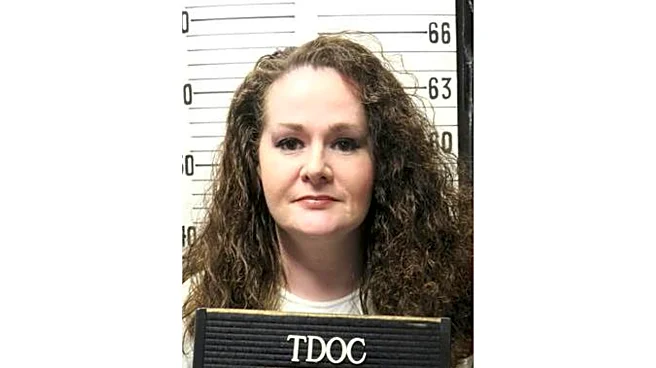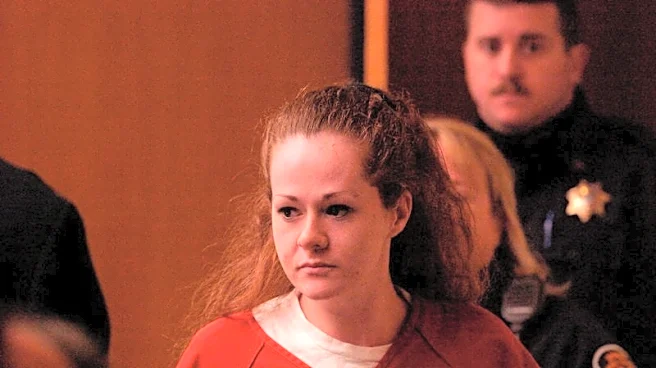

On Sept. 30, the State of Tennessee tried to kill Christa Pike. It did not succeed.
Four months earlier, Tennessee tried to execute Tony Carruthers. That execution failed, too.
I am a United Methodist pastor
and a chaplain to people on Tennessee’s death row, but my relationship with capital punishment began long before I became a chaplain.
I know what murder does to a family.
In 1997, when I was 17 years old, four children in my family were murdered by their father, Daryl Holton. Stephen Holton was 12, Brent Holton was 10, Eric Holton was 6 and Kayla Holton was 4. I served, alongside my father and uncles, as a pallbearer, carrying their small white caskets to their final resting place in rural Bedford County. Those children, along with their father, were my cousins.
Ten years later, Tennessee executed Daryl in the electric chair.

Conviction rooted in experience
So when I say I oppose the death penalty, I do not say it because I do not understand violence firsthand. I say it because I do.
Colleen Slemmer was 19when Christa Pike participated in her murder in 1995. Colleen’s life mattered, and the brutality of her death should never be minimized to make opposition to capital punishment easier. For more than three decades, her family has carried a griefthat no family should have to carry.
We can tell the truth about what Christa did and still ask whether killing her is justice, because after what happened Sept. 30, questions about drugs, IV access, personnel and protocols matter.
But perhaps we are asking the wrong question. Instead of asking how we make the machinery work better, perhaps we should ask whether the machinery itself is the problem.
Underneath all the clinical language of capital punishment, something remarkably simple is happening: Human beings are desperately trying to figure out how to kill human beings. Somebody must find the vein, somebody must prepare the drugs, somebody must give the order, somebody must watch and everyone must carry the memory afterward.
Does Tennessee have the courage to stop killing?
I have known people who were murdered. I have known people the state intended to kill. None of those experiences has made me believe less in accountability; they have made me believe less in killing. My Christian faith shapes that conviction, but you do not have to share my faith to question whether a government capable of imprisoning someone for life also needs the power to kill them.
Mercy that requires pretending evil never happened is cheap mercy. We can look directly at what someone has done, require accountability and still insist that a human being is more than the worst thing they have ever done.
The dead do not come home because we execute someone. Stephen, Brent, Eric and Kayla did not come home when Tennessee executed their father. Nothing about Daryl’s execution resurrected those four children. I wish it could have.
That is the terrible thing about murder. There is no punishment capable of undoing it.
Tennessee can investigate what happened, revise its protocols and try again. And perhaps someday we will convince ourselves that we have perfected the machinery. Or we can ask a harder question: Why are we so committed to making the machinery work?
Perhaps honoring the dead does not require creating more of them. Perhaps justice can hold people accountable without asking us to become participants in the very thing we say we condemn. Perhaps Tennessee does not need a better way to execute people.
Perhaps we need the courage to stop.

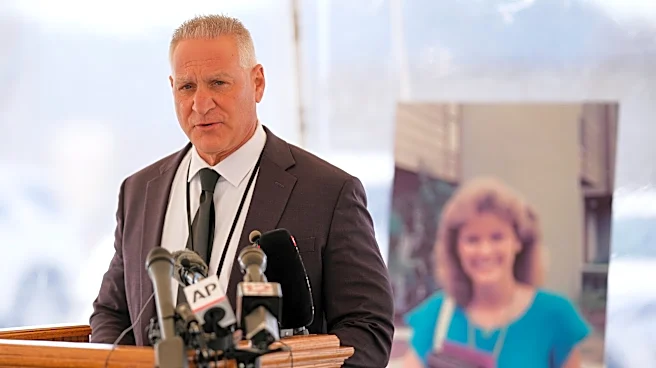
The Rev. Timothy Holton-Overcast is a United Methodist pastor in Middle Tennessee and serves as a chaplain to people incarcerated on Tennessee’s death row. He writes here in his personal capacity.
This article originally appeared on Nashville Tennessean: Maybe Tennessee doesn't need a better way to execute people | Opinion