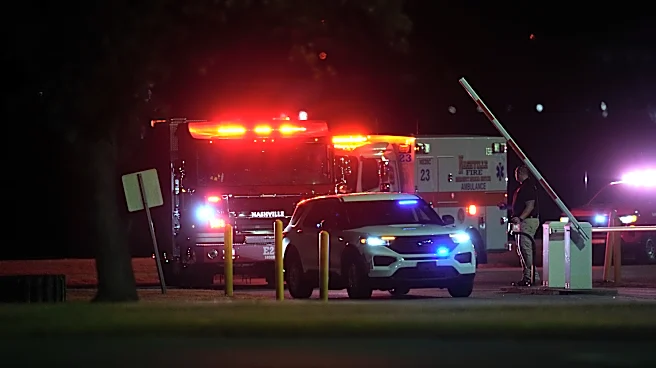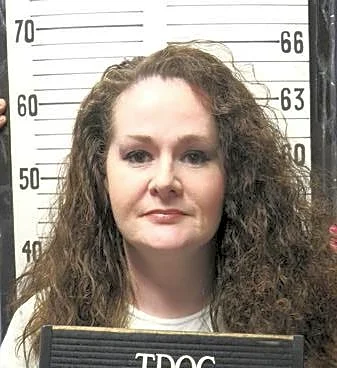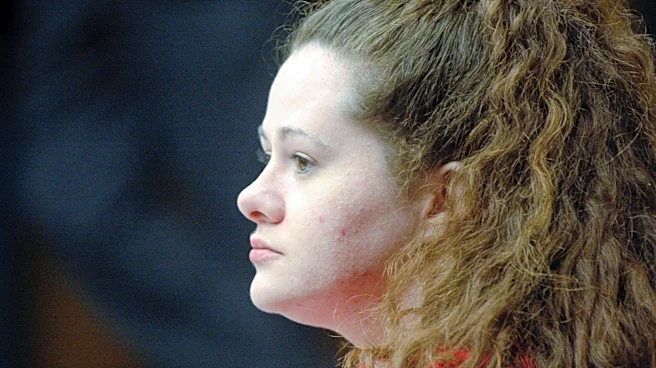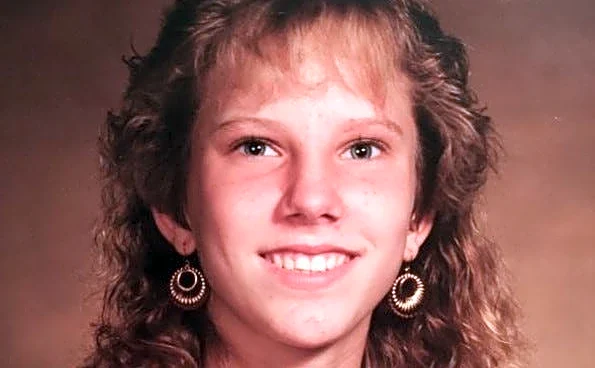



A man convicted in one of the most notorious homicide cases in Nashville's history filed a petition Oct. 2 asking for a new trial based on the revelations by The Tennessean's "Murder on Music Row" podcast.
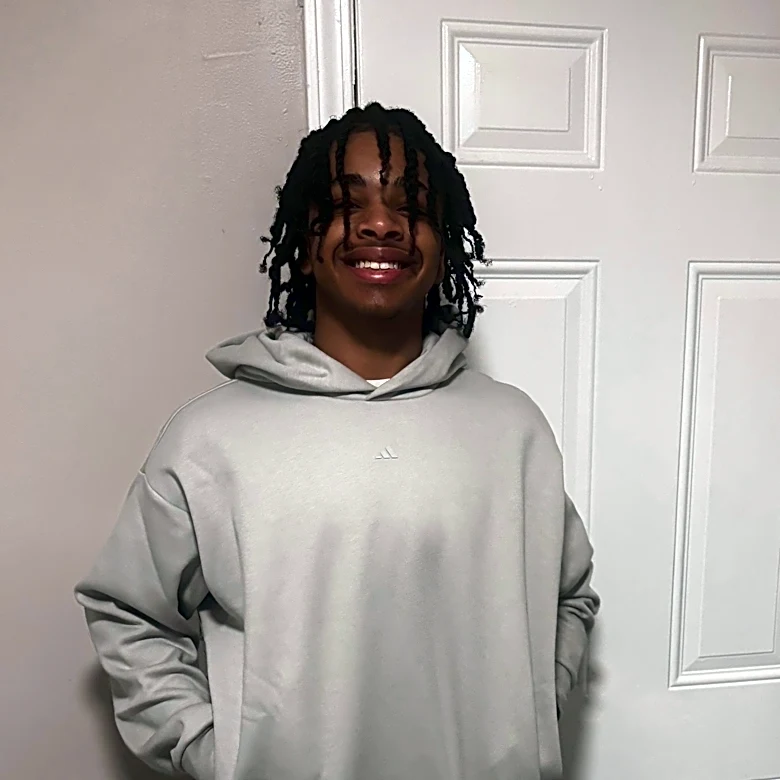
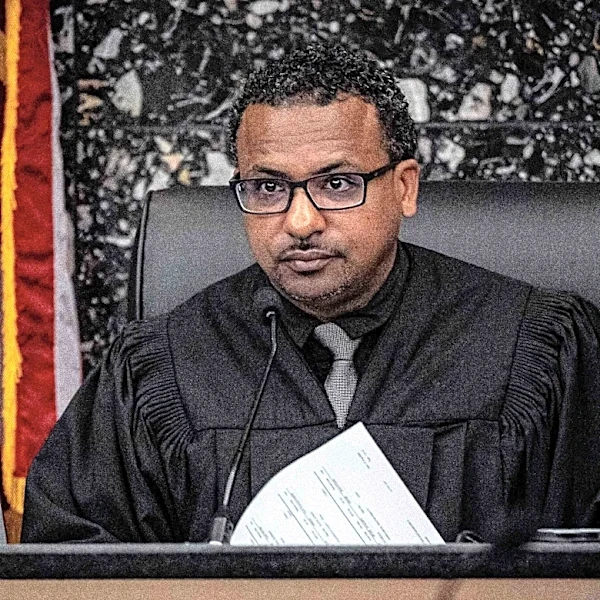
The petition was written by Adam Rodrigues, the attorney for James Caveye, who was convicted in the 1998 bludgeoning death of David "Skull" Schulman. Caveye, who was 17 at the time of the murder. He is serving a life sentence.
The filing also revealed that the Davidson County District Attorney's Office's Conviction Review Unit has sent DNA evidence from the 1998 murder to the Tennessee Bureau of Investigation for re-testing. New DNA testing uses more sophisticated technology than was available at the time of Caveye's trial.
The petition was filed
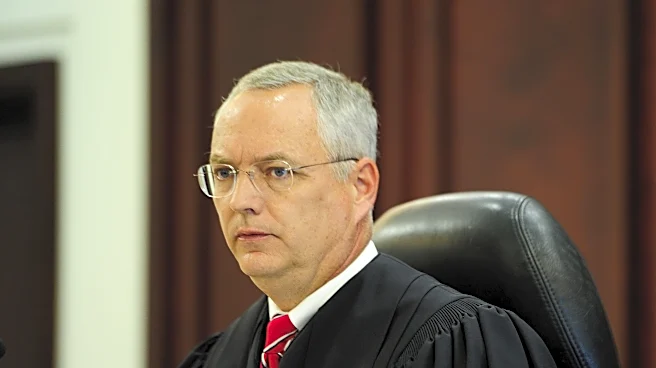
in the court of Judge Steve Dozier, who oversaw the murder trial and sentenced Caveye to life plus 25 years for especially aggravated robbery. Dozier is still a Davidson County criminal court judge.

In the petition, Rodrigues suggested Dozier could wait until the new DNA tests are complete before ruling on this filing. Rodrigues filed the petition in the first week of October to be inside the one-year statute of limitations rule.
"Murder on Music Row Season 2: The Skull at the End of the Rainbow" launched Oct. 7, 2025.
The podcast featured comments from Jason Pence, who testified he witnessed Caveye slash Schulman's throat and beat him over the head with a liquor bottle inside Skull's Rainbow Room, which Schulman had operated in Printers Alley since 1948.
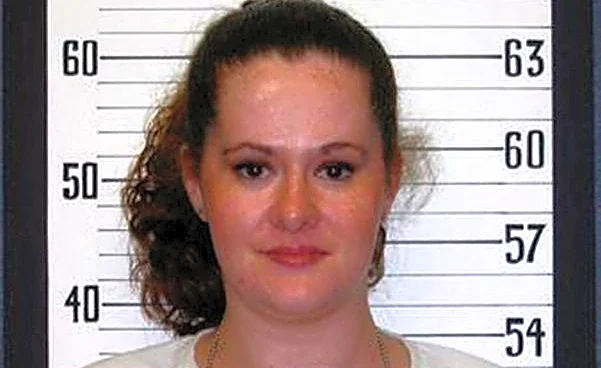
Pence said in the podcast his testimony in the Caveye trial was false.Pence said he was beaten and coerced into lying by a former Metro Nashville police detective.
"The key witness against James Caveye has finally confessed on a public platform to lying on the stand," Rodrigues said. "We hope that is enough to provide relief to Caveye, or, at least, have the Court order Pence to testify under oath to offer his new testimony in the same courtroom where he said he was forced to lie 25 years ago."
The Skull murder case shocked the country music community. Schulman was found on the floor of the bar wearing his famous bib overalls with almost $150 stuffed in his chest pocket. His throat had been slashed, but the medical examiner said he was killed by a crushing blow to his head.

Skull's Rainbow Room was a regular venue for country stars like Willie Nelson, Waylon Jennings, Dottie West and Tim McGraw. Schulman was an honorary cast member of the "Hee Haw" variety television series.
Tanya Tucker sang at his bedside in the early morning hours of Jan. 22, 1998, when Schulman died.
Rodrigues filed what is called a writ error coram nobis, which is a petition that claims the original trial produced a verdict that was based on an error. The jury hearing Pence's testimony, if it was indeed false, would be a mistake, Rodrigues said.
Pence apologized to Caveye's mother and sister in phone calls in December 2025.
Rodrigues said Pence's admission is a game-changer.
"If Pence had not testified as he did," the petition reads, "the results of the proceeding would have been different."
The petition for a new trial said Caveye had a reasonable explanation for having blood on his clothes after Schulman's murder. Pence and other witnesses said they saw Caveye with blood on his shirt.
With no video surveillance or physical evidence such as blood, hair, fingerprints or DNA, prosecutors leaned hard on Pence's testimony. Caveye has maintained he has never been inside the popular Printers Alley bar.
Rodrigues argued police had evidence Caveye, who was homeless in 1998, cut his head on a nail while being rousted from sleep at a Nashville construction site. Lead Det. E.J. Bernard said the report of Caveye's rousting was thrown out as a matter of regular housekeeping.
Bernard, the subject of a special two-part podcast series, "Good Cop, Bad Cop," resigned in 2004 amid an internal investigation. He died in 2006.
"A viable alternative explanation for the blood on petitioner's clothes, particularly if Pence had not testified, might have changed the outcome (of the trial)," Rodrigues' filing said.
"At a minimum," the filing said, "the evidence provided in this writ entitles petitioner to a hearing."
This article originally appeared on Nashville Tennessean: Petition seeks new trial in 1998 Skull murder case | Exclusive