







Basic supply and demand principles help explain why housing has become increasingly unaffordable. It's a challenge facing Nashville, but it's also one that communities across the country continue to grapple with.
Since the 2008 financial crisis, homebuilding has slowed significantly, leaving the United States with an estimated shortage of more than 4 million homes.
Metro Nashville's Unified Housing Strategy estimates the city will need approximately 90,000 new housing units over the next decade to keep pace with projected population growth. Under current conditions, however, only about 70,000 units are expected to be built, leaving a projected shortfall of roughly 20,000 homes.
Those numbers are sobering, but they also underscore why every effort
to increase housing supply matters. Addressing a shortage that has developed over many years won't happen overnight, but meaningful progress is possible when communities commit to building more housing.
That's why a recent study from the Urban Institute stood out to me.
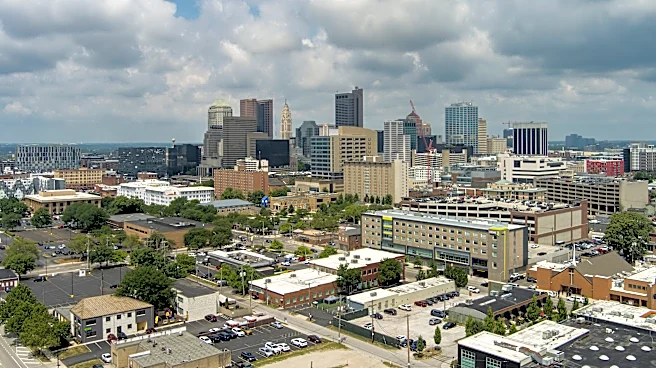
The report found that downtown Nashville led the nation in housing production, adding 24,700 housing units between 2020 and 2025 — the most of any downtown in the United States.
That exceeded central Philadelphia, which added 20,163 units, downtown Brooklyn with 18,995 units, and downtown Seattle with 17,465 units.
While those numbers don't mean Nashville's housing challenges have been solved, they do show what can happen when both the public and private sectors prioritize increasing housing supply. Every additional home helps create more opportunities for current residents and future generations, while easing some of the pressure that has driven prices higher over the past decade.
As a real estate professional, I believe expanding housing opportunities must remain a priority — not just increasing the number of homes but ensuring a variety of housing types that are attainable for the teachers, healthcare workers, first responders, young professionals and families who make this city thrive.
Nashville should be encouraged by this recognition, but it should also view it as motivation. The housing shortage affecting our community mirrors a challenge playing out across much of the country, and there is no single project or policy that will solve it overnight. Continuing to add housing, modernize policies where appropriate, and encourage thoughtful growth will take sustained collaboration, but this report is an encouraging reminder that Nashville is moving in the right direction.

Jack Gaughan is president of Greater Nashville Realtors. A Realtor is a member of the National Association of Realtors who subscribes to its strict code of ethics. You can reach Jack at 615-478-0970 or jack.gaughan@gmailcom.
This article originally appeared on Nashville Tennessean: Nashville led U.S. cities in new housing production. Is it enough?