
I, for one, am not panicking about our coming artificial intelligence overlords.
I have been assured that they will make exceptionally efficient, albeit somewhat cold, rulers. Jokes aside, AI is every bit
as revolutionary as the electrification of the United States a century ago, but it is arriving at a terrifyingly faster cadence.
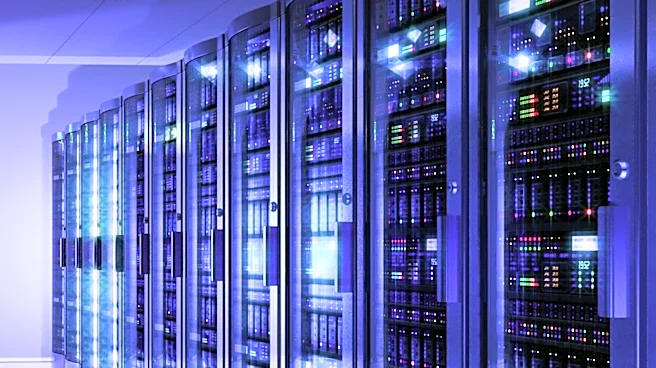
AI is unique because it is self-reinforcing, capable of exponentially improving itself without human input. All this digital machinery requires is raw compute and a relentless supply of electricity. We must figure out how to harness such awesome power, but everyday citizens shouldn't be forced to foot the underlying utility bill whether they use the technology or not.

Who should pay?
We can briefly acknowledge the endless parade of traditional economic development subsidies. Government tax abatements and land giveaways to private corporations are a form of state-sponsored corporate welfare that picks winners and losers. Yet, because almost every state economic development agency reflexively hands out tax breaks to land the next mega-project, those deals keep happening anyway.
Where we can actually block and tackle, however, is on the energy grid. Private technology companies should pay for their own power generation, substation expansions and transmission lines. They can easily bake those capital expenses into the prices they charge their end users. That is how free enterprise is supposed to work. Consumers who take advantage of AI tools pay for them, while the citizen who never touches a computer isn't forced to subsidize someone else's server rack.
The hidden subsidy
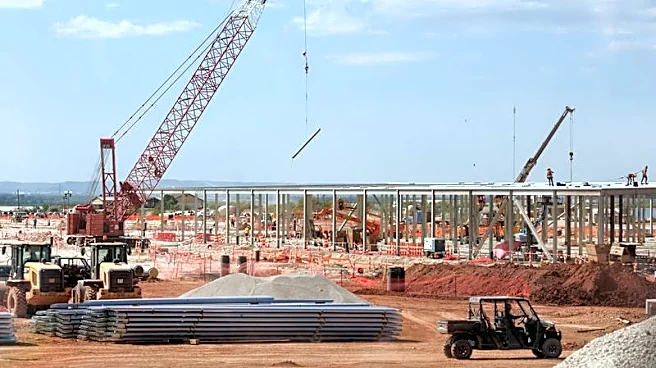
If you dislike government-directed wealth redistribution, you should be equally skeptical of how electric monopolies operate. Major investor-owned utilities function under a model where guaranteed profits are tied directly to an authorized return on physical assets, a process known as rate-basing. When state-regulated utilities build billions in new infrastructure for massive data centers, those capital costs are bundled into the rate base and charged directly to retail customers.
The Tennessee Valley Authority uses a structurally different wholesale price-setting mechanism, but the downstream reality for your wallet is similar. The TVA functions as a wholesale generator that bundles capital costs into the wholesale rates charged to roughly 150 local power companies.
Those local distributors, like Nashville Electric Service, then pass the financial burden straight to residential ratepayers. Studies indicate data centers consumed4.4% of national electricity in 2023, a figure expected to triple soon. Whether through rate-basing or wholesale rate adjustments, these massive infrastructure expenses are easily saddled onto captive consumers.
A win for ratepayers
To their credit, utility providers are starting to recognize the massive economic distortion this creates, and the Tennessee Valley Authority, for one, is actively attempting to mitigate the damage.
In a rare victory for everyday ratepayers, the TVA boardunanimously approved a new rate structure during its quarterly meeting in Memphis. The nation's largest public utility is raising electricity rates for tech facilities by roughly 10%, explicitly separating data centers from traditional manufacturing customers to ensure these massive computational facilities pay for the specific system builds they require.
The TVA even recently signed onto a federalRatepayer Protection Pledge, demanding that major power users fully finance the energy infrastructure their operations require without imposing those crippling capital costs on local families. It is a necessary structural change, especially considering that data centers comprisednearly 20% of industrial load for the TVA last year and are projected to double by 2030.

Price it honestly
Monopolies, much like corporate welfare, are terrible economic ideas. Considering it is 2026 and our handheld computers can now hold natural conversations with us, we ought to be smart enough to figure out how to introduce actual market competition into energy generation and distribution. But short of completely rewriting American utility law overnight, the immediate solution the TVA is pioneering is strikingly simple and economically sound.
Trillion-dollar tech conglomerates will hate this idea, and their high-priced lobbying firms will fight it tooth and nail. Assessing full infrastructure costs to data centers will naturally make compute more expensive and drive up the price of consumer-facing AI products.
But that is precisely the point. When market prices accurately reflect the true, un-subsidized cost of energy, it slows down runaway adoption just enough to give human workers, regulators and communities a moment to catch their breath and figure out how to handle the broader societal disruption.
Let Big Tech companies pay their own bills
Asking the public to subsidize AI energy pricing by underwriting grid expansion creates a double penalty for average Americans. It forces ratepayers who may never use the technology to pay for Big Tech’s electricity, while simultaneously accelerating the very automation that threatens to disrupt their livelihoods.
We cannot and should not stop technological progress. The future is arriving whether we like it or not, and the machines will get smarter. But as these tech giants build out their digital empires, the least we can do is ensure they pay their own power bills.
USA TODAY Network Tennessee columnist Cameron Smith is a Memphis-born, Brentwood-raised recovering political attorney who is raising four boys in Nolensville with his particularly patient wife, Justine. Send outrage or agreement to smith.david.cameron@gmail.com or @DCameronSmith on X. Agree or disagree? Send a letter to the editor at letters@tennessean.com.
This article originally appeared on Nashville Tennessean: Big Tech should pay AI power bills, not Tennessee ratepayers | Opinion