
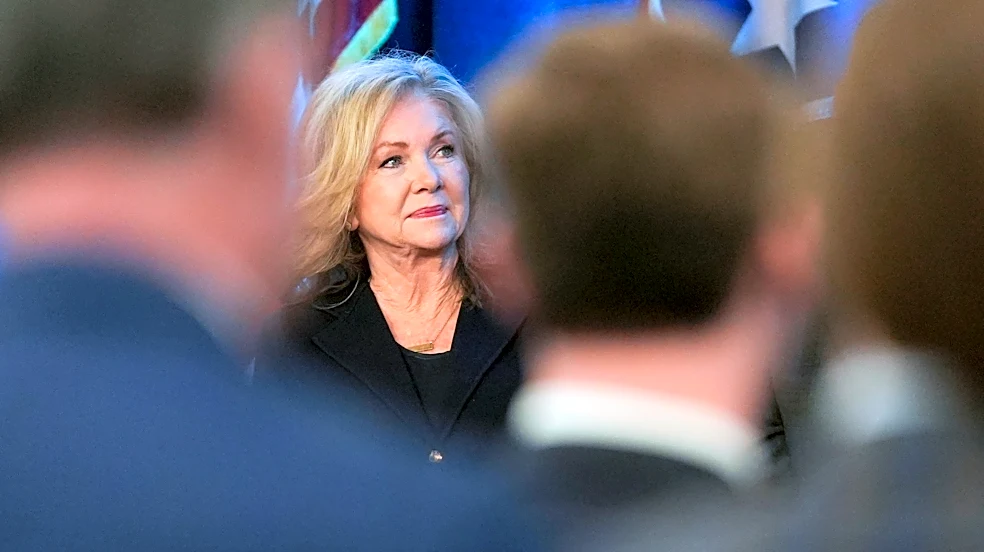

This story is an installment in The Tennessean's Q&A series On the Issues, where we asked the leading gubernatorial candidates to weigh in on some of the most pressing issues Tennessee’s next governor will face.
Tennessee is one of 12 states that still collects taxes on groceries, and the state sales tax rate is 4% — one of the highest in the country.
On the other hand, more than half of the corporations operating in Tennessee pay no state income taxes, according to an analysis by the nonpartisan think tank ThinkTennessee. Corporate taxes accounted for about 4.4% of Tennessee’s revenue in August 2026.
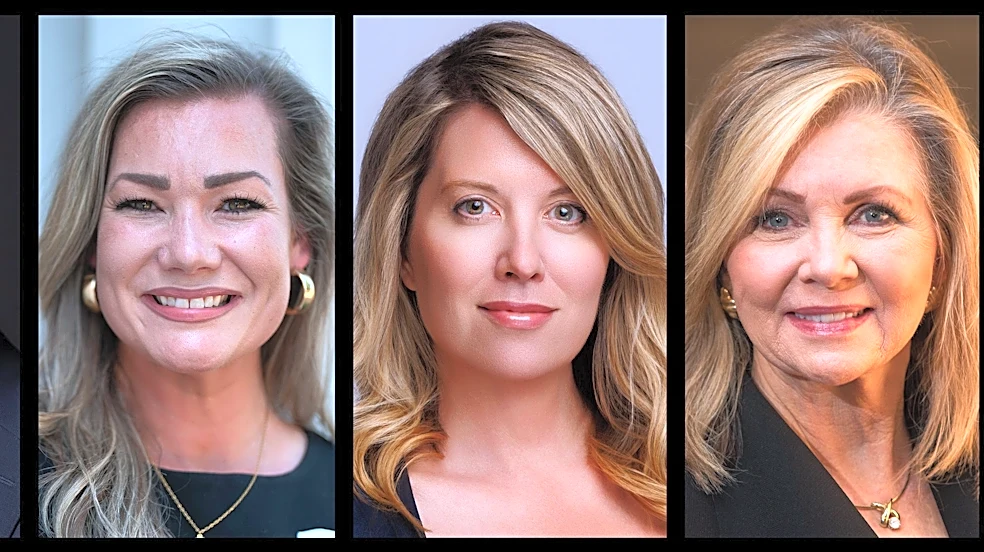
We got responses from all four candidates polling over 1%: Republican nominee U.S. Sen. Marsha Blackburn, Democratic nominee Jerri Green, independent
candidate David Hatley and independent candidate Lauren Pinkston.
Here’s what each gubernatorial candidate says about Tennesseans' tax burdens.
As governor, would you work to eliminate the state’s grocery tax or reduce it? If not, why not?
GREEN: We’ve stated from the beginning of our campaign that we need to end the grocery tax and put the taxes back on corporations and billionaires. Groceries are the most costly expense for Tennesseans right now, and because of failed Republican policies, families are feeling the squeeze of inflation. I believe in a budget that reflects our values by putting the basic needs of Tennesseans ahead of corporate interests or bureaucratic convenience.
BLACKBURN: During my time in the state legislature, I took on members of my own party to make certain that Tennessee would never have a state income tax. Now, Tennessee is one of the least-taxed states in the nation — and we have experienced amazing growth because of it. As governor, I will continue to fight for low taxes. The first thing that I will do in office is put our government on a GLP-1, a government-lessening plan, so that we can skinny-up our operation and pass those savings onto the taxpayer. I will also fight for property tax relief, particularly for senior citizens and relief for first-time home buyers. I will always work to find a way to remove taxes that Tennesseans pay.
PINKSTON: Yes. As governor, I'll work to eliminate the state's 4% tax on groceries. Right now, more than half the corporations operating in Tennessee pay no income tax, while families pay sales tax on every loaf of bread. With more than 40 Tennessee counties bordering states with cheaper groceries, cutting the grocery tax would keep shoppers spending here instead of crossing state lines. Ending the grocery tax will cost the state about $800 million a year, so it has to be done responsibly. Between closing affiliate loopholes, slowing unnecessary incentives for large corporations benefiting from our income tax haven and keeping shoppers in our border counties, we can cover the cost without raising anyone's taxes.
HATLEY: Yes. I will eliminate the state sales tax on groceries. It’s the one tax every family pays every week, and it hits hardest on families with the least room in their budgets. Eliminating it puts roughly $400 a year back in the average family’s pocket. It costs the state about $800 million a year, and I’ll pay for it by cutting waste in a $59 billion budget.
As governor, would you work to close certain corporate tax loopholes to require corporations to contribute more proportionally to the state’s finances, in parity to Tennessee families?
GREEN: Yes. We leave an estimated $43-57 billion dollars on the table every year from corporations that pay little to zero taxes that could go back to our communities. Meanwhile, taxes continue to rise for everyday Tennesseans and wages are stagnant.
PINKSTON: Yes. Tennessee families pay sales tax on nearly everything they buy, including groceries, while more than half of the corporations operating here pay no state income tax at all. Corporate taxes made up only about 4.4% of state revenue this August. That isn't a fair split. As governor, I'd start by closing the affiliate business tax loopholes that let large companies shift their profits to related businesses in other states so they don't pay taxes here. Small businesses on Main Street can't do that, and they shouldn't be the only ones paying their full share. I'd also slow down the tax incentives we hand to large corporations that already benefit from Tennessee's low taxes and business-friendly climate. And when big developments and data centers put new strain on our roads, water systems and power grid, they should help pay for it, not leave the bill to local taxpayers. I'd use those dollars to help end the state's 4% grocery tax, which would put money back in the pocket of every family in Tennessee. I oppose a state income tax, and I want Tennessee to stay a great place to do business. Fairness just means everyone pays their share.
HATLEY: I’d start with the giveaways. Tennessee has been buying jobs with tax abatements, and I would rather earn them. Those breaks shift more of the load onto the Tennessee businesses already paying their share. Data centers are the clearest case. I’d put Tennesseans first and only bring deals that benefit us all, not the politicians.
Blackburn did not respond.
Generally, do you feel that it’s fair for families to pay more proportionally in taxes than businesses do?
GREEN: No. While major corporations bring in multi-million dollar revenues every year, they should pay proportionate taxes. Low-income families pay higher taxes than corporations in our state. That's backwards.
PINKSTON: No, I don't think it's fair, and most Tennesseans don't either. Because Tennessee has no income tax, we rely heavily on sales tax. That means a working family pays tax on almost everything it buys, and those taxes take a much bigger share of a modest paycheck than they do from someone with more income. According to the Institute on Taxation and Economic Policy, Tennessee's lowest-income families pay more than three times the share of their income in state and local taxes that the wealthiest 1% do. Meanwhile, many large corporations use loopholes and incentives to pay little or nothing in state taxes. I want to be clear that businesses aren't the problem. Small businesses already carry their share, and they create most of the jobs in our communities. The problem is a system that lets the biggest players avoid what everyone else pays. I'm not interested in a state income tax or in punishing success. I want a tax system where a family buying groceries and a corporation earning profits in Tennessee both pay their fair share. That's the kind of balance most people would call common sense.
HATLEY: No. Families shouldn’t be carrying a heavier load than businesses, and property taxes show how it happens. Tennessee property taxes rose more than 75% from 2019 to 2025, and no other state was above 75%. Tennessee is also one of just four states with no statewide cap on assessments, rates or levies. And because home values are rising much faster than business property, more of the burden lands on homeowners every year. From 2019 to 2023, residential property owners paid 22% more in property taxes while businesses paid 5.1% more. I’d cap annual property tax increases at 5% unless voters approve more, require shorter and more predictable reassessments, and back a constitutional homestead protection so the burden stops shifting onto Tennessee homeowners. And I’d eliminate the grocery tax, the one tax every family pays every week.
Blackburn did not respond.
This article originally appeared on Nashville Tennessean: On the Issues: Will TN's next governor end the 4% grocery tax?