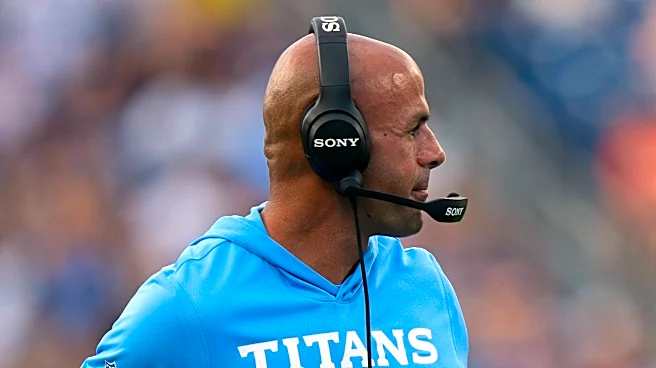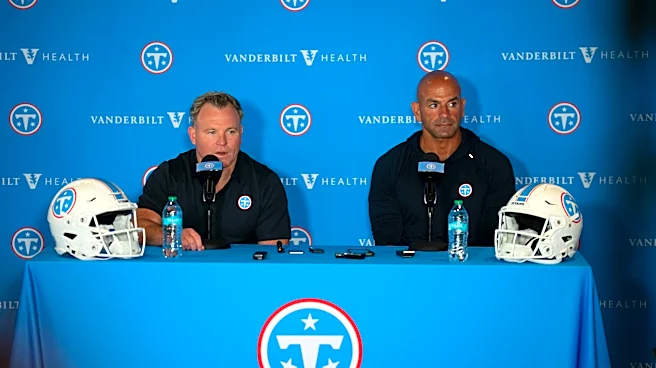

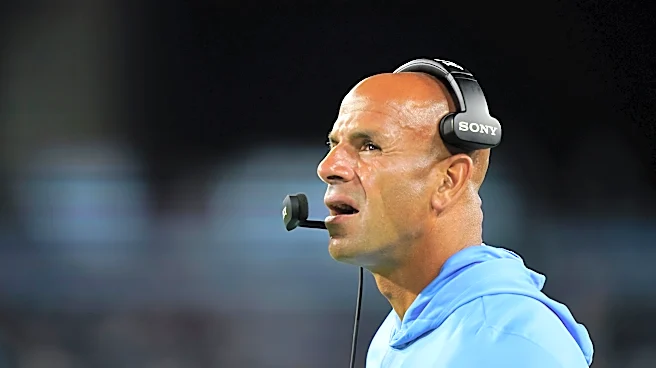
It's easy to get caught up in the particular names (ahem, Xavier Restrepo), but let's try to take a look at what the full extent of the Tennessee Titans' initial 53-man roster tells us about what the team thinks of itself under coach Robert Saleh and general manager Mike Borgonzi's partnership.
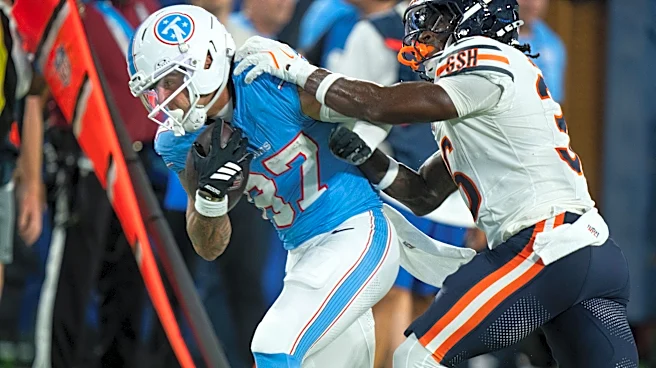
Coming out of NFL roster cut day, the Titans are notably young. Twenty-one of the players, including six projected starters, are in their first or second years as pros. The median player on this team is still on a rookie contract. And this creates a philosophical divide at some of the depth spots that emphasizes youth and development over pro experience in an unexpected way.
The first available backups at running back, wide receiver, tackle, guard, defensive
end, inside linebacker and cornerback all will be first- or second-year players with limited playing experience.
Some of the flock of veteran rentals who the Titans signed in the offseason remain on the squad. For example, defensive linemen Solomon Thomas and Jordan Elliott, safety Tony Adams and offensive tackle Austin Deculus. But just as many of the players who fit that bill ― guard Cordell Volson, receiver K.J. Osborn, defensive end Malik Herring, running back Michael Carter ― are on the street.
For much of the offseason, it looked like the Titans would prioritize veteran depth behind a young starting lineup. But the arrangement of this initial 53 portrays a team that's confident with leaning on young depth behind young starters. This is most evident on the offensive line, where the second string of contributors is comprised of rookie Pat Coogan and second-year players Brandon Crenshaw-Dickson, Jackson Slater and Garrett Dellinger, as well as Deculus. The same trend can be noticed at receiver, where the only available depth pieces are second-year players Elic Ayomanor, Chimere Dike and Restrepo.
Don't forget, of course, the Titans also are starting rookies at receiver (Carnell Tate) and on the offensive line (guard Fernando Carmona Jr.).
As easy as it was to crack the jokes about Borgonzi, Saleh and offensive coordinator Brian Daboll bringing in their former disciples to fill out the roster, these decisions aren't even that simple. Carter played for Saleh with the New York Jets. Herring was part of the Kansas City teams Borgonzi helped build. Borgonzi even parted ways with one of his own draft picks for the first time, releasing RB Kalel Mullings.
Now, remember: There are 17 spots on the practice squad and it's easier to bring back a veteran not subject to waivers (Carter, Herring, Osborn, Volson) than it is a younger player who can be claimed elsewhere. The plan very well could be to take advantage of game-day activations available to the squad early in the season and protect young talents from waivers with handshake deals agreed on by the front office and the veterans.
Even then, consider the position battles that headlines so much of training camp. Carmona won out over Volson at guard. Truman Jones snagged a spot away from Herring as a depth piece at defensive end. Restrepo took a spot some thought was earmarked for Osborn or Bryce Oliver. The only "preseason competition" that was obviously won by a veteran over a young player was Austin Schlottmann beating out Pat Coogan at center, and it's pretty clear that was never actually a competition to begin with.
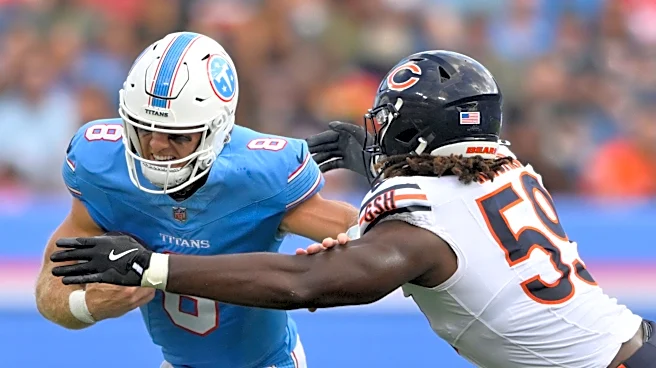
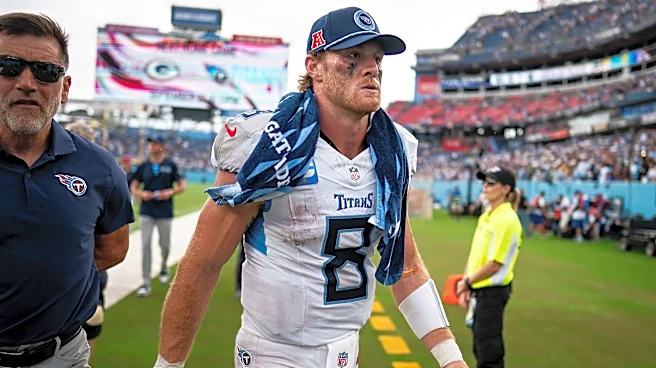
When Saleh said after the Titans' preseason finale against the Chicago Bears that he's putting his job on the line betting on how good quarterback Cam Ward can be, the same can be said about maybe a dozen other young players. This is the group that'll have to be good enough to compete when the timeline reaches the point the Titans will be expected to start winning regularly, and that group is going to get every opportunity to learn on the fly, by the looks of this roster.
Nick Suss is the Titans beat writer for The Tennessean. Contact Nick at nsuss@gannett.com. Follow Nick on X @nicksuss. Subscribe to the Talkin’ Titans newsletter for updates sent directly to your inbox.
This article originally appeared on Nashville Tennessean: What Titans are telling us with their first 53-man roster