



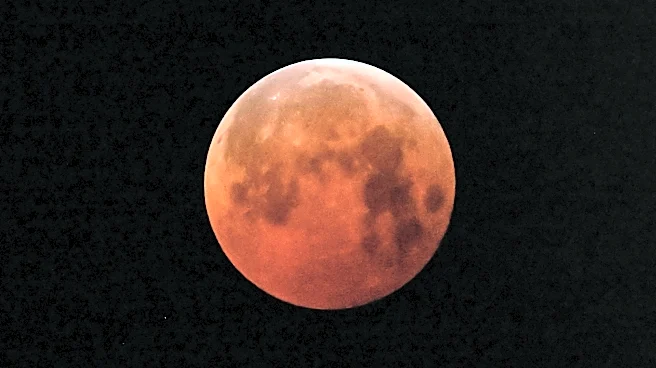
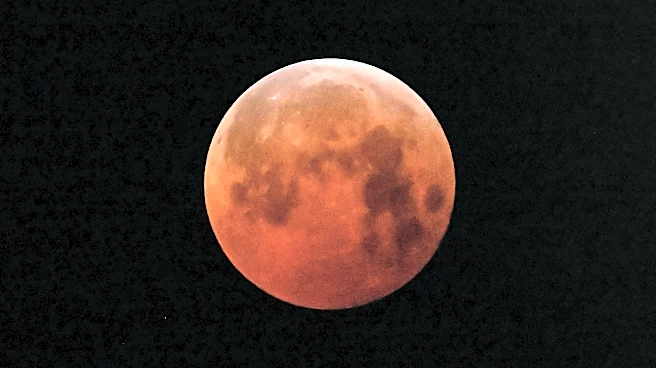
Skywatchers, get ready: a partial lunar eclipse will light up the night sky Aug. 27.
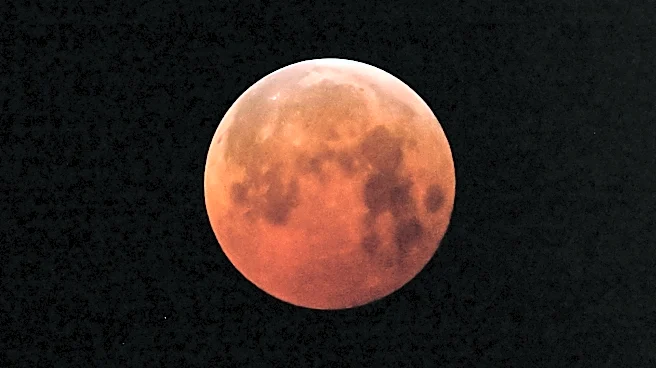
A partial lunar eclipse occurs when only part of the moon passes through Earth's darkest shadow, known as the umbra. Because the sun, Earth and moon are not perfectly aligned, only a portion of the moon is covered, causing part of its surface to appear darker and reddish.
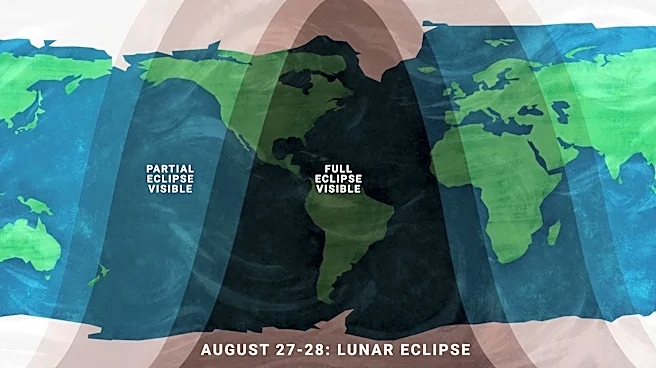
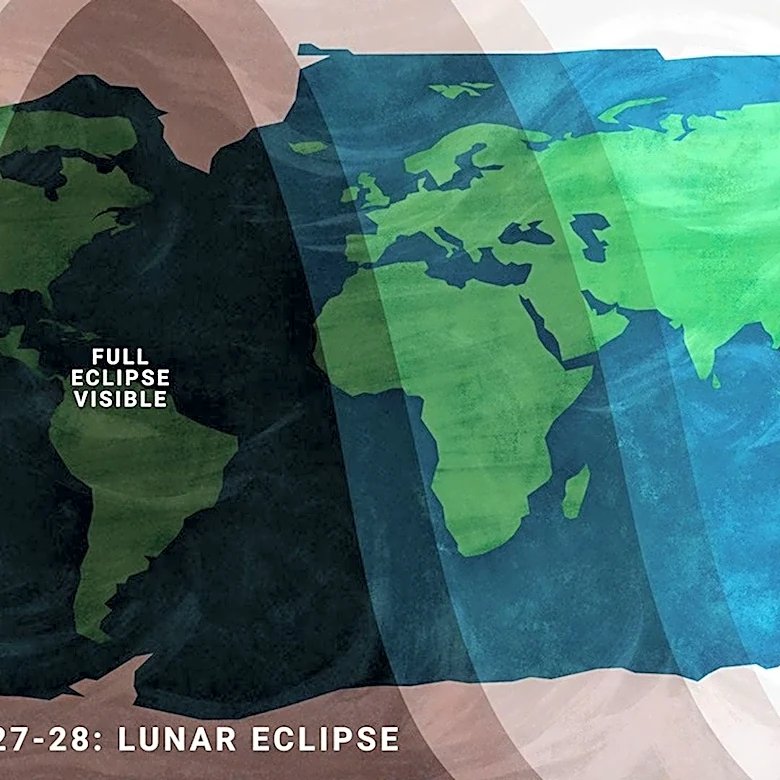
The good news for stargazers is that the eclipse will be visible across the Americas, meaning Tennesseans and others nationwide will have a chance to watch the celestial event.
Here's everything to know.
When is the partial lunar eclipse?
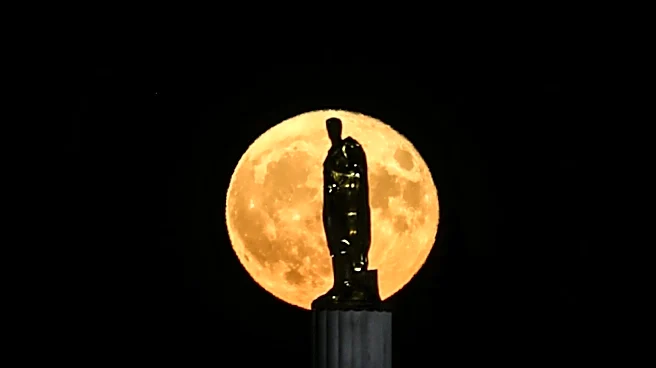
The partial lunar eclipse will take place Aug. 27-28. It will coincide with August's full moon, also known as the Sturgeon Moon.
The eclipse will begin at 8:23 p.m. CT, according to Time and Date.
It will reach maximum eclipse when the moon is most covered, on Aug. 28, at 11:12 a.m. CT.
What will the partial lunar eclipse look like? Will it be a blood moon?
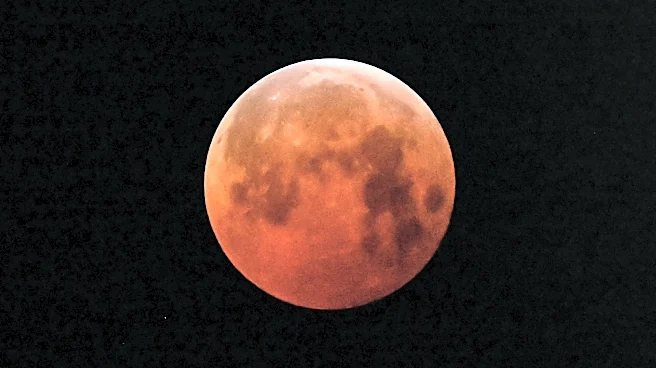
A total lunar eclipse is commonly called a Blood Moon because the moon takes on a reddish hue.
During a partial lunar eclipse, however, only part of the moon moves into Earth's shadow, causing that portion to appear darker, according to StarWalk. The eclipsed part of the moon appears red because sunlight is refracted and scattered through Earth's atmosphere, allowing primarily red-colored light to reach the lunar surface.
"At maximum eclipse, about 93% of the Moon's diameter will be inside Earth's dark central shadow, called the umbra," reported NASA. "The Moon will not be completely covered, but it can look dramatically darkened, with a rusty, coppery tint along the covered edge."
Will the partial lunar eclipse be visible in Tennessee?

The partial lunar eclipse will be visible across Europe, Africa, western Asia and the Americas, meaning viewers in both the Northern and Southern hemispheres will be able to see it, according to NASA.
Skywatchers in Tennessee will get a glimpse of the eclipse.
Is special equipment required to see the eclipse?
Unlike a solar eclipse, a lunar eclipse is safe to view with the naked eye. While no special equipment is needed, binoculars or a small telescope can provide a closer look at Earth's curved shadow as it moves across the moon.
Diana Leyva covers trending news and service journalism for The Tennessean. Contact her at Dleyva@gannett.com.
This article originally appeared on Nashville Tennessean: Is there an eclipse tonight? Partial lunar eclipse creates 'almost blood moon'