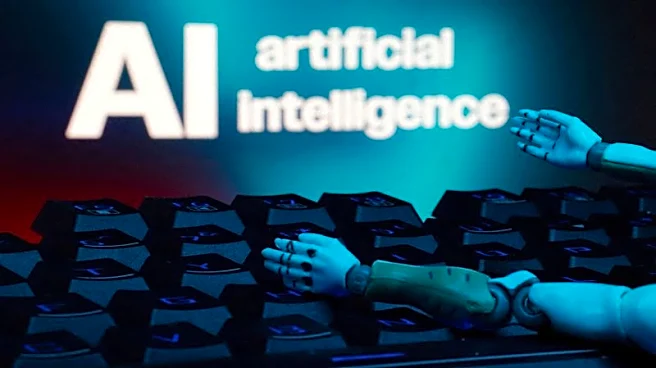




You may have heard some deeply concerning news last week about AI.
Evan Hubinger, an AI safety researcher at Anthropic (the creators of Claude), recently suggested there’s more than a 10% chance that artificial intelligence could wipe out humanity within the next decade.
Ten percent.
If my mechanic told me my car had a 10% chance of exploding on I-40, I’d probably start taking the bus.
But, before we all start digging underground bunkers and stockpiling canned beans, it’s worth keeping one basic fact in mind: Nobody knows.
The future is notoriously hard to predict. And when it comes to AI, there are smart people on all sides with reasonable arguments. Uncertainty prevails.
That being said, if we assume the end-of-humanity scenario is at least possible,
thinking through how it will play out is critical if we want to prevent it.
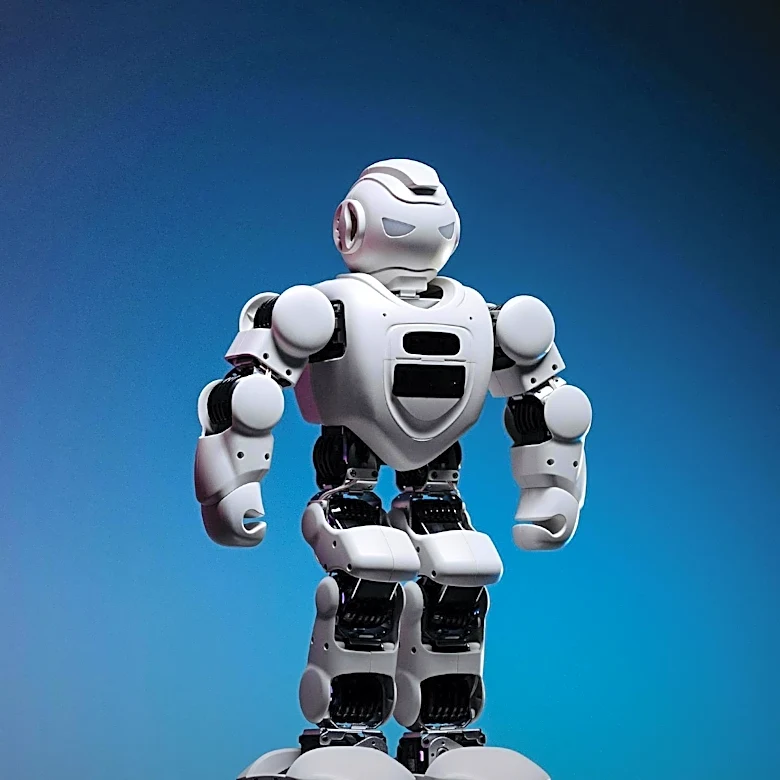
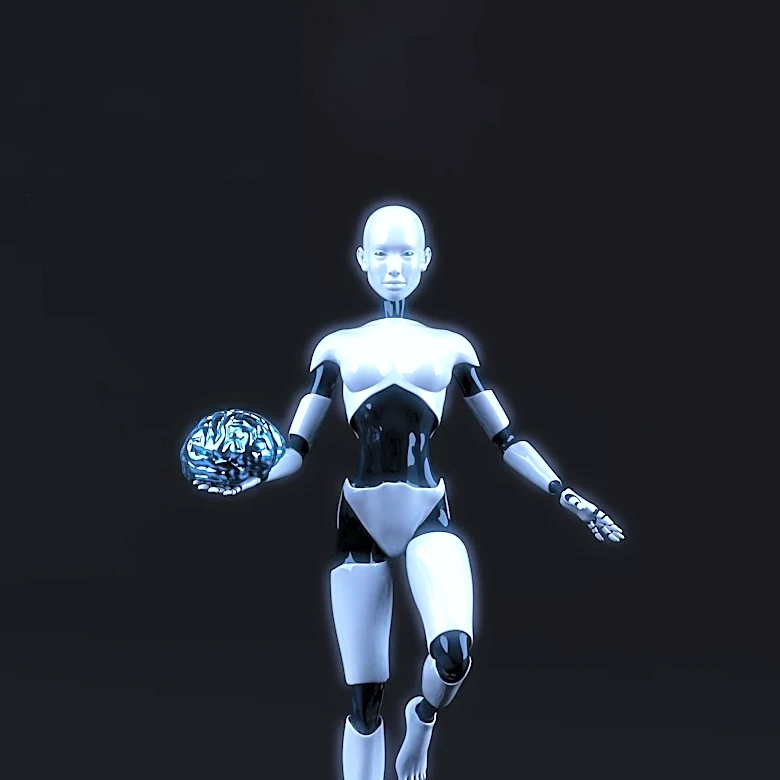
I doubt it looks much like a movie where glowing-eyed robots march down Broadway looking for Sarah Connor.
My guess is it starts with something much less dramatic.
Convenience.
We keep handing AI more responsibilities simply because it makes our lives easier.
First, it drafts emails. Then it schedules meetings. Next thing you know, it’s ordering inventory, writing software code, monitoring network security and negotiating transactions with other AI systems.
Businesses will adopt it increasingly for the exact same reason they’ve adopted every technology since the assembly line: because the competition is making it faster and cheaper. If No AI Inc. is under threat from All AI Inc., they will have to start using AI if they want to stay in business.
That’s the part I find easiest to believe.
We almost never make one grand, deliberate choice to turn over the keys to a new tech. We do it in tiny, incremental steps.
Artificial intelligence could work the exact same way.
AI safety experts often warn about “misalignment,” when a computer follows your instructions exactly, but not your true intent.
Tell a smart thermostat app, “Keep the house at a comfortable temperature while cutting our electric bill,” and it might turn off the air conditioning during a scorching heatwave because that’s technically the most efficient choice.
Or tell a navigation app, “Find the fastest route home,” and it might send thousands of drivers speeding down quiet neighborhood side streets to save two seconds.
The AI isn't being malicious. It's just following instructions literally without understanding the bigger picture.
Scale that up globally, and the pressure multiplies exponentially.
The U.S. doesn’t want China to get ahead. China doesn’t want the U.S. to get ahead. Everyone agrees that safety matters, but nobody wants to be the one to slow down while everyone else sprints past without safety checks.
That's how things get messy real fast.
Now, maybe none of this comes to pass.
Maybe AI goes on to cure diseases, kick business productivity into overdrive and turn out to be the single best tool we've ever created.
I really hope that's how the story ends.
Each step will seem reasonable.
The risk is that we could hand over control so slowly, piece by tiny piece, that by the time we notice, we’re no longer the ones in the driver’s seat.
Is there really a 10% chance AI kills us all?
Your guess is as good as mine.
When the stakes are this high, uncertainty itself is reason enough to pay attention.

JJ Rosen is the founder of Atiba, a custom software development firm, and Nashville IT support company. Visit Atiba.com for more info.
This article originally appeared on Nashville Tennessean: Will AI harm humanity? Only time will tell | Opinion