

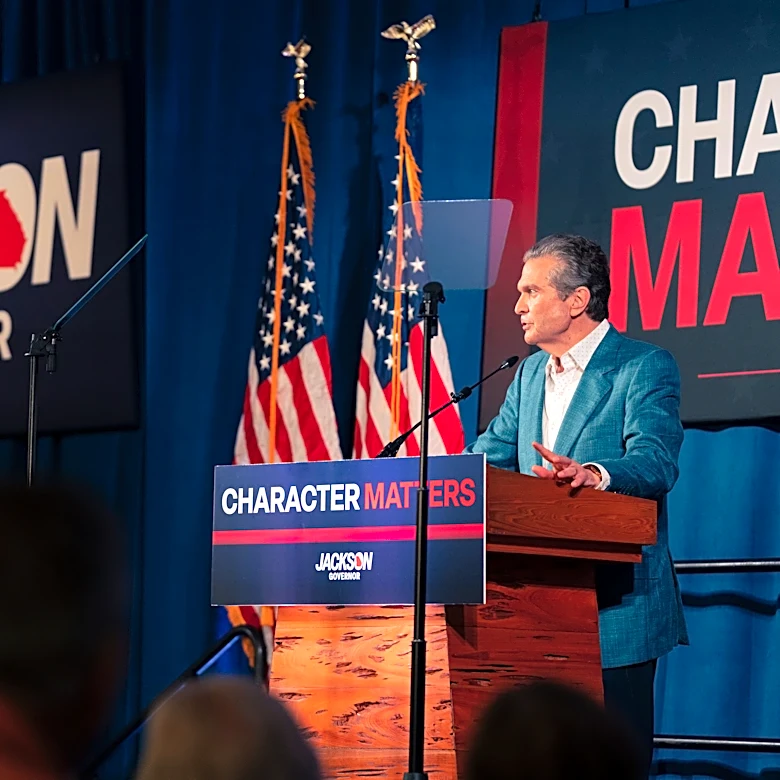
By the looks of it, the majority of the over 4 million registered voters in Tennessee have so far been denied access to a core pillar of our democracy: the right to a political debate for the state's highest office.
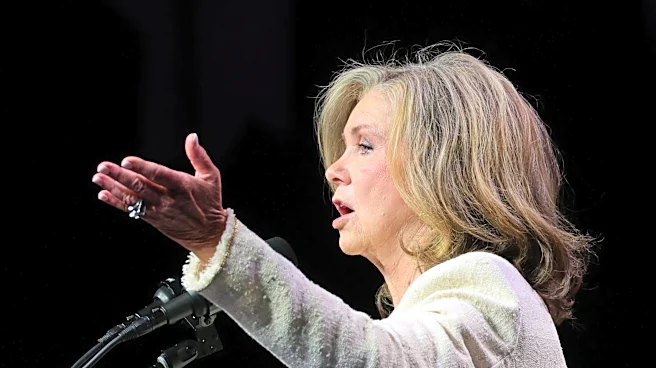
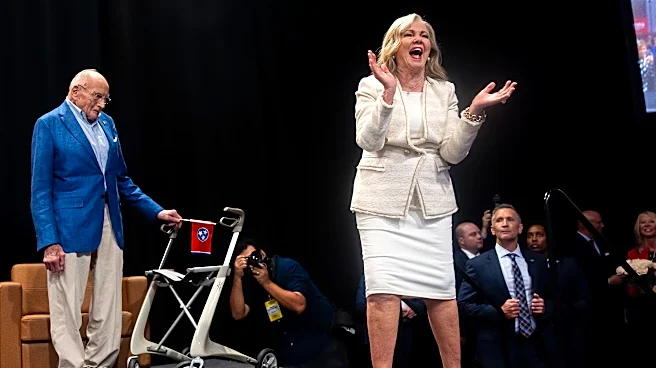
I wrote about this issue more than a month ago, just days after the gubernatorial primary where we learned that U.S. Sen. Marsha Blackburn and Memphis City Council member Jerri Green, the Republican and Democratic nominees, are set to square off in the Nov. 3 general election.
With less than 50 days left before the election, none of the major-party candidates have engaged in any sort of debate, especially one candidate in particular.
Did they participate in forums and discussions? Yes.
But not a standard televised debate before the public,
where each candidate, including independent candidates on the ballot, gets to share plans for the state should they be elected. We would get to learn the breadth, depth and feasibility of their platforms through this necessary stress test.
As voters, we need more information before we go to the polls.
So far, we haven't gotten anything of the sort.

Voters deserve more than campaign talking points
What we have from candidates are talking points and ideals. In Blackburn's case, those include economic growth, public safety and crime, border security and immigration, protecting women's sports, cutting taxes to bolster the economy, protecting children and confronting communist China.
For Green, they include support for working families, strong public schools, health care access, common-sense laws, and clean air and safe water. To Green's credit, her platform provides specific details. Plus, she and independent candidates Lauren Pinkston and David Hatley have pushed Blackburn to debate, but the U.S. Sen. has refused.
With both major-party candidates, we know the what, but not enough of the how.
How do they plan to implement these intentions into real, actionable programs that improve the lives of Tennesseans? We may never know until after our votes are cast.
Tennessee voters have been left out of the conversation as affordability issues continue to affect our lives.
Tennesseans are facing real economic pressures
The data are clear: Tennesseans are paying more than ever for basic necessities such as housing, food and gas.
While companies continue to relocate to Tennessee in what appears to be an economic boom, everyday residents are not sharing in those benefits.
Tennessee homeowners are paying through the nose in property taxes. The nonprofit Beacon Center of Tennessee found that the state has had the highest percentage increase in property taxes in the country over a six-year span, with increases exceeding 75%.
Despite Tennessee's economy producing higher wages and incomes since 2019, skyrocketing housing, child care and other living costs mean roughly 4 in 10 households still struggle to afford basic necessities, reported the Sycamore Institute. Further, nearly 943,000 Tennesseans remain in poverty.
Feeding America reports that 1 in 5 children faces hunger in Tennessee.

The stakes are highest for Tennessee's most vulnerable communities
About 28.7% of Tennesseans spend 30% of their monthly income on housing, utilities and related costs. In Nashville, that number jumps to nearly 50%, according to a Metropolitan Social Services report released earlier this year.
For the poorest ZIP codes in our state, these problems are even more acute. Health care access in rural Tennessee has greatly diminished over the course of the 2000s, with 19 rural hospitals considered at risk of closing, representing 36% of Tennessee's rural hospitals, and 12 of those hospitals are at immediate risk of closing, states this Becker’s Hospital Review report from July.
Taken together, these data suggest that the average Tennessean is poorer, hungrier, more financially strained and has less access to health care.
So the question remains: How are the candidates for the governor's office meaningfully trying to address these concerns?
Further, how do you feel about the fact that neither major-party candidate has engaged in a televised public debate with just weeks left in the election?
Take our poll and sound off.
Tacuma R. Roeback is The Tennessean’s community engagement and opinion editor. Reach him at troeback@gannett.com or follow him onX,Bluesky orLinkedIn.
This article originally appeared on Nashville Tennessean: Should Tennessee's governor candidates debate? Take our poll | Opinion