

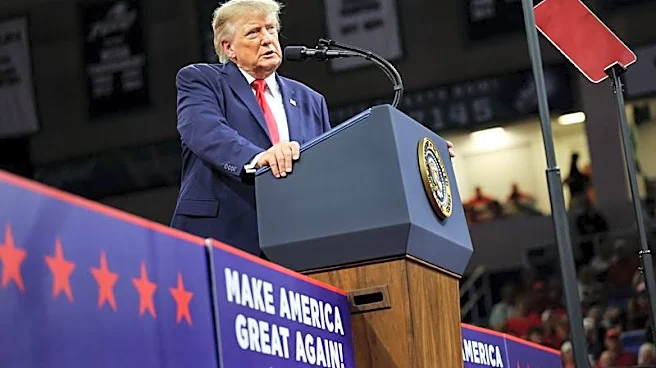

Are we great yet?
It’s a fair question, considering how often Americans have been promised greatness. Lower prices, bigger paychecks, economic prosperity. We were told relief was coming. But nearly two years into Donald Trump’s second presidency, many working families are still waiting to feel it.
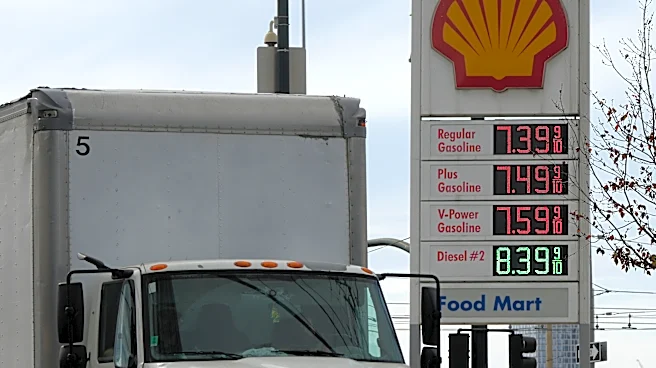
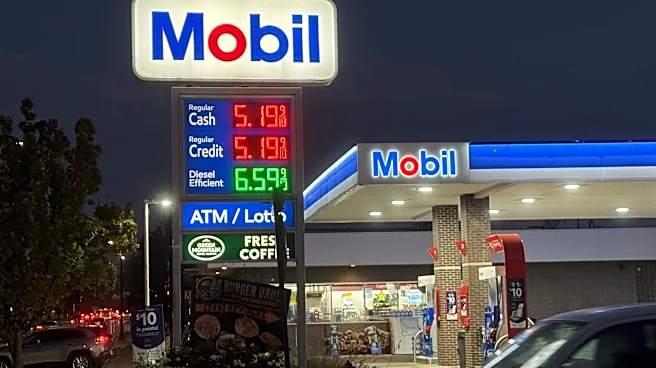
Political slogans are easy to print on a hat. They are considerably harder to reconcile with a grocery receipt. According to AAA, regular gasoline in Tennessee averaged $3.81 per gallon on Oct. 26, compared with $2.61 a year ago. For someone filling a 15-gallon tank every week, that’s nearly $1,000 more annually. A thousand dollars. Gone. Just like that. Not toward vacation, a college fund or a family emergency. Just toward getting to work.
Meanwhile,
the Bureau of Labor Statistics reported that inflation-adjusted average hourly earnings fell 0.7%between September 2025 and September 2026. What good is a bigger paycheck if it buys a smaller life?

There's been economic improvement, but not enough
As a working mother and college student, I understand that earning extra money isn’t always as simple as picking up another shift at a restaurant. My husband and I coordinate our schedules around childcare because daycare is expensive. There are groceries to buy, bills to pay and a little boy to raise.
Sometimes the question isn’t how to get ahead. It’s how to stop falling behind. And I know we are hardly the only family doing this financial gymnastics. Across Tennessee, parents are weighing the cost of childcare against their earnings. Young adults are wondering whether they’ll ever afford a home. Workers are taking additional shifts, not necessarily to improve their lives, but just to be able to maintain the ones they already have.
This isn’t what economic prosperity is supposed to look like.
Of course, the picture is complicated. Inflation surged during Joe Biden’s presidency, leaving Americans with prices considerably higher than before the pandemic. And not every economic indicator under Trump is negative. Grocery prices, for example, have risen at a much slower pace than they did during the inflation surge earlier this decade, with grocery inflation at just 1.8% over the past year. That’s progress worth acknowledging.
But slower inflation doesn’t mean prices have returned to where they were. Trump campaigned on restoring affordability, even expressing an ambition to cut energy bills in half within 12 months. Those were ambitious promises. Americans have every right to ask how the results compare.
How we should be discussing the economy
No president controls every grocery price, mortgage rate or gallon of gasoline. Global markets, supply chains and economic conditions matter. But if politicians are willing to claim credit when the stock market climbs, they should also be willing to answer difficult questions when household budgets tighten.
And perhaps that’s the problem with how we discuss the economy. We celebrate market records and economic growth while overlooking the people who cannot afford an unexpected car repair. We argue about which administration deserves the blame while ordinary Americans keep paying the bills.
Maybe we should spend less time asking whether America is winning and more time asking who can actually afford to live here. This isn’t about demanding luxury. It’s about being able to work, raise a family, own a home someday and have something left over at the end of the month. These shouldn’t be unreasonable expectations in the wealthiest economy on Earth.
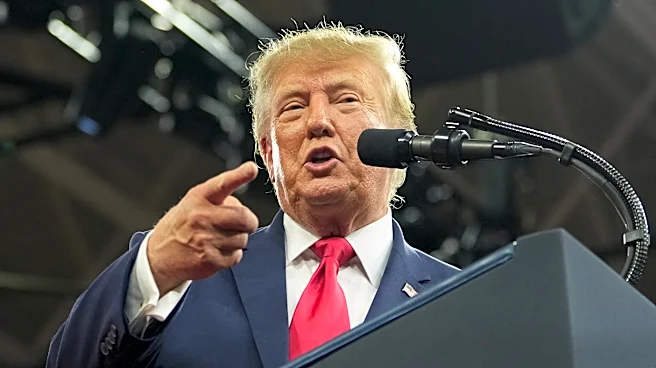
So, are we great yet? Greatness shouldn’t have to be explained at a podium. Americans should be able to feel it in their everyday lives.
Yuliya Halushko is a journalism student at Pellissippi State Community College, a working mother and opinion writer living in Pigeon Forge, Tennessee.
This article originally appeared on Nashville Tennessean: Are we great yet? Rising costs suggest not | Opinion