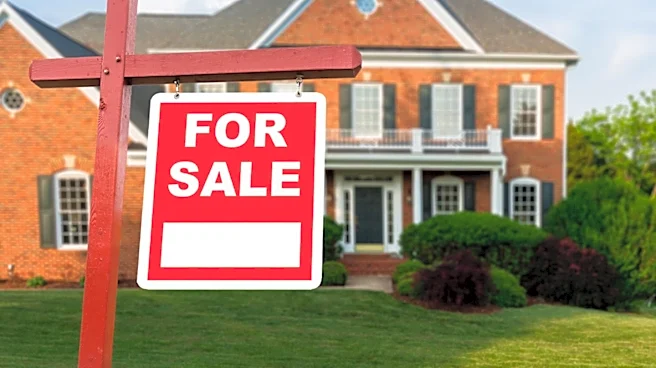










Growing up in Nashville in the early 1990s, my perception of a million-dollar home was one of grandeur and luxury. I pictured an estate in Belle Meade or Green Hills with a swimming pool, tennis court, manicured landscaping and a long driveway leading to a gated entrance.
If you traveled back to Nashville during those years, a million dollars would likely have bought that. In much of the South and Midwest, a million-dollar home marked the beginning of the luxury market. Outside of a handful of coastal cities, it was a price point reserved for the truly exceptional.
Today, that picture looks much different.
Curious just how much it had changed, I took a look at housing data in both Nashville and across the country. What I found was a reminder of
two important realities. First, homeownership has proven to be one of the most effective ways for families to build wealth over time. Second, many of our housing policies have not kept pace with just how dramatically the housing market has evolved since I was a kid.
According to the National Association of Realtors, there were about 1.5 million owner-occupied homes in the United States worth at least $1 million in 2005, representing just 2% of all owner-occupied homes. By 2024, that number had climbed to nearly 6.9 million homes, or 8% of the nation's housing stock.
The differences across the country are striking. In Hawaii, roughly 40% of owner-occupied homes are now worth at least $1 million. The District of Columbia and California each exceed 30%, while Washington, Massachusetts and New York have all seen significant growth as well.
Nashville tells its own remarkable story.
In 2005, Davidson County's median home price was just $149,500, and only 94 homes sold for $1 million or more — less than 1% of all sales. By 2025, the median price had climbed to $475,000, and million-dollar home sales had increased to 1,419, representing 13% of all transactions.
The entry point into Nashville's luxury market hasn't disappeared, it has simply shifted. A million-dollar home is no longer the rarity it once was. In many neighborhoods today, it's simply the cost of buying a larger home in a desirable location.
That shift should also prompt us to reexamine policies that were written for a very different housing market. The federal capital gains exclusion on the sale of a primary residence has remained unchanged since 1997, allowing married couples to exclude up to $500,000 in gains. Today, many longtime homeowners have accumulated well beyond that amount in equity through years of appreciation alone.
Add in the fact that millions of homeowners refinanced into mortgage rates below 3%, it's easy to understand why so many choose to stay put.
As we continue discussing affordability in Nashville, it's important we continue creating opportunities for first-time buyers and working families who are struggling to find an affordable path into homeownership. Expanding housing choices, increasing attainable inventory and modernizing policies that no longer reflect today's market should all be part of that conversation.

Jack Gaughan is president of Greater Nashville Realtors. A Realtor is a member of the National Association of Realtors who subscribes to its strict code of ethics. You can reach Jack at 615-478-0970 or jack.gaughan@gmail.com.
This article originally appeared on Nashville Tennessean: Nashville's million-dollar homes surge as housing market transforms