







Fisk University leaders released a white paper detailing the benefits of the school's plan to build a data center on campus.
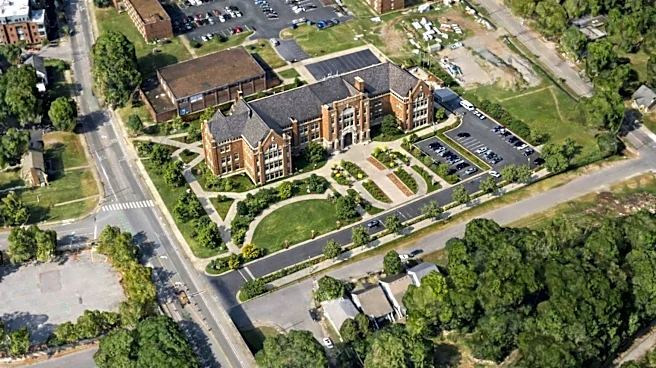
The historically Black, private university unveiled plans in May for a 100,000 square foot data and innovation center
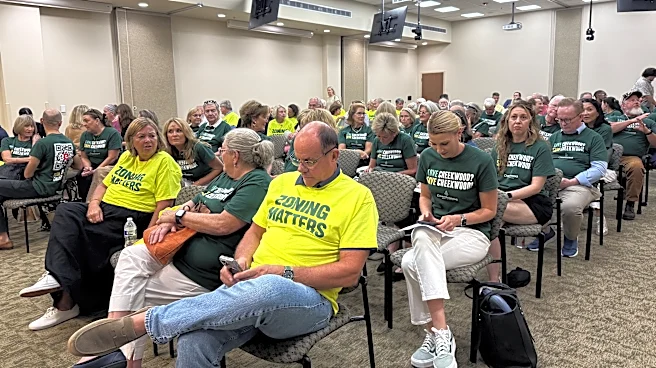
on a five-acre plot on its North Nashville campus. The space will include a 30,000 foot educational center, while the remaining 70,000 feet will be home to a 30 megawatt data center. A tenant for the data center is yet to be named.The move set off widespread pushback and protests across Nashville. City leaders have since put a moratorium on new data center development until Dec. 1 and approved new zoning regulations as controversy stirred around Fisk's plans, along with a new data center that would be in close
proximity to the Nashville Zoo.
The 12-page white paper, released Aug. 19, doubles down on Fisk's previous statements that the center will be built in an environmentally-sensitive way that will limit noise and water and energy consumption, and mitigate negative impacts to campus and the surrounding community.

"Unlike some other data centers that have generated controversy, with outside companies building data centers in lower income areas to exploit access to cheaper land and water and power usage, the Fisk University Data Center will be managed by the university on its own land, with over 150 years of experience and stewardship in the neighborhood," the paper said. "The tenant leasing the data center could bring economic growth to a community historically left out."

The center will also position Fisk as a leader and give students and faculty a competitive edge in technology, research, education, innovation and job opportunities, according to the paper. The liberal arts school offers nine undergraduate majors in science, technology, engineering and mathematics, or STEM, and its largest major is computer science, followed by biology.
"As technology rushes forward, we are at an important juncture," the paper stated. "The world will need leaders with the awareness and know-how of the latest technical developments combined with the cognitive skills to nimbly adapt and ethically solve complex problems."
Fisk hopes the center will draw more students, faculty, grants and partnerships to the university and combat historic underrepresentation of Black scholars in the technology field. When it comes to community benefits, the paper said the data center will create jobs and has the potential to educate others about artificial intelligence and machine learning, or AI/ML for short.

"For a general public both increasingly curious and increasingly nervous about AI, the data center could serve a role as a data outreach and education coordinating center," the paper stated. "It will become a hub for community conversations and action around inclusion and marginalized communities around AI/ML models and research into disparities, bias in data collection and analysis."
The full paper, penned by Fisk's provost and chief academic officer Brian Nelms, dean of humanities and behavior social sciences La Tanya Rogers, and school of graduate studies dean Bryan Kent Wallace, can be found via fisk.edu/news.
Rachel Wegner covers education and children's issues for The Tennessean. Got a story you think she should hear? Reach her via email at RAwegner@tennessean.com. You can also find her on X or Bluesky under the handle RachelAnnWegner.
This article originally appeared on Nashville Tennessean: Fisk University details data center benefits, concerns in new paper