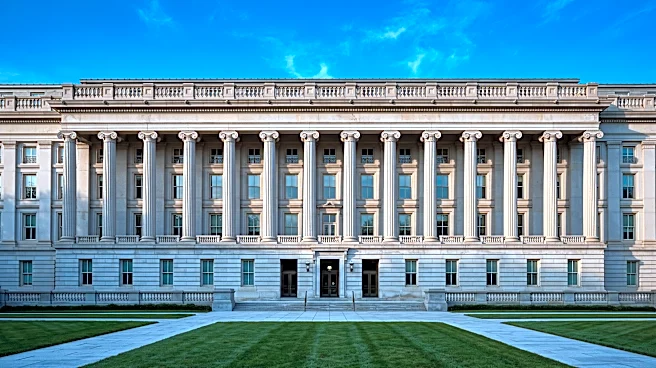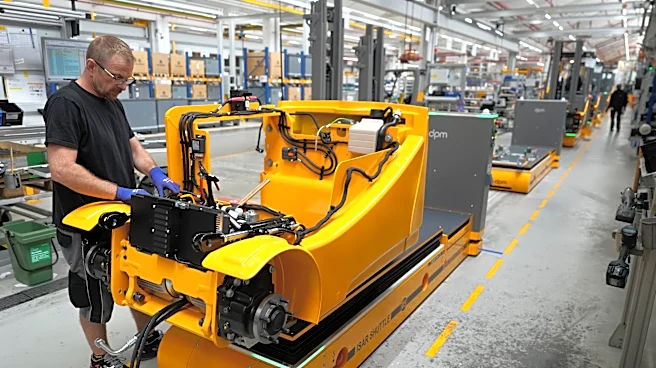





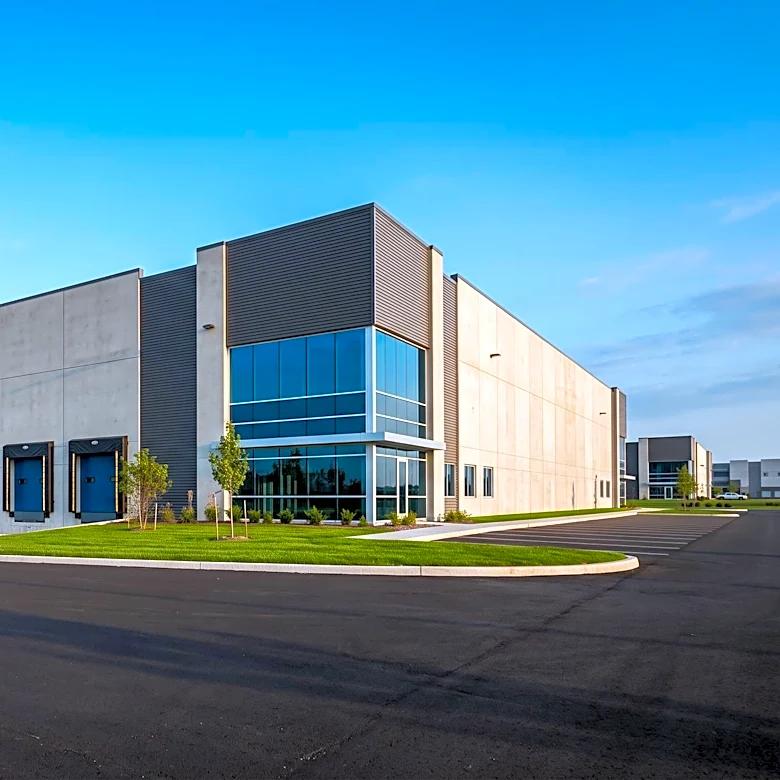



The future of an East Tennessee company that employs about 650 people has come into question after a report said new Trump administration trade measures jeopardized its customer base.
Wacker, located in Charleston in Bradley County, specializes in the production of polycrystalline silicon, commonly known as polysilicon, a material used in solar panels and semiconductor manufacturing.
Reuters, citing sources familiar with the matter, reported that the trade measures caused the company to lose its two remaining customers, raising concerns about the future of the facility.
In response to the report, Wacker Corporate Communications Director Rachel Ufer said the plant will not close despite being adversely affected. "We have no plans to close the Charleston
facility," Ufer said in an emailed statement to The Tennessean Sept. 4.
Here's what to know.
What is Wacker?
Germany-based Wacker is a global company specializing in chemical products. Their main customers are in the automotive, construction, chemical, semi conductor, medical technology and consumer goods industries.
According to the company's website, the Charleston operation represents Wacker's largest single investment, totaling about $2.5 billion, and has created hundreds of jobs in the region.
The company also helped establish the Wacker Institute, a workforce training program developed in partnership with the local community to prepare chemical, electrical, and instrumentation technicians for careers at the plant.
Thecompany cut jobs at its Charleston facility last year, and Chief Executive Officer Christian Hartel warned investors days before the proclamation was announced that Wacker could have "one plant too many" if the anticipated trade action failed to benefit the company.
Will Wacker shut down?
While Ufer said the Charleston plant is not expected to close, she emphasized that the White House proclamation, as currently written, does not effectively support the use of U.S.-made polysilicon.
According to the statement, the company is "actively engaged in constructive discussions with the Administration regarding ways to ensure that the Poly Section 232 framework delivers on its intended objective of supporting a sustainable U.S. polysilicon industry."
"We trust the Administration´s ongoing commitment to support U.S. polysilicon production," continued the statement. "Given these discussions, it is too early to assess the impact on our U.S. polysilicon business."
What does the White House proclamation say?
The move follows a White House proclamation issued Aug. 6 aimed at encouraging the purchase of U.S.-made polysilicon.
"For decades, foreign governments, recognizing the strategic importance of polysilicon and polysilicon derivatives, have designed policies to increase the production of these products in their countries, which have come at the expense of the United States industry," reads the proclamation.
"These policies contributed to global oversupply in polysilicon and polysilicon derivative sectors. As the Secretary found, since 2020 alone, global production of polysilicon has grown by more than 270 percent and inventories reached a record high of 400,000 tons by the end of 2024."
In the proclamation, the White House argues that imports have undermined domestic polysilicon production, pointing to a sharp decline in the United States' share of global polysilicon and semiconductor manufacturing capacity.
It also states that the country relies heavily on imports for critical solar-energy components.
According to Reuters, the trade measures impose a minimum price requirement and tariffs on imported polysilicon ingots, wafers, solar cells and solar panels.
However, the rules apply equally to products manufactured overseas regardless of whether they contain U.S.- or Chinese-made polysilicon.
Reuters reported that the policy preserves a competitive disadvantage for U.S. producers because American polysilicon can cost as much as four times more than competing products, according to market research firm Bernreuter Research.
Sebastian Bray, head of chemicals research at European private bank Berenberg, told Reuters that Wacker is likely to close one of its three polysilicon plants but not necessarily the one in Tennessee. Bray expects the company to provide an update at an investor meeting in London on Sept. 17.
Reuters contributed to this report.
Diana Leyva covers trending news and service journalism for The Tennessean. Contact her at Dleyva@gannett.com.
This article originally appeared on Nashville Tennessean: Trump trade policy raises concerns about future of Tennessee plant, 650 jobs