
When the United States Senate votes overwhelmingly to intervene in college athletics, you can bet the problem being solved is not the one being presented to the public.
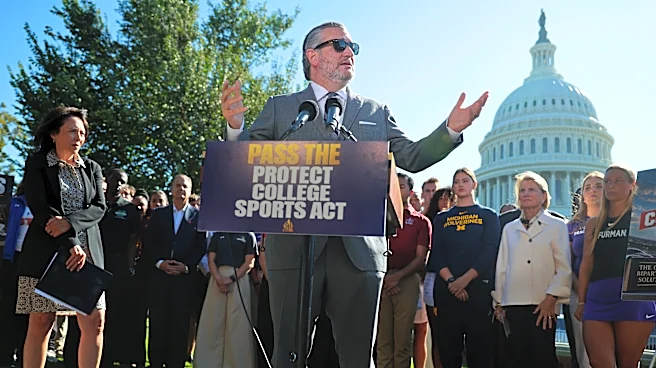
Earlier this month, a bipartisan group of lawmakers voted toadvance the Protect College Sports Act, sending a clear signal that Washington is eager to referee the wildly lucrative world of college football. Billed as a necessary measure to bring order to the chaotic landscape of name, image and likeness (NIL) agreements, the bill is touted as a rescue mission for a beloved American tradition. In reality, it represents something far more familiar inside the Beltway: powerful institutions using federal authority to secure special treatment.

Universities stand to gain most from the bill
The proposed law creates a comprehensive
federal framework for college sports, complete with national rules for athlete compensation and an official oversight commission.
But the true engine of the bill is itsconditional antitrust exemption shielding universities and athletic conferences from legal liability when enforcing caps on revenue sharing and athlete earnings.
Under the guise of protecting amateurism, Congress is offering the collegiate sports establishment a legal carve-out to sidestep the laws of supply and demand to avoid sharing its eye-popping profits with the athletes producing the value on the field.
NIL ended the NCAA's compensation monopoly
For decades, major universities and the NCAA operated a comfortable cartel. They generated billions of dollars from television broadcasting contracts, packed stadiums and corporate sponsorships while restricting player compensation to tuition and meal stipends.
When federal court rulings and state laws finally opened the door to athlete compensation, the dam broke. Suddenly, young men and women were permitted to earn market value for their talent, ending the legal monopoly over player compensation. Rather than adjusting to a functioning market, higher education administrators panicked and sprinted to Capitol Hill, begging lawmakers to restore the authority they lost in court.
College football’s popularity undermines the crisis narrative
To hear the defenders of this legislation tell it, college sports are on the brink of collapse. They warn of unmanageable transfer portals and runaway booster collectives destroying competitive balance.
Yet a quick glance at Saturday television ratings or university balance sheets tells a completely different story. College football is not dying; it is an economic juggernaut. With annual broadcastmedia rights exceeding $4 billion annually and flagship programs like Texas reaching individual valuations in the billions, the sport is generating unprecedented wealth.
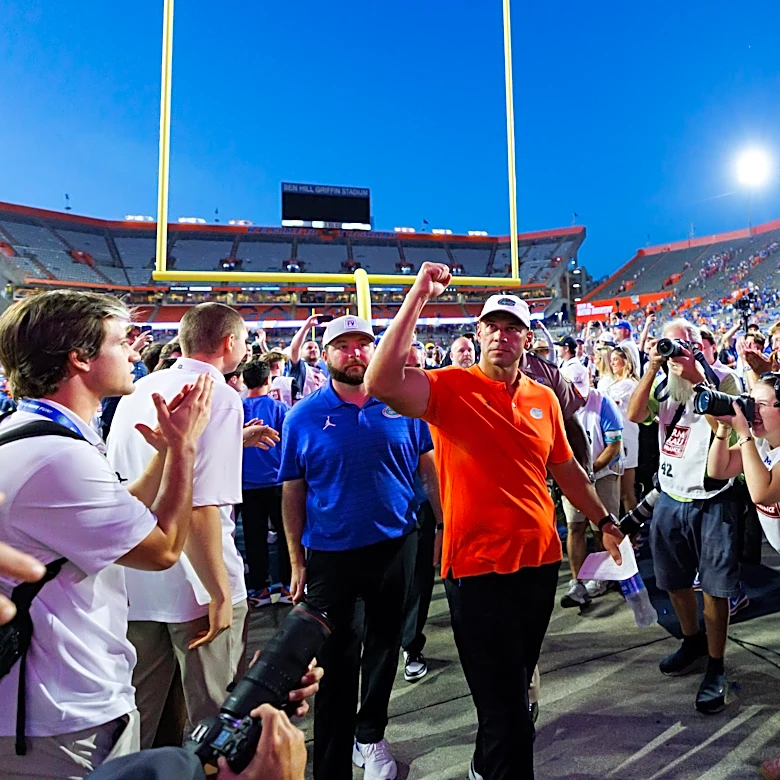
Viewership figures confirm that fan engagement has never been stronger. Texas vs. Ohio State drew 14 million viewers. Don’t tell me that the media circus surrounding coach Lane Kiffin’s return to Ole Miss is evidence the sport is faltering. That was entertainment gold. Fans are not tuning out because players are getting paid. The pageantry and talent on display have elevated college football to new heights.

Collective bargaining is the next logical step
The argument that federal intervention is needed to prevent top-tier programs from ruining the sport overlooks how market incentives work. If a handful of wealthy athletic programs threaten the long-term viability of college football by building overpriced rosters, the conferences and the NCAA will inevitably come together to establish internal guardrails.
They will not need an act of Congress to do it. When economic self-preservation demands balance, interests align quickly. The natural evolution of this market will involve leagues negotiating reasonable salary caps and roster structures directly with the athletes.
Accepting that reality means confronting a fact that university leaders have spent decades trying to deny: that elite college football players are employees. Consider the degree of control a university athletic program exercises over a Division I player. Coaching staff dictate their daily schedules, mandatory training and nutritional plans. These athletes do not enjoy the typical flexibility or personal independence of a traditional college student. They are working full-time jobs that generate millions of dollars for their institutions.
Transforming college athletes into recognized employees who collectively bargain with leagues and universities is not a threat to college sports; it is an equitable solution. Professional sports leagues have operated under collective bargaining agreements for decades without diminishing fan enthusiasm or destroying competitive fairness. A negotiated settlement, where players and institutions agree on revenue sharing and transfer rules brings stability and legal certainty to the system.

Let market forces work before calling in Washington
Legendary Alabama football coach Nick Saban famously built a college dynasty by teaching his players to trust the process, noting that a good process produces good results. Instead of begging lawmakers for a legislative bailout, university administrators should apply that same wisdom to the economics of their own sport.
We need to trust the market instead of the government. For generations, the free market has been the unquestioned engine of American success, driving innovation and finding a natural equilibrium when competing interests collide. The collegiate sports establishment is simply trying to bypass that process because it finally requires paying the talent.
Federal intervention inevitably makes systems more bureaucratic and exponentially more expensive. Well-intentioned congressional mandates reliably turn simple market adjustments into permanent regulatory nightmares. Modern college football needs functioning market mechanics rather than a new federal agency or an antitrust exemption designed to keep players from securing their fair share. The money will talk, as it always does, and the market will reach an equilibrium long before Washington could ever hope to manage it.
Lawmakers need to stay on the sidelines and let the free market play.
USA TODAY Network Tennessee columnist Cameron Smith is a Memphis-born, Brentwood-raised recovering political attorney raising four boys in Nolensville with his particularly patient wife, Justine. Send outrage or agreement to smith.david.cameron@gmail.com or @DCameronSmith on X. Agree or disagree? Send a letter to the editor at letters@tennessean.com.
This article originally appeared on Nashville Tennessean: Protect College Sports Act favors universities over players | Opinion