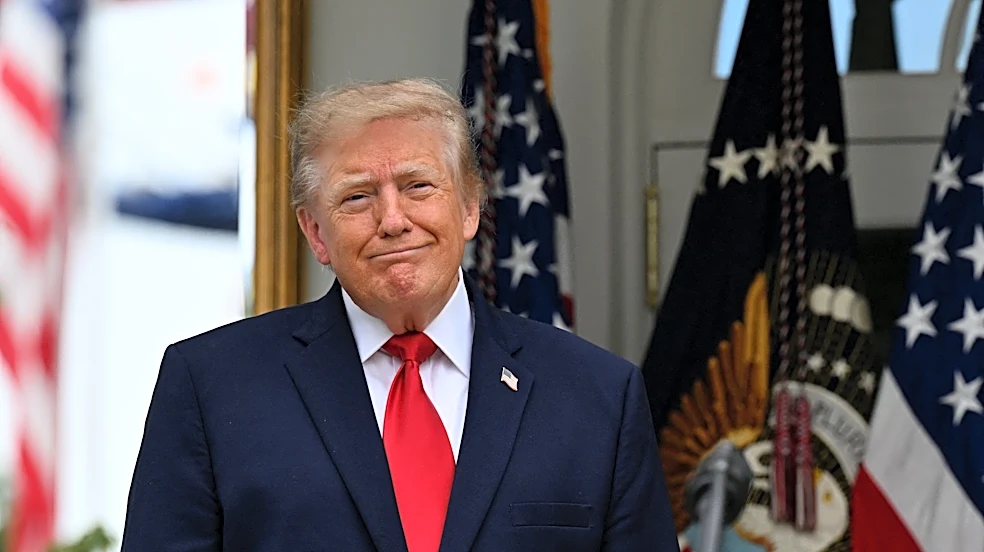






On Oct. 10, President Donald Trump, never wavering in confidence, stood on stage in Clarksville’s F&M Bank Arena and urged his fans – I’m sorry, voters – to be sure to get to the polls in November’s election. While conceding the historical reality that voters often use midterms as a referendum on the party in federal power, Trump nonetheless offered a solution for Republicans who may be hesitant to cast another vote for the GOP:
“Just pretend I’m on the ballot.”
It was classic Trump, not just for its nonchalant bravado but also for its severance from reality. Even in Tennessee, which Trump won by nearly 30 points in 2024, his approval ratings have dipped into the negative. And that’s the polls. Real-life evidence of disaffected Republicans is all
around, even in this publication.
Conservative Tennessean columnist Cameron smith recently wrote that voters are justified in frustrations with Trump’s policies, and Republicans are subsequently “realizing the crushing political cost of their unquestioned devotion.”
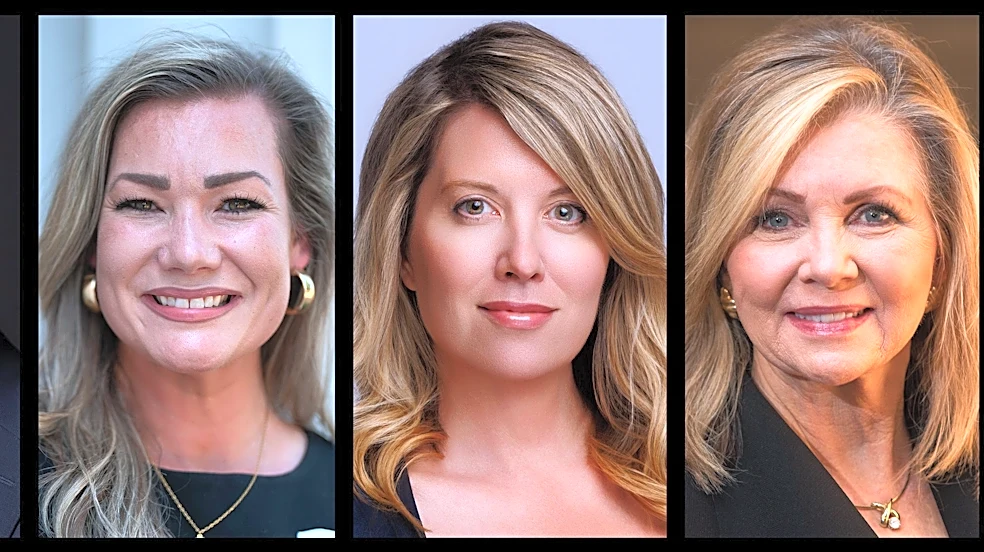
In a letter to the editor, Smyrna voter Mike Smith called attention to the millions of PAC and corporate funds flowing into Sen. Marsha Blackburn’s campaign, while urging “principled Republicans” to eschew any candidate carrying water for the current Commander-in-Chief.
By these indications, the coming election should be a boon for Democrats, the long-awaited “I told you so” that would convert large swaths of voters from red to blue. Indeed, this seems to be the case in some races across the country, as Senate seats in Republican strongholds like North Carolina and Alaska appear primed for a flip.
But here in Tennessee, particularly in the race for governor, Republican fatigue doesn’t seem to be working fully in Democrats’ favor.

Tennessee's history of political change
This is where I remind readers, again, that Tennessee wasn’t always the deep red stronghold it is today. For much of the 90s and into the early aughts, Democrats controlled both chambers of Tennessee’s General Assembly. And before that, beginning in the 70s, as conservative realignment under the GOP umbrella was crystallizing, Tennessee’s governorship rotated between the major parties. The seat switched between Democrat and Republican leaders every eight years for four decades, right up to Gov. Bill Lee’s succession of Republican Bill Haslam in 2019.
Of course, much has changed during that time. I won’t say America is more divided than it’s been in the past (I am Black; I know history), but those divisions are certainly more pressurized and weaponized than ever before. In many cases, Tennessee has served as an ideal proxy for the country’s most heated sociopolitical battles; at the very least, it is always a convenient microcosm through which to study them.
Battles over gun violence legislation, immigration and the death penalty have played out in the Volunteer State as the whole country watches, turning local actors into national stars. Party allegiances become more deeply entrenched while culture wars replace prudent policy debates and, as a result, Tennessee voters are less willing to jump from one major political party to the next.
This understanding was at the core of Trump’s Clarksville rally, as he and other speakers gaslighted the crowd (on affordability issues, Trump said he "brought down everything") while stoking deep-seated, if irrational, fears. Call it the Southern Strategy 2.0.
Speakers ranted about a socialist takeover, a repeal of the 2nd Amendment and, according to Kid Rock, a remaking of the U.S. as “one nation under Muhammad.”
What was left unspoken but still loud and clear is that even as Republicans grow MAGA-wary, they aren't likely to trade one iron hand for another, not even for the sake of sticking it to Trump.
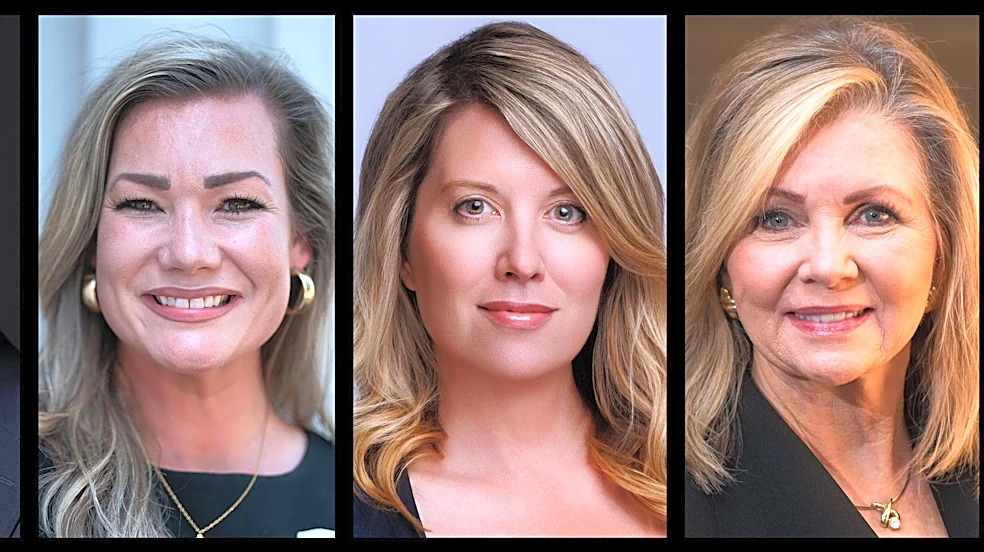
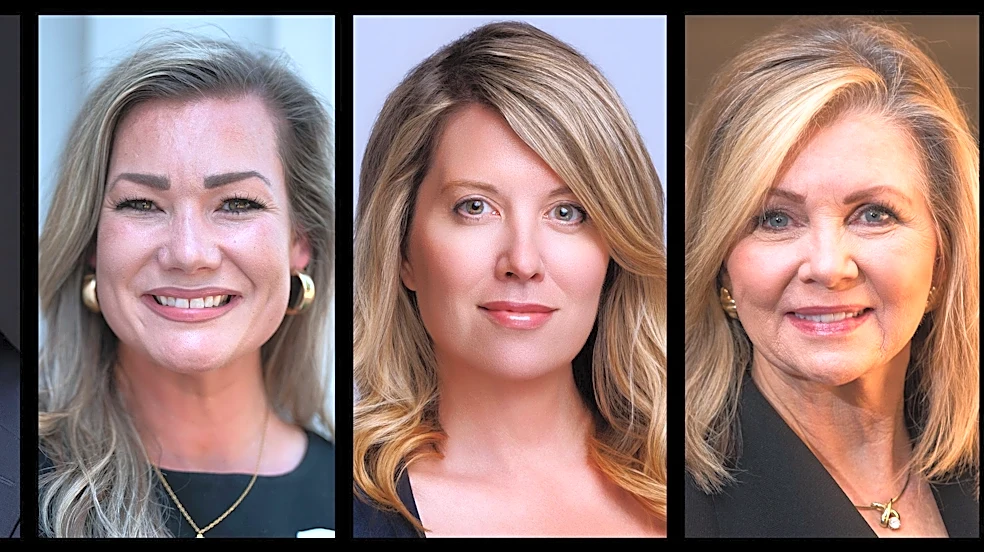
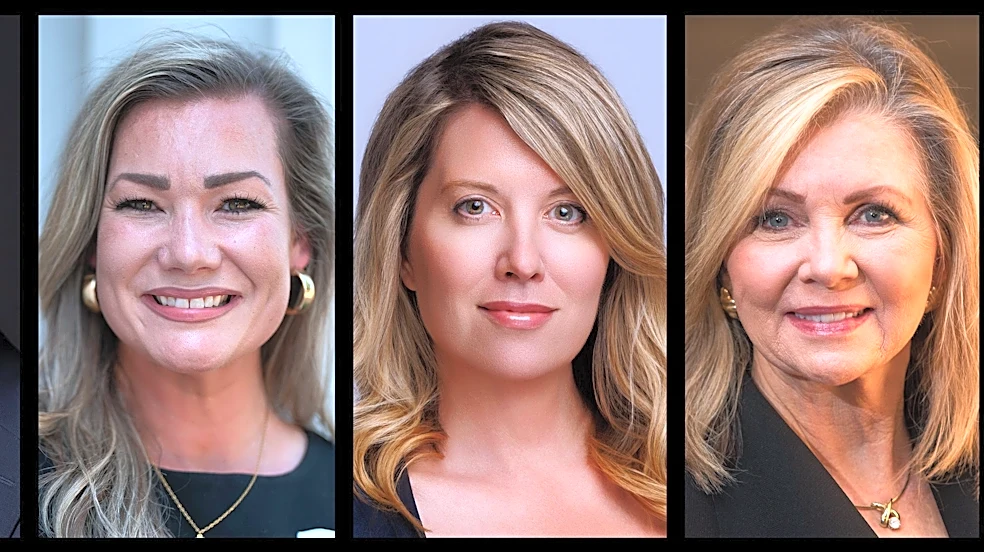
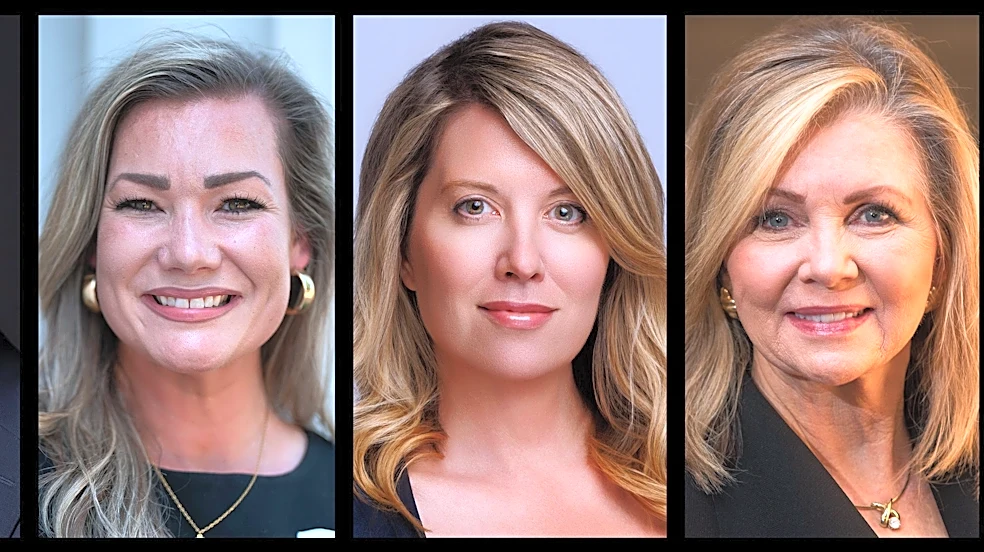
And in Tennessee's gubernatorial race, with independent candidates Lauren Pinkstonand David Hatleygathering steam and generating buzz, they may not have to.
The other side of the GOP coin
Dems may have no political equivalent of Trump, so brazen in his arrogance and corruption, but their version of party fealty looks eerily similar to the Right’s. Smith wrote of the remaking of the GOP into a “gilded monument to one man's personal brand.” On the left, the shrine is to the party itself. Which is why “Vote Blue no matter who” sounds just like Trump’s admonition for voters to pretend he’s on the ballot and paint the whole thing red – especially to those who don't fully align with the Democratic platform.
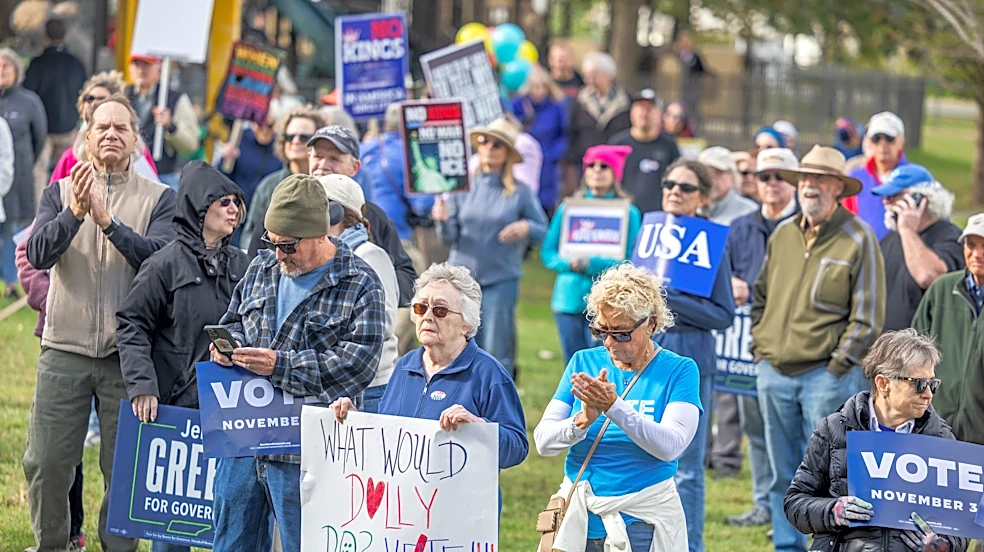
Case in point: On Sept. 21, Democrat Jerri Green publicly asked Pinkston to withdraw from the gubernatorial race, citing the stakes of the election and the disruption Pinkston’s campaign could cause for Green if she pulls even 1 or 2% of the vote.
To voters on the left, Green’s request might seem reasonable, even necessary, in the face of a potential Blackburn win. But an objective view reveals something else. According to recent data, nearly half (48%) of Tennessee voters are Independent. 34% are Republican, and only 18% are registered Democrats.
Green's ask wasn't rooted in those voters' interests; it was a mandate for allegiance to a flag Pinkston didn't choose to wave. So what sounds like savvy feels like desperation and a disregard of voters’ right to freely choose. It also looks like the same brand of strong-arming that Trump has become known for, that has whipped up the current climate his surrogates may not survive.
That's not to say Pinkston and Hatley are shoo-ins. As of this writing, the latest Beacon poll suggests a two-horse race, with Blackburn leading Green by 13 points, 46% to 33. While 8% of voters are locked in on an independent candidate, another 14% remain undecided, still not ready to commit.
In his column, Smith wrote that "Republicans are paying the price" for an enduring loyalty to Trump. But in the race to determine Tennessee’s next governor, I’m just not sure Democrats will be cashing the check.
This article originally appeared on Nashville Tennessean: Some GOP voters out on Blackburn, but still not pro-Green | Opinion