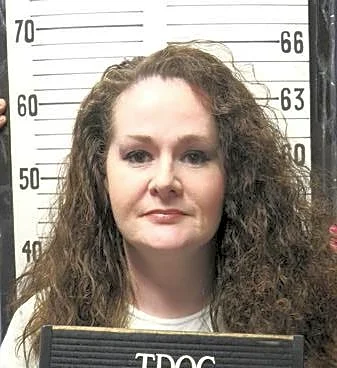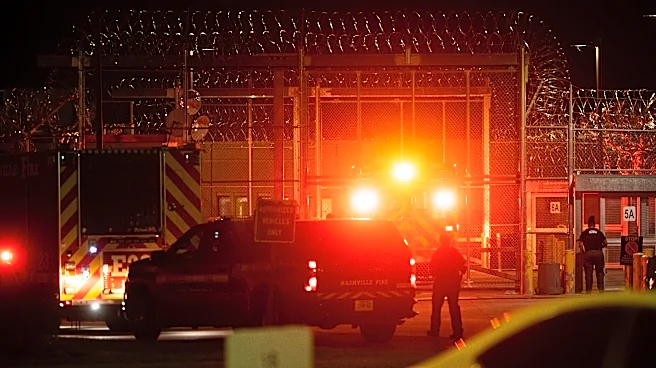

A new emergency court filing seeks to preserve all evidence related to Tennessee's failed execution of Christa Pike, arguing the state botched the lethal injection procedure.
Pike was set to be executed
by the Tennessee Department of Correction on Sept. 30, but survived two injections of pentobarbital. The document, filed in Davidson County Chancery Court on Oct. 2, revealed more details about Pike's condition. It said she is intubated, on a ventilator and unconscious, and that both her arms where were swollen, burned and blistered. As of the night of Oct. 1, Pike was still in critical condition at a Nashville-area hospital, the motion said.
Pike was convicted in 1996 for the first-degree murder and torture of 19-year-old Colleen Slemmer in Knoxville.
"Hospital staff are working to save Ms. Pike's life and to clear the pentobarbital from her system," the Oct. 2 motion stated.
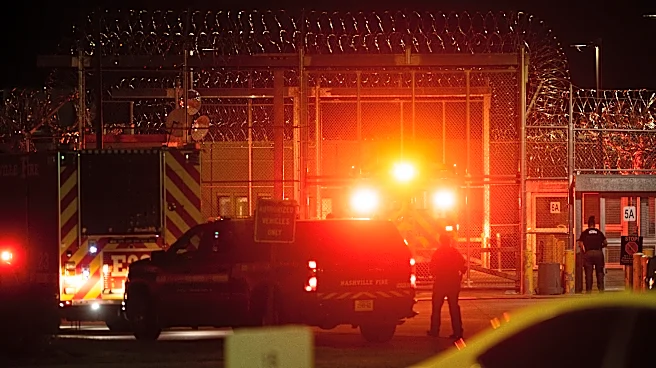
Pentobarbital is the single drug required under the state's lethal injection protocol. The failed execution attempt came after a complex legal back-and-forth delayed her execution several hours that day, which was originally set for 10 a.m. Media witnesses of the procedure said the blinds to the observation room were opened and closed multiple times between around 7:40 p.m. and 8 p.m. As they were shuffled out of the room at 8:53 p.m., media witnesses said they could still hear Pike breathing.
"Apparently at no point did any member of the execution team realize that the IV lines were not correctly placed or that the veins had blown and that the pentobarbital was, in whole or in part, entering Ms. Pike’s body," the emergency motion stated. "Instead of remedying this failure, TDOC elected to prepare a backup set of syringes (if they were not also prepared earlier that day) and then administered another lethal dose of pentobarbital."
The motion said the state committed a "manifest violation" of Pike's constitutional rights and called its actions "reckless" and "incompetent."
After the attempted execution, the state said that it had "followed every step" of its protocol. TDOC officials said the protocol did not allow them to perform additional procedures.
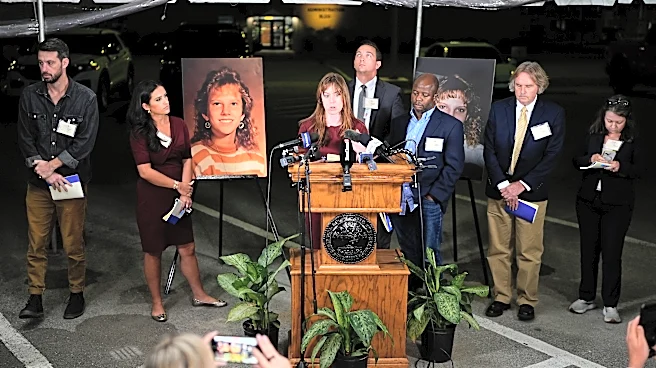
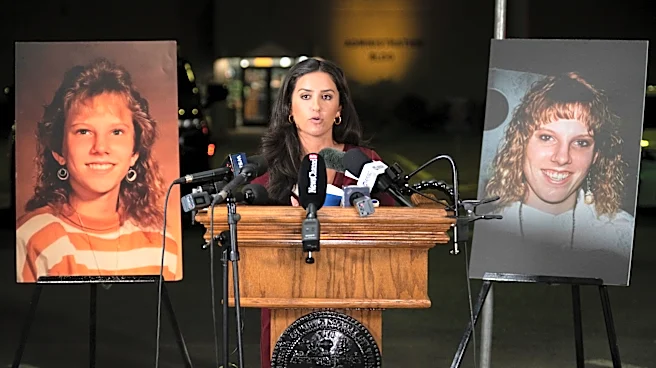
In an Oct. 1 news conference, Pike's attorney Randy Spivey said she was alive, in critical condition and receiving medical care.
"We don't have a sense of her prognosis or much update on her health at the moment, but we do know that she is alive right now and receiving life-saving medical care," Spivey said.
No other information on Pike's condition was available as of 1:30 p.m. on Oct. 2.
Tennessee's history of execution failure, issues
Pike's survival after the state administered lethal injection drugs appeared to be unprecedented in the modern history of the U.S. death penalty. Medical experts told The Tennessean that a problem with Pike's IV or the delivery of the pentobarbital is among the most likely explanations for her survival, though exactly what happened remains unknown.
The failed execution is expected to intensify ongoing litigation over Tennessee's lethal injection procedures. Pike's attorneys had raised concerns before the execution about her thrombocytosis, a blood condition they argued could make lethal injection unnecessarily painful. They also questioned the state's ability to establish reliable IV access.
"Her concerns were called 'speculation,'" the Oct. 2 emergency motion stated. "They were laughed off, scoffed at, and dismissed. In the words of one media witness: we have a lot of questions and the Department of Correction has a lot of answers that it needs to provide to the public about what happened here. We agree."
In May, execution personnel repeatedly tried to establish IV access for death row prisoner Tony Carruthers but could not establish the second line required under the state's protocol. Dr. Mark Fowler then unsuccessfully attempted to place a central line. After Carruthers spent more than an hour strapped to the execution gurney, the state abandoned the execution.
Fowler had not placed a central line in at least 13 years, according to his deposition in litigation over Tennessee's execution procedures. Fowler testified that he had placed about a dozen central lines during his career and had no current hospital privileges. Fowler was also set to oversee Pike's execution on Sept. 30, according to news reports.
In 2022, Tennessee Gov. Bill Lee halted executions after TDOC acknowledged it had failed to follow its own execution protocol. An independent investigation found systemic failures stretching back years, including the department's failure to consistently test lethal injection drugs for potency, purity and contaminants. The state resumed executions in 2025.
Lee stays Tennessee executions as TDOC scrutiny grows
Meanwhile, Gov. Bill Lee has halted executions in Tennessee for the rest of the year and ordered a comprehensive, third-party review into what went wrong during Pike's attempted execution. TDOC has not said if any accountability measures will be taken or released details on what the investigation entails.
Lee called the failed execution “deeply disturbing” and said the review would seek to determine exactly what happened. The pause postpones the execution of Gary Wayne Sutton, which was scheduled for Dec. 3.
Tennessee's candidates for governor quickly distanced themselves from TDOC Commissioner Frank Strada after Pike's failed execution. Democratic nominee Jerri Green called for his immediate resignation on Oct. 2. Representatives for Republican nominee Sen. Marsha Blackburn and independents David Hatley and Lauren Pinkston told the USA TODAY Network-Tennessee they would not allow Strada to keep his job if they are elected. The election is set for Nov. 3.
Knox News reporter Allie Feinberg contributed to this story.
Reach Tennessean reporter Rachel Wegner at RAwegner@tennessean.com.
This article originally appeared on Nashville Tennessean: Christa Pike unconscious, burned and intubated, new court filing shows