




The Nashville SUNN (NashvilleSUNN.com) is the first citywide student-led newspaper in the U.S. and a publication of the Students United News Network.
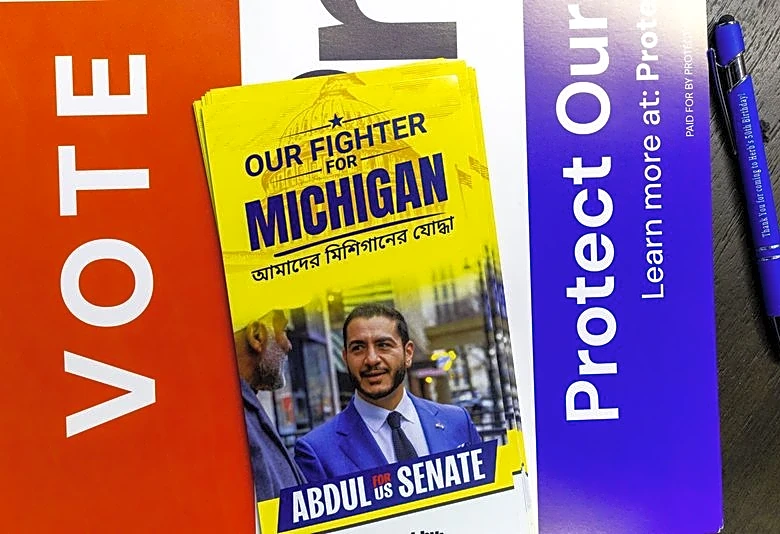
On Nov. 3, the 2026 midterm elections will occur. To the average citizen, it might feel as if these races are happening far off in Washington, D.C. However, your vote makes an impact locally in Nashville.
But what is a midterm? What and who are you voting for? What does your vote actually accomplish?
Midterms happen every four years, midway through the presidential term and are an opportunity to rebalance power and assess public opinion. Voting in midterms empowers a Nashvillian because they get to help choose officials, such as those in the U.S. Senate and U.S. House of Representatives, who will
more directly represent them and their fellow voters.
What will be on a Nashvillian’s ballot on Nov. 3?
First comes what every registered voter will vote on: the federal congressional elections. Members of the House of Representatives serve two-year terms, so all 435 seats will be up for reelection in the midterms. Each citizen votes for one representative, and the choices differ based on their congressional district, which is decided by their residential address.
Their options typically include one Democratic candidate, one Republican candidate and multiple independent candidates for each seat.
Members of the Senate serve six-year terms, with 33 seats, or about one-third of the chamber's 100 seats, on the ballot each midterm.
This year, 35 seats are contested as two special elections will occur to fill vacancies, and Nashville voters will elect one senator along with the rest of Tennessee.
In this election cycle, Republican incumbent U.S. Sen. Bill Hagerty of Tennessee will race against Democratic nominee Marquita Bradshaw and several independent candidates.
These elections decide who will become American policymakers and advocates for constituents, making decisions on everything from federal spending to legislation regarding health care, education and immigration.
From here, the voting will only get more specific for Tennesseans and Nashvillians.
For the first time in eight years, Tennessee is voting for a new governor, as Tennessee’s 50th governor, Bill Lee, has now served two terms. Candidates in this race to determine his successor include Republican nominee Marsha Blackburn, Democratic nominee Jerri Green and several independent candidates.
In addition, voters will see elections for the Tennessee General Assembly on the ballot.
Local elections occur too, but most of the Metro Nashville Council and mayoral races do not align with the federal presidential and midterm election schedule. For example, the Metro election for Nashville’s mayor, vice mayor and Metro Council members will occur in 2027. County-level officials such as the sheriff were elected earlier in the year.
How redistricting could change your vote
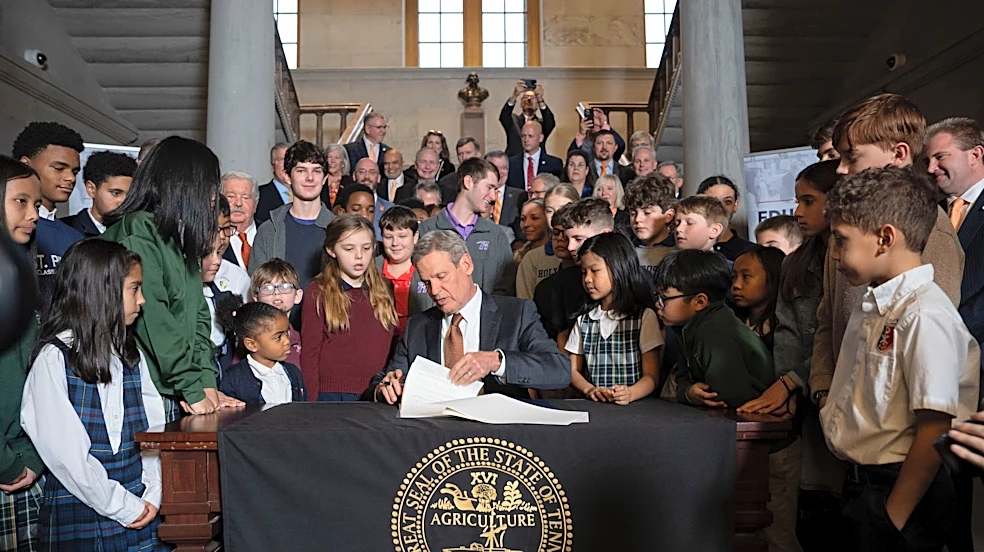
This year, redistricting has altered Nashville’s congressional map. Gov. Bill Lee signed into law the first changes in this process following the 2020 census, splitting Davidson County into three separate districts. State Republican leaders stated that the divisions gave Nashville and Middle Tennessee a more direct voice in Congress, while Democratic leaders and civil rights organizations claimed the purpose was to weaken Nashville’s urban, Democratic body of voters.
The newest legislation, signed by Lee in 2026, further splits the Nashville metropolitan area and Davidson County into five different districts, and the new boundaries have made all nine of Tennessee’s congressional districts Republican-leaning.
If you’ve been affected by redistricting, the Davidson County Election Commission should update your voter registration, but you should check to see how it has impacted who you will be voting for.

Time to vote
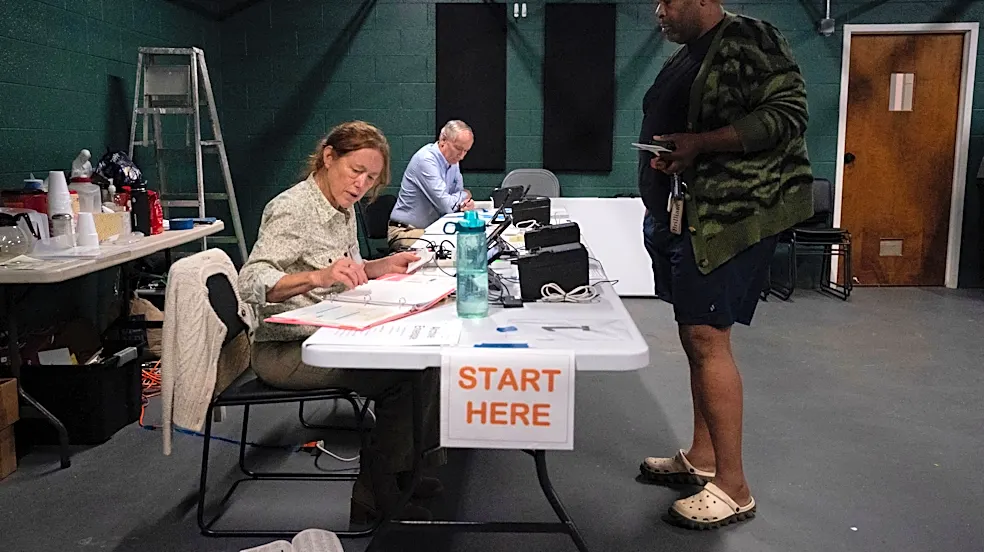
Most importantly, it is almost time to vote.
If you already voted in the August 2026 primary election to decide the final slate of candidates this November, you are ahead of the game.
Tennessee had the worst voter turnout in the U.S. in the 2022 midterms. While presidential elections might garner more media coverage and have clearer effects on the nation, local elections make an important impact, too.
Many issues that Nashvillians encounter every day are largely impacted by state and local policymakers. For example, Tennessee education policy is determined primarily by the state, while Nashville’s transit system, roads and infrastructure are governed by a combination of local, state and federal policy.
Not old enough to vote? You can still make a difference
If you are under 18 and feel that a lot of what you have read does not apply to you, there are still ways to get involved before you ever set foot in a polling place. You can support your family and friends’ voting participation by driving the search for reliable information before an election, watching debates with others and encouraging civil conversations at school about voting, candidates and campaign issues.
You can also directly support a candidate by volunteering on a local, state or national campaign, attending campaign events with family and talking to voters about your preferred candidates. Finally, there are even opportunities to work at the polls as young as 16 or 17, or with a local organization focused on voter registration.

Caroline Kath is a senior at Harpeth Hall and managing editor and copy editor of Logos. She enjoys hiking at Percy Warner Park with her dogs and counts the The Chronicles of Narnia” series among her favorites.
The Nashville SUNN (NashvilleSUNN.com) is the first citywide student-led newspaper in the U.S. and a publication of the Students United News Network.
This article originally appeared on Nashville Tennessean: A Nashville student’s guide to the 2026 midterm elections | Opinion