





Tennessee should put a moratorium on new data centers.
Before we approve another facility, we need to stop and ask some basic questions: How much water will it use? How much electricity will it consume? Who will pay for the infrastructure needed to support it? How many permanent jobs will it actually create? What will it mean for the people who live nearby?
And most importantly: Who gets a say?
Concerns about the growth of data centers are one of the top things I hear about as I travel across Tennessee. What has become increasingly clear to me is that this concern is not about how someone votes or what party they belong to. It is about how they believe we should protect our communities,
our natural resources and the environment we all share.
People across Tennessee may disagree on plenty of things. But when it comes to data centers, I hear the same thing: they don't want them in their towns. And at a minimum, they want to understand what they're being asked to accept. They want to have a voice.

Memphis learned this lesson the hard way
I know what happens when we don't get a chance to ask questions soon enough because I watched it happen in Memphis.
When xAI came to Memphis, the deal was already inked before the legislative body I serve on had any meaningful insight or input into it. We did not have the opportunity to ask the questions our community deserved answered before the deal was done. Our laws had not kept pace with the speed and scale of these projects. We did not have the zoning requirements or public input protections needed to ensure Memphis residents had a meaningful seat at the table before a massive AI data center arrived. By the time we knew what we were dealing with, xAI was already here.
I don't believe Tennessee should repeat that mistake. We shouldn't have to rewrite the rules after the bulldozers arrive.
We should not allow billion-dollar technology companies to move faster than the laws designed to protect Tennessee communities. That experience is one reason I helped push for stronger data-center zoning and greater community involvement in Memphis. If a company is going to use our water, our electricity, our roads and our land, the community deserves a voice, and they deserve to share in the benefits.

Tennessee communities are already pushing back
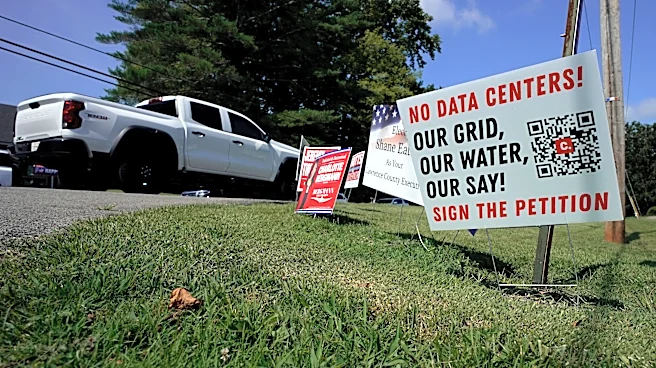
Memphis is not the only Tennessee community asking these questions and pushing for change. McMinnville adopted a moratorium while officials consider the potential effects of a proposed data center, including infrastructure, utilities, environmental impacts and noise. Coffee County has also adopted a moratorium. And Nashville has been wrestling with proposed data-center development and moving toward stronger local rules.
These communities are different. They don't have the same politics, geography or economies. But they are asking for remarkably similar things as it relates to these data centers.
That matters.
Because this isn't a partisan question, it is a stewardship question. It is a local-control question. It is a question about whether communities should have the ability to understand the consequences of major development before they are asked to live with them.
The truth is these aren't just buildings full of computers. The people promoting data centers often talk about investment and jobs. And those things matter. But we also have to talk about what these facilities require.
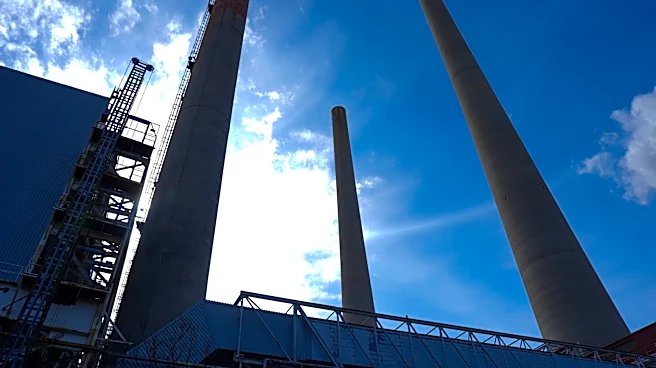
Data centers can consume enormous amounts of electricity. They require cooling systems and, in some cases, substantial water use. They can require substations, generators, batteries, transmission infrastructure, roads and other investments. They often use noise- and air-polluting turbines. And they operate around the clock.
These impacts aren't theoretical. They are exactly why communities across Tennessee are asking for time to study the consequences and enact protective legislation before approving more projects, especially as it relates to our most precious resources: our water and our air.
I love Memphis water (Like, really love it). I enjoy taking my children hiking to places like Fall Creek Falls. I remember spending time de-stressing in the Smokies as a college student. Those places are part of what makes Tennessee special. I want my children to inherit that Tennessee. I don't want us to look back years from now and realize that we gave away too much of our water, strained our electric grid, polluted our air, or changed our communities because we were in too much of a hurry to say yes to big data.
Once we commit a community's water, air and power resources to enormous industrial facilities, we can't simply take those resources back.
Growth has to pay its own way
But it is not just natural resources; it is also our power grid that we have to protect. If a data center requires massive new electrical infrastructure, the company creating that demand should pay its fair share. Tennessee families shouldn't see their utility bills increase to subsidize some of the world's wealthiest technology companies. Local taxpayers shouldn't be expected to shoulder infrastructure costs that primarily serve private developments. And when a company promises jobs, we should ask how many permanent jobs will actually remain after construction is finished, and whether those jobs justify the public resources being committed.
Economic development should improve the lives of Tennesseans.
It shouldn't leave Tennesseans holding the bill.
We need a statewide moratorium
That is why Tennessee should put a moratorium on new data centers until we have the right rules in place. We need clear standards for water use, energy demand, environmental impacts, infrastructure costs, jobs, local zoning and community benefits. We need meaningful public input before the deals are signed – not after. And we need to make sure that communities have the information and authority to make informed decisions about projects that could shape their future for decades.
The experiences of Memphis, McMinnville, Coffee County, Nashville and other Tennessee communities should tell us something. Tennesseans are not asking us to reject technology or economic growth. They are asking us to be thoughtful about it. They are asking us to protect the resources that belong to all of us and to future Tennesseans too.
I don't take money from big data. But I do listen to Tennesseans. That's why I believe Tennessee can welcome innovation without surrendering the things that make this state worth living in.
Our water matters.
Our communities matter.
And the Tennessee we leave our children matters most.

Jerri Green is a mom of three, Memphis City Council member, and proud Democrat who recently made history as the first woman from either major political party to secure the nomination for Governor of Tennessee. A lifelong Tennessean, she was raised in Memphis, educated in Knoxville and began her career in Nashville. Choosing Memphis as home, she’s fought for her community by championing living wages for public employees, paid family leave for the first time in City history, advocating for free public transit, and successfully flipping her council seat blue for the first time in history.
This article originally appeared on Nashville Tennessean: Tennessee needs a moratorium on new data centers | Opinion