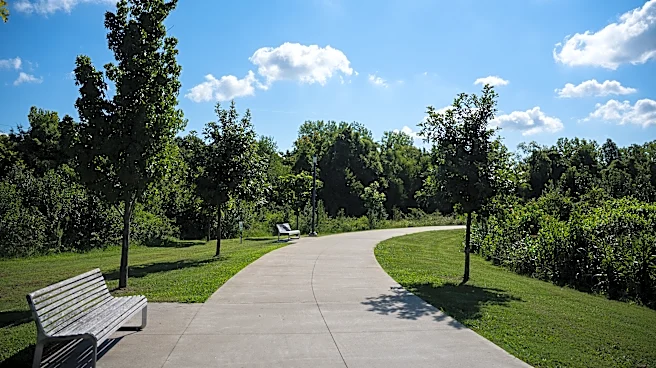








Even if they didn't know his name before he madenational headlines this summer, anyone who frequents South Inglewood Park is familiar with its fulltime resident.
Having grown up in Inglewood just like me, Joseph “Lamont” Williams has been taking shelter under a park pavilion for years. Those who greet him know him to be generous – he politely tidies his belongings when our neighborhood group hosts its monthly potlucks in the only square feet he can call home, even if he’s too shy to join our meal.
But Lamont’s kindness did not protect him from a newcomer who moved into a house in view of the pavilion in March.
Claiming to have witnessed unsavory activity after dark, our newer neighbor pestered the police department with such persistence that, on
June 28, officers descended upon the park, tasing and arresting Lamont under Tennessee's felony anti-camping law.
This is the first known enforcement of the felony arrest by Metro Police, which, according to an email from Mayor O'Connell's office, is attributable to the arresting officers’ wetness behind the ears. After several nights in jail, Lamont was released with a misdemeanor charge for having fled arrest. He returned to the park where he remains as of this morning, but now with a record that will further disadvantage him in finding stable housing again.

A tale of two Nashvillians
Homelessness connotes addiction in the minds of everyday Americans. But when my own alcoholism and divorce dragged me into the darkest period of my life, fighting off suicidality as I stumbled into single-parenting, my privilege insulated me from the same forces that drove Lamont into living unsheltered.
I’ve driven drunk dozens of times but scarcely feared a DUI. I never worried CPS would take my kids as I drank myself to sleep with my daughters slumbering in the other room. I sometimes openly drunk in front of coworkers but seldom worried I would lose my job. Rather, I purchased a house down the street from where I grew up, not because I could afford it, but because I knew the seller’s agent. There, I could begin recovery from the stability of homeownership.
For the record, I don’t even know if Lamont uses substances. But I did, and it's not the point anyway. The point is that our economy protects privileged neighbors but criminalizes others. Stably housed people abuse substances as much as unhoused people do; the difference is our racist housing market. The difference is also policing: It's an outlet just a phone call away for white homeowners to disappear poor people from sight, a weapon against those in their crosshairs.
Police don't help homelessness
No doubt Lamont has refused some support over the years, but he is surviving with the companionship of the only ones who have earned his trust. He is among the most resilient people I know. But I maintain compassion for both of my neighbors in this story.
Despite indisputable evidence that policing unhoused people only expands homelessness, the 911 caller who summoned the cops reached for the only tool we have been led to believe is available. Since we have conflated houselessness with crime, there’s only one number we’ve ever been taught to memorize.
I don’t assume the caller hates homeless people. More than hatred, it is shame that drives us to victimize our neighbors: the shame of our collective failure to ensure basic human needs.
Lamont wakes each morning to don earbuds that seem to amplify nothing at all, always gazing in the same direction, toward the mature Inglewood trees. It is quiet he seeks. He still doesn’t comprehend the level of attention his story has garnered nearly two months later. But we, his neighbors, will never forget.
D. Michael Durham is the Senior Director of Funder Organizing and Coalitions at Funders Together for Housing Justiceand the co-founder of Inglewood Mutual Aid.
This article originally appeared on Nashville Tennessean: A felony arrest is the last thing Lamont Williams needed | Opinion