







I love Nashville, and Nashville has loved me back. But I'm wondering: Where will Nashville be if we spend more time celebrating what we've accomplished than understanding what our future requires?
As I sit along Historic Jefferson Street, I am surrounded by history I never want to stop learning. The corridor's triumphs, struggles, people, institutions and cultural legacy deserve to be remembered. Yet as much as I love learning where Nashville has been, I'm increasingly concerned about where we're going.
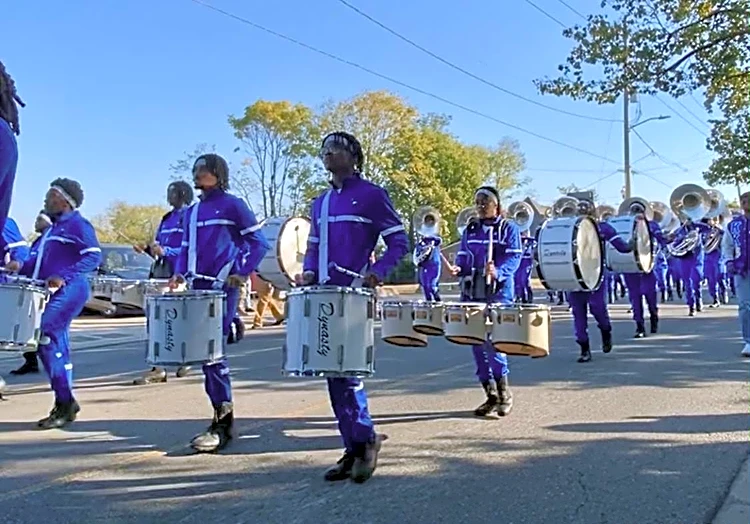
Tennessee State University's homecoming paradeis a cherished tradition along Historic Jefferson Street, bringing thousands together in celebration of culture, legacy and community. If you want to understand the community, come see it. Experience
what cannot be captured in an annual impact report.

What Nashville's next era demands
After decades of amplifying the impact of Nashville's great organizations, I find myself asking: What's really next? Will the institutions that built our city's reputation earn their place in its next era, or has yesterday's influence grandfathered them into tomorrow's culture?
I say this: Past influence does not guarantee future relevance. Institutional longevity does not guarantee public trust. And the gold rush fueling our economy does not automatically translate into meaningful impact.
Nashville's next era should demand more than visibility, influence and historic goodwill. It must demand renewed public trust. Not another public relations term, but a genuine commitment to humanity in the city that sustains these institutions.
Public trust belongs on every institutional scorecard, but trust has its seasons, and seasons change. Yesterday's credibility cannot guarantee tomorrow's confidence. Favorable media coverage does not necessarily reflect the strength of an organization's relationships. A healthy bottom line cannot tell the whole story.

The importance of public trust
Nashville needs to listen closely for public trust. It is the heartbeat of institutional sustainability. Its vital signs are felt behind corporate doors, in online conversation and throughout the communities an organization serves and affects. Leaders must ask whether their promises, decisions and impact remain aligned with the communities that give them relevance, and whether they know those communities well enough to earn their trust.
Nashville's future is discussed through headlines about data centers, waves of tourists, promises of affordable housing and hopes of bigger companies moving here. Much of that growth is welcome, but growth alone cannot tell us whether we're strengthening the cultural foundation that made this city worth investing in.
Housing has become a priority across industries. Community engagement appears in nearly every institution's vocabulary. Economic development announcements keep coming. But can Nashville's people trust the future our leading businesses and institutions are creating? More importantly, can they connect to it?
Honoring the past, remaining relevant to the future
We all know an organization can be financially successful yet culturally disconnected. It can celebrate its legacy while losing its relevance. Public trust cannot be inherited. It must be demonstrated in decisions people recognize and outcomes they experience.
Consider American Baptist College, overlooking the Cumberland River, whose legacy includes civil rights leaders such as Rev. Dr. C.T. Vivian, John Lewis, Rev. Dr. Bernard Lafayetteand Rev. James Bevel. Its historic goodwill continues through a commitment to community, service and meaningful impact on Nashville. That is how an institution honors its past while remaining relevant to its future.
When the homecoming parade passes down Historic Jefferson Street, look beyond the celebration. See the generations, enterprise, belonging and future worth protecting.
Nashville's next era will be secured by institutions that refuse to rest on their laurels. It will belong to leaders who understand that culture is capital, trust is the ultimate currency and Communisee – the ability to truly see, understand and create shared value with communities – is the intelligence our future demands.

Monchieré Holmes-Jones is a Cultural Economist™ , Entrepreneur and community development strategist advancing creative economic development and strategic public-private partnerships. Her work connects cultural preservation, public trust and investment to turn historic communities and cultural corridors into engines of lasting economic opportunity. Through her decades of leadership of MOJO Impact Collective, Jefferson Street Historical Society and Historic & Cultural Corridors, she helps communities and institutions preserve their identity, strengthen ownership and build wealth.
This article originally appeared on Nashville Tennessean: Nashville's next era won't be built on yesterday's influence | Opinion