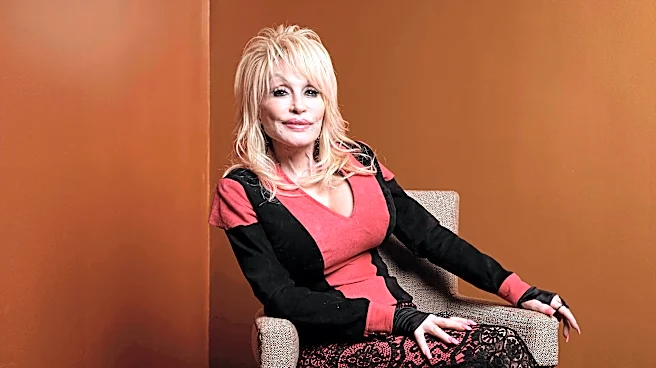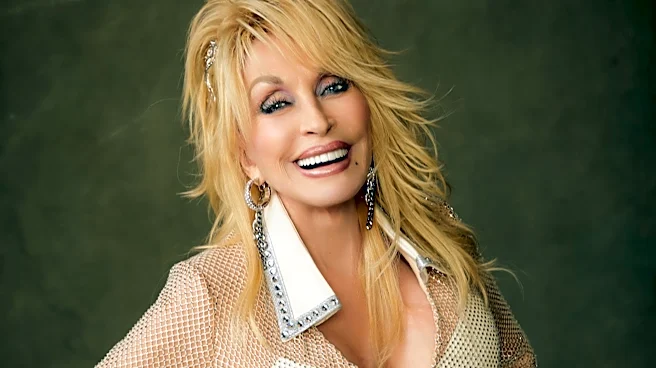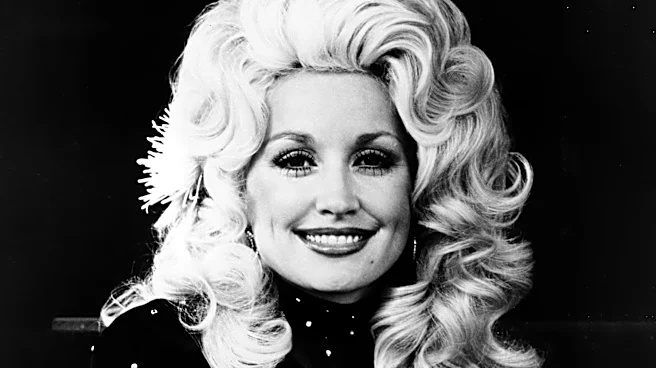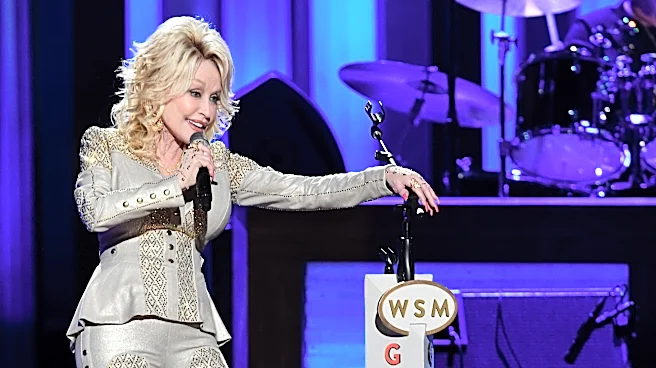





As soon as the house lights came back on, I bolted out of the Grand Ole Opry House auditorium to the backstage area. I wound through the corridors to an out-of-the-way dressing room, pulled my laptop from my bag, and started to write.
It was Oct. 12, 2019, and Dolly Parton had just completed the first of two performances celebrating her 50th anniversary as a Grand Ole Opry member. The Tennessean’s print deadline was looming.
Within minutes, the door eased open. Dolly poked her head in.
“Oh, it’s just you. Can I come in?”
“Sure,” I said. “I’m just writing about you.”
She sat beside me and explained she wasn’t used to the in-ear monitors she had to wear that night. She couldn’t hear herself; the show was being taped for television, and she wanted to know
if she sounded OK.
“‘Tennessee Mountain Home’ made me cry,” I said.
She nudged me with her high-heeled shoe.
“That’s just because it made you miss your daddy,” she said. “That wasn’t about me.”
She wasn’t wrong.

Growing up so close to Dolly
Dolly died Tuesday, Aug. 25, 2026, at a Nashville hospital. She was 80.
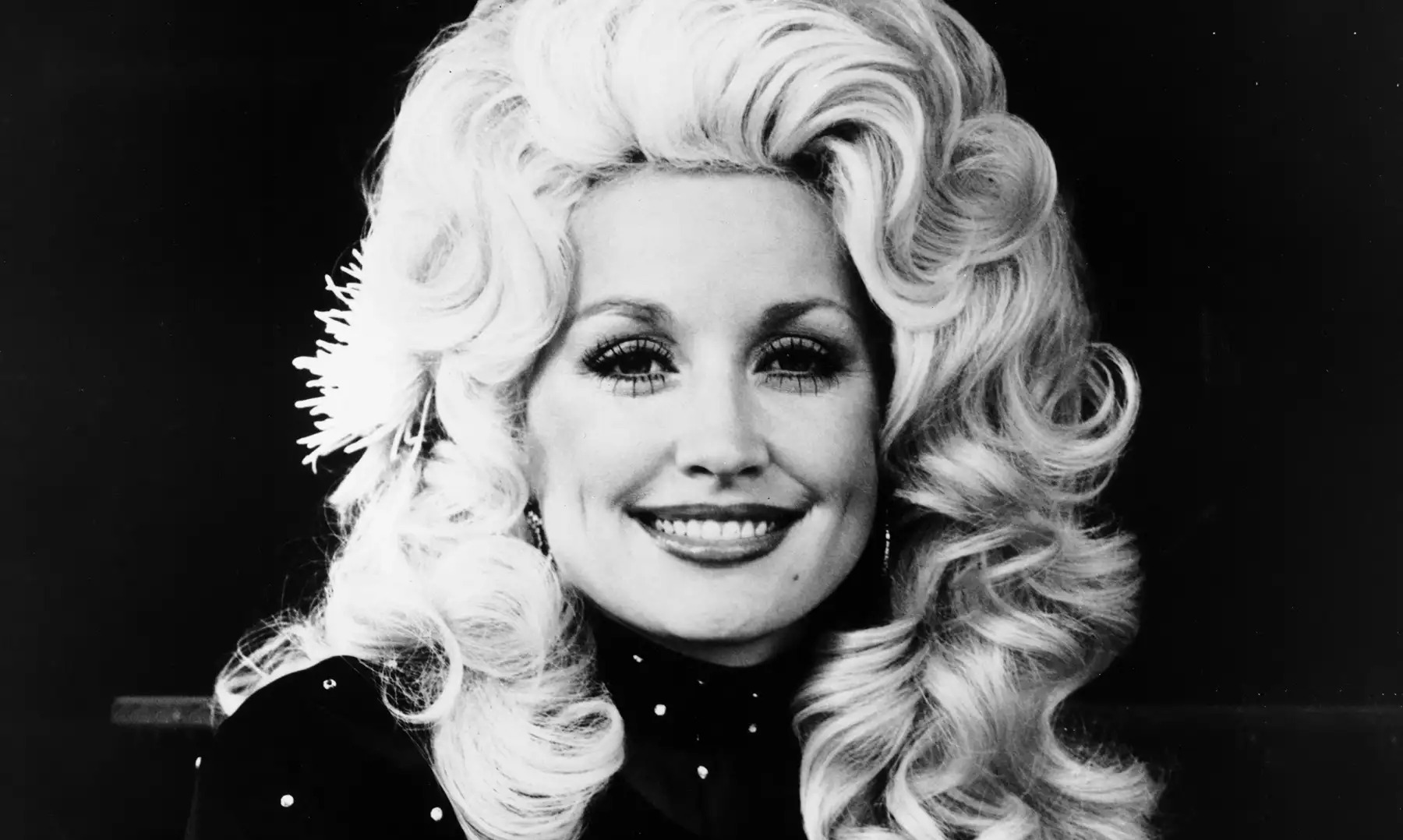
The whole world loved Dolly. As deeply divided as this country is, she might have been as universally beloved as anyone could be. But for me, she was more than the patron saint of melodies, kindness and quick wit. She was hope – and she represented home.
Dolly and my dad rode the school bus together in Sevierville, Tennessee – my hometown. When I told her that, I don’t think she believed me. Then I described the winding road through the hollers of Maples Branch. She looked up, nodded almost imperceptibly, and said something like, “That was our route.”
I grew up so close to Dollywood that its train whistle woke me in the morning. I listened to country music on WDLY, Dolly’s station, and saved Christmas and birthday money for concerts at the DP Celebrity Theater. I was an only child with bad skin, crazy hair and not many friends. The radio made me feel less alone. At those concerts, surrounded by people singing the same country songs I loved, I wasn’t alone.
I was 9 when I saw Exile there for the first time. I met them, joined their fan club, and, a few years later, one of the members’ wives gave me advice that changed my life: Move to Murfreesboro, attend MTSU, major in recording industry, find Beverly Keel and tell her she sent me.
I did, but not before Dolly bought my Sevier County High School marching band new uniforms and funded college scholarships.
That’s part of how I got here – building a life writing about country music in Nashville. Dolly showed me a path and proved it was possible: that a little blond girl from the Smoky Mountains could make her country music dreams come true.

The songs that made her a legend
I never intended to be a journalist. That opportunity came through MTSU and eventually took me to The Tennessean, where I came to know Dolly. I interviewed her countless times and watched her work.
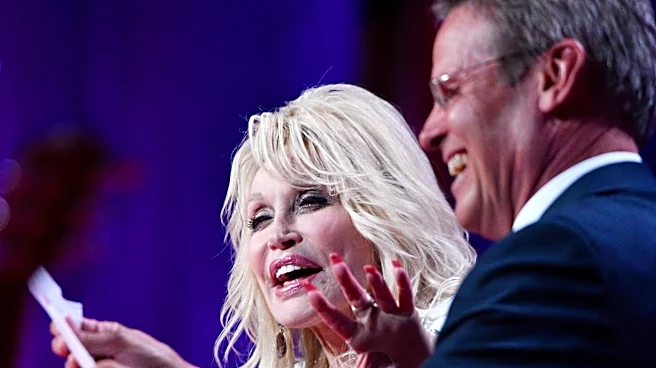
In 2015, she started calling me Chelsea because she thought I looked like Chelsea Clinton. At a Ryman press conference, she spotted me from the stage.
“I see you back there, Chelsea!” she announced into the microphone.
She knew my name. It just tickled her to call me Chelsea.
But her songs were the center of everything.
Dolly wrote “Jolene,” “Coat of Many Colors,” “My Tennessee Mountain Home” and “I Will Always Love You,” which became a phenomenon all over again when Whitney Houston recorded it for “The Bodyguard.”
Dolly earned her first solo No. 1 with “Joshua” in 1971 and later made acclaimed albums with Emmylou Harris and Linda Ronstadt. She returned to her Smoky Mountain roots with the Grammy-winning “The Grass Is Blue” and wrote the music and lyrics for Broadway’s “9 to 5.” Her honors included induction into the Country Music Hall of Fame, Nashville Songwriters Hall of Fame, Songwriters Hall of Fame and Rock & Roll Hall of Fame, along with the Kennedy Center Honors, National Medal of Arts and the Recording Academy Lifetime Achievement Award.
From the Opry stage to Hollywood
Her appeal went far beyond country music. Dolly made her Hollywood debut alongside Jane Fonda and Lily Tomlin in the 1980 film “9 to 5.”
She went on to star in “The Best Little Whorehouse in Texas,” “Steel Magnolias” and other movies. She became a television star through variety shows, specials and movies, including “Dolly Parton’s Coat of Many Colors,” which brought her meager East Tennessee childhood to a new generation.
But what she did with her success mattered just as much.

When East Tennessee needed her most
In 2016, our mountains in Gatlinburg caught fire. Friends lost homes and livelihoods, and flames came so close to Dollywood that sparks were reportedly landing in the park. Dollywood wasn't just an amusement park to us. It was the county’s biggest employer. If it burned, thousands could lose their jobs along with their homes.
Within 48 hours, Dolly created the My People Fund, pledging thousands of dollars to wildfire victims. Weeks later, her Smoky Mountains Rise telethon raised more than $9 million in one night.
That’s just a thimble of the goodness she shared with our hometown. Zoom out, and the scope is much larger.
Dolly established the Dollywood Foundation in 1988 to combat Sevier County’s 35% high school dropout rate. It offered graduates $500, and the dropout rate fell to 6%. The foundation continues to provide scholarships to local graduates.
Inspired by her father, who couldn’t read, Dolly launched the Imagination Library in Sevier County in 1995. By last year, it had distributed more than 300 million books worldwide to children from birth until they start school.
She also gave millions to health care, medical research and disaster relief, supporting research connected to Moderna’s COVID-19 vaccine, pediatric infectious disease research, children’s health care, a Sevier County hospital and Hurricane Helene flood relief. This year, East Tennessee Children’s Hospital in Knoxville was renamed Dolly Parton Children’s Hospital following what officials called a “generational commitment” from Dolly.
And there’s so much more.
How we must proceed now that’s she’s gone
So now, what do we do without her?
My precious dad died about two years ago. This year, when my 13-year-old son started eighth grade, he was assigned to write a six-word memoir. He wrote his about my dad:
“He’s gone. I can do this.”
I keep thinking about those words now.
Dolly had opinions about everything, but she rarely told the rest of us how to live. She used her own life as her testimony. She saw children who needed books, families who needed money, students who needed a reason to stay in school, neighbors who had lost everything – and she helped.
Maybe that’s what comes next.
She’s gone. We can do this.
We can give what we have. We can take care of our people. We can make somebody feel less alone. We can leave the place that made us a little better than we found it.
That’s what Dolly did.

Cindy Watts is a CMA Award-winning country music journalist who spent 20 years with the USA TODAY Network, including more than a decade at The Tennessean. Her work also has appeared in People, CMT and American Songwriter, and she is now editor of Nashville Lifestyles.
This article originally appeared on Nashville Tennessean: For many of us, Dolly Parton was home | Opinion