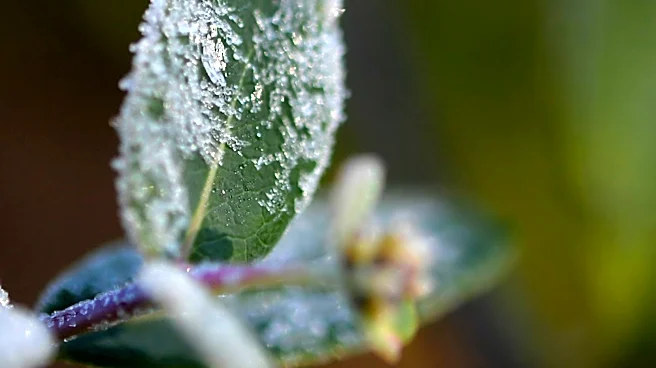








Cooler weather is coming to Tennessee, and thermostat experts say there are ways to stay comfortable while also saving money on heating costs.
The weekend of Oct. 17 will likely be one of the first chances this season when Tennesseans can feel fully comfortable trading out their shorts and T-shirts for jeans and a sweater. That also means folks will likely turn on the heat for the first time this season.
According to AccuWeather, Oct. 17 is expected to bring a high of 61 degrees. Cooler weather is expected to continue on Oct. 18, with a forecast high of 69 degrees.
The National Weather Service Nashville says the low is expected to be 47 degrees on Oct. 17 and 41 degrees on Oct. 18.
While many have waited for true fall weather to arrive, cooler temperatures bring a new set of responsibilities for homeowners and renters: thermostat management.
Get ready for severe weather by shopping on Amazon
Adjusting your thermostat for the colder months comes with several considerations, including the best settings for when you're away from home and the ideal temperature for when you're at home.
To reduce energy costs and stay warm, here is what you need to know about your thermostat this fall and winter.
What is the ideal temperature for your thermostat during cold weather?
The ideal fall and winter thermostat temperature is 68 degrees while you're awake and at home, according to the U.S. Department of Energy.
The agency also says lowering your thermostat by about 7 to 10 degrees can save as much as 10% a year on heating and cooling costs. Homes in milder climates may even save more than those in harsher ones by doing this.
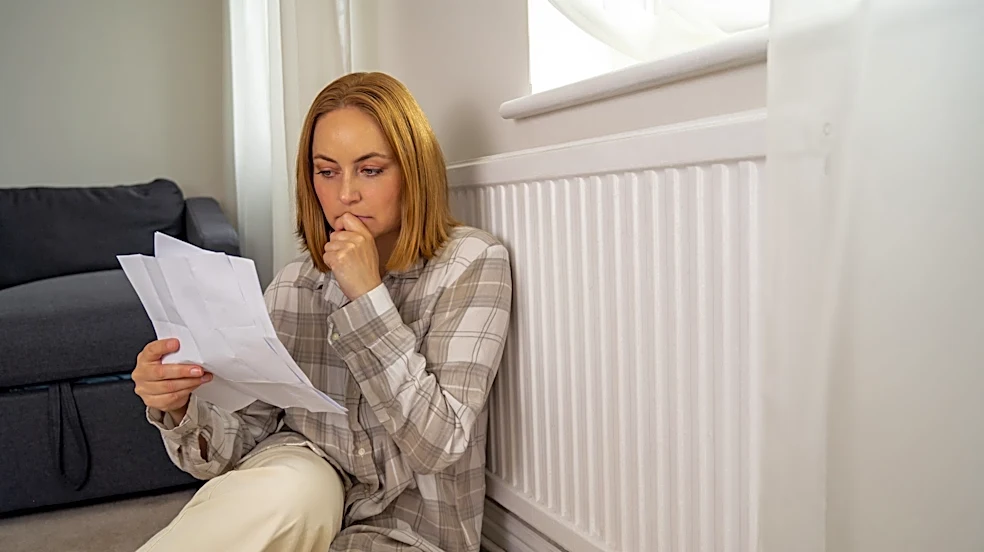
According to J.D. Power, the average monthly electric bill is $184. Average gas bills are about $141, while the average water bill is roughly $99 per month.
What are the best ways to stay warm and save money?

In addition to keeping your thermostat at 68 degrees, the U.S. Department of Energy also recommends using a programmable or smart thermostat to automatically adjust temperatures and avoid wasting energy.
If you don't have a programmable or smart thermostat, other money-saving strategies including the following:
- Check doors and windows for drafts and winterizing leaks with weather-sealing tape or caulk.
- Clean heating ducts and vents and keeping them uncovered.
- Replace air filters when needed.
- Schedule a maintenance appointment for your furnace or heating unit.
- Stock up on oil, gas and firewood.
Keeping your home at a lower temperature actually helps save energy. The cooler it is inside your home, the more slowly your home loses heat, requiring less energy to maintain an ideal temperature.
Is the burning smell normal when you first turn on your furnace?
A burning smell when you turn on your furnace or heat for the first time in a while is usually normal.
According to Carrier, dust often accumulates on the internal furnace components while the system sits unused during the warmer months. When the furnace starts up, that dust burns off, creating a temporary burning odor.
The smell should fade within 30 minutes to a few hours. However, if it doesn't fade, or if you smell burning plastic, electrical wiring, oil, rotten eggs or sulfur, turn off your furnace and call a professional.
USA TODAY contributed to this report.
Peter Burditt covers trending news and service journalism for The Tennessean. Contact him at PBurditt@nashvill.gannett.com.
This article originally appeared on Nashville Tennessean: Cold weather is coming to Tennessee. What should you set your heat to?
Our editors independently choose our recommendations. Some content is produced with paid support from a third party, however our editorial decisions remain independent. If you buy through our links, the USA TODAY Network may earn a commission. Prices and availability may change.