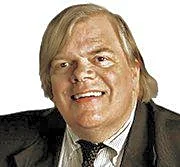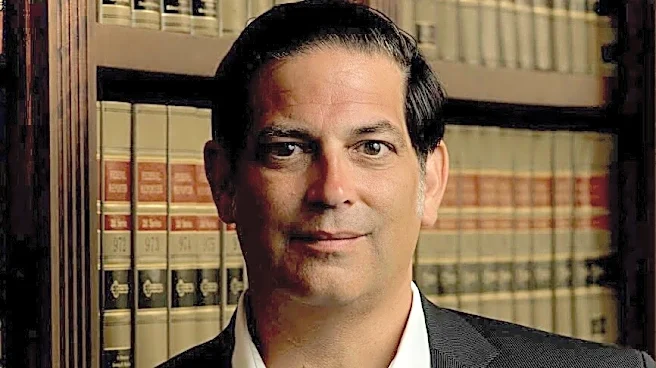


Ohio Debate Commission member Robert Alexander is a professor of political science and founding director of the Bowling Green State University Democracy and Public Policy Research Network.
While Ohioans did not get a chance to see their gubernatorial candidates debate
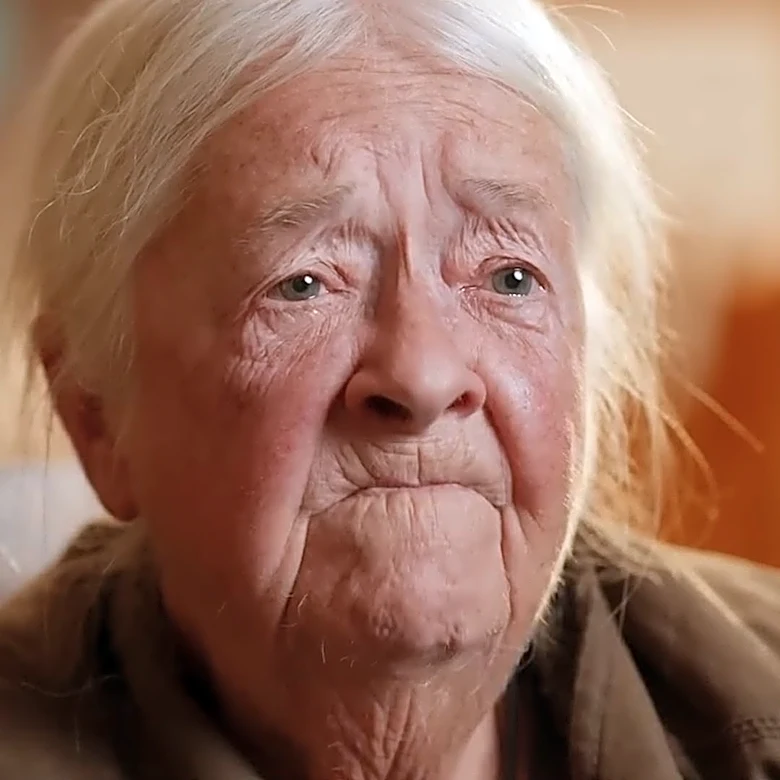
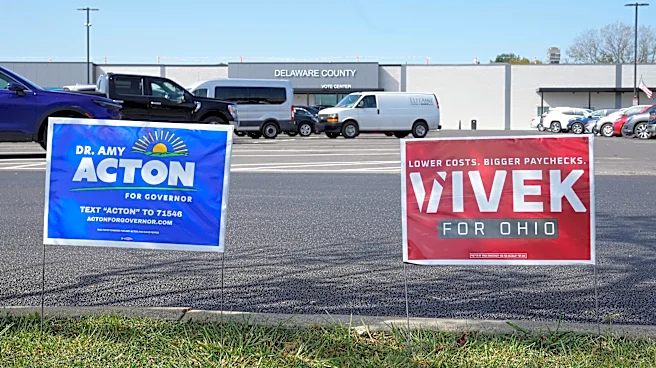
one another onstage, they have found themselves in the midst of a major debate over the release of an attack ad that has garnered national attention.The ad focuses on the personal history of Democratic nominee Dr. Amy Acton, including the difficult circumstances surrounding her childhood and her relationship with her estranged mother.
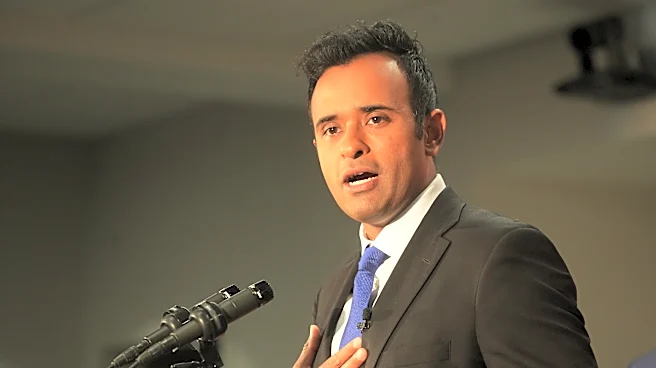
Whatever effect the Ramaswamy campaign thought this ad would have, it has set off a firestorm.
Casual observers of Ohio’s gubernatorial race are now
learning more about the circumstances of Acton’s origin story, and what they are finding is a compelling personal story.
Regardless of what one thinks of Acton’s politics, many voters would see someone who has overcome a great deal of turmoil in their life, including abuse, neglect and homelessness. Indeed, coverage of the ad has demonstrated Acton to be relatable and resilient to many.
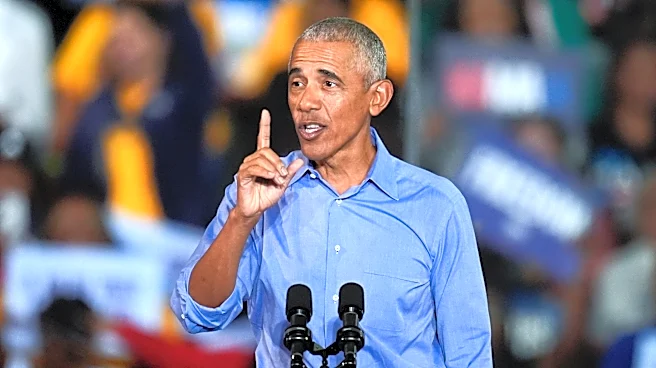
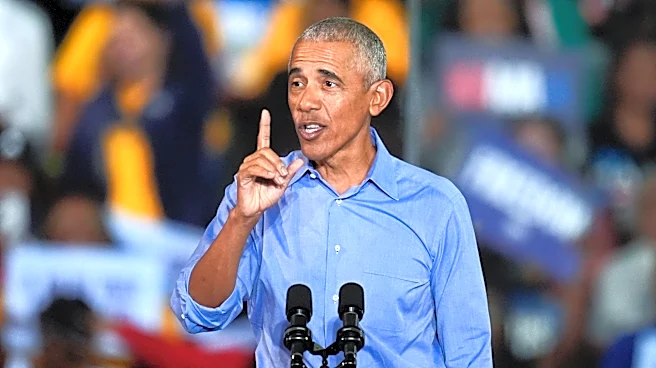
“In Ohio, we work hard and we watch out for one another,” Acton, who calls herself a survivor and a fighter not a victim, told the crowd at a rally Saturday in Cleveland featuring former President Barack Obama. “My opponent just doesn’t get it. Mr. Ramaswamy, you are not just out of touch. You are out for yourself, and you are a danger to my state.”
In response to the ad, Acton said, “I am not a victim. I am somebody who survived like too many Ohioans have abuse as a child, sexual abuse, child abuse, that’s why I have been fighting for the things I have fought for my entire life.”
The ad has even generated Republican-on-Republican criticism.
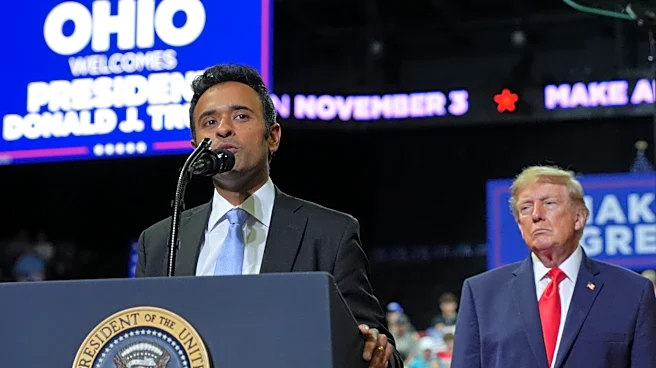
In a visit to Ohio to drum up support, JD Vance dismissed criticism of the advertisement and argued that Republicans should stop whining about aggressive campaign tactics. Less than 24 hours later, Gov. Mike DeWine called on Ramaswamy to remove the ad, suggesting there are limits to how campaigns should operate.
Ohioans have been bombarded with political advertising this cycle. In our polling of Ohio likely voters that concluded prior to the ad, we found 8 in 10 indicating they had seen quite a bit of advertising, 60% saying most of it has been negative, and the same number (60%) saying negative ads make them tune out campaign advertising altogether.
The thing that may drown Vivek Ramaswamy
Again, prior to the release of the ad, a wide margin believed that Ramaswamy was running more negative ads than Acton (51% to 28%), 72% wanted to see less advertising prior to Election Day, and the vast majority (78%) reported they have little trust in the claims made in political advertisements.
What could be most damning for Ramaswamy is that nearly 1 in 5 (19%) say that negative advertisements make them less likely to support the candidate sponsoring the ad. The potential for backlash from this advertisement is real, especially among those who value personality over partisanship, and Ohio has a significant number of these voters.
Despite our polarized era, Ohio has had a fair share of ticket splitters in recent elections.
In 2022, nearly 400,000 Ohioans supported Mike DeWine for governor while rejecting JD Vance for Senate. In 2018, nearly 300,000 voters supported DeWine while also supporting Sherrod Brown. Even in 2024, when Donald Trump carried Ohio by more than 11 points, more than 100,000 Ohioans appear to have supported Trump and Brown. Voters who are moved more by personality over partisanship will be most likely to be affected by what they are seeing with the attack ad on Amy Acton.
Why Ohio voters like Amy Acton
Acton’s lived experience may be one of the reasons why she has translated as a somewhat relatable candidate.
Our polling finds that she outperforms Ramaswamy when it comes to critical leadership traits such as honesty, caring about ordinary people, and sharing the values of voters. This is especially the case when it comes to independents. Among this critical group, we find that she leads Ramaswamy by 34 points (46% to 12%) on caring about ordinary people, by 32 points (44% to 12%) on sharing voters' values, by 27 points (39% to 12%) on honesty, and by 15 points (42% to 27%) on good judgment.
While we find that independent respondents aren’t particularly excited about any of the candidates we asked them about, it is clear they evaluate Acton and Ramaswamy differently.
We find Acton has a net favorability of -4, while Ramaswamy has a net favorability of -41. Whether fallout from the ad pushes these respondents from likely voters to certain voters and toward Acton remains to be seen.
In this same poll, we find that 75% of Ohioans think the current political environment is as toxic as it’s been in their lifetimes and 64% are often or always exhausted when they think about politics.
In a toxic political environment, relatability, empathy and trustworthiness can go a long way with voters. The ad has made the homestretch one where Acton is closing with her own personal story of resilience, while Ramaswamy is fighting off criticisms from prominent Ohio Republicans rather than promoting his vision.
That alone suggests the ad has not served its purpose for the Ramaswamy campaign. Regardless of the outcome in November, the ad will be the subject of debate for quite some time.

Ohio Debate Commission member Robert Alexander is a professor of political science and founding director of the Bowling Green State University Democracy and Public Policy Research Network.
This article originally appeared on The Columbus Dispatch: Ramaswamy was underwater with Ohio voters. Key reason ad may have drowned him | Opinion