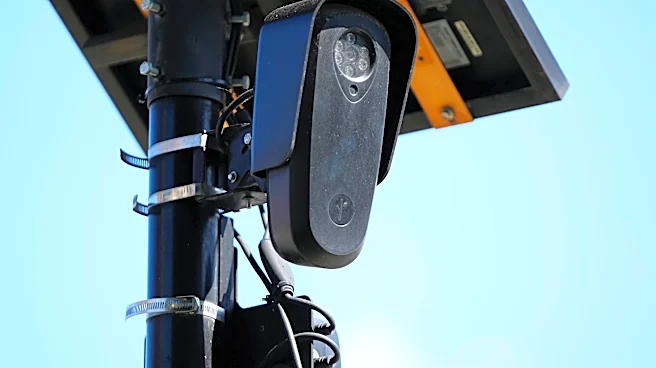





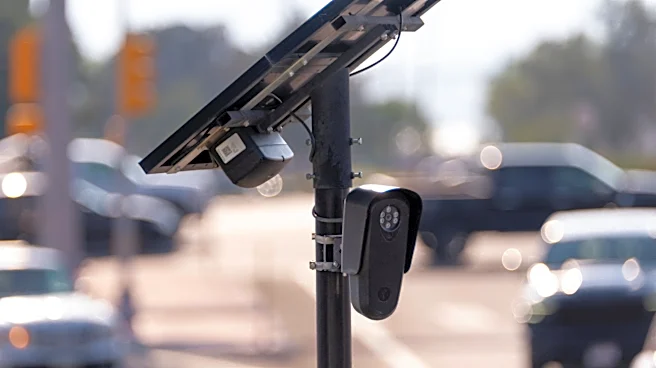


Columbus could be the next municipality to end its contract with Flock Safety for its automated license plate reading cameras.
The Dispatch has confirmed six Columbus City Council members, a majority of the nine-member body, would entertain getting rid of Flock cameras − and soon − because they don't believe existing safeguards do enough to satisfy their concerns. Chief concerns vary and some council members say they aren't ruling out ever using license plate camera technology.
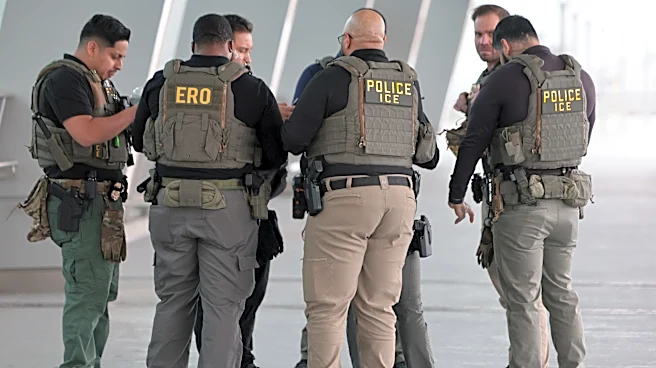
Different members cited issues with Flock Safety as a company; fears the Trump administration could use the data for immigration enforcement and reports that officers in other municipalities have misused the data for personal reasons like stalking.
"Columbus learned a long
time ago that a necessary ingredient of public safety is public trust," Columbus City Council President Shannon Hardin said in a statement to The Dispatch on Aug. 26. "That’s why I am not comfortable renewing the Flock contract, and I believe most of my Council colleagues agree. Council should take action on this soon and not wait until the contract comes up for renewal in December and we are assessing our legal options on that."
For weeks, Councilmembers Lourdes Barroso de Padilla and Melissa Green have publicly called for the cameras to come down. They confirmed to The Dispatch their positions have not changed and said the city should put bags over the cameras like Dayton has.
Coulcilmember Rob Dorans echoed calls from Barroso de Padilla for Mayor Andrew Ginther to disable the cameras himself. But the mayor, in a statement to the Dispatch, advocated for continuing to use the cameras and said he would roll out future safeguards.
Four more Columbus City Council members opposed to Flock
After a Columbus Metropolitan Club forum on Flock on Aug. 26, The Dispatch asked council members their stance and four additional members for the first time publicly expressed that they would vote to pause using the cameras: Hardin and Dorans plus Councilmembers Tiara Ross and Christopher Wyche.
Councilmembers Nick Bankston and Nancy Day-Achauer did not immediately return phone calls or texts seeking comment.
Councilmember Emmanuel Remy, who chairs City Council's public safety committee, has advocated for putting safeguards on Flock cameras but also said the devices are a powerful tool for solving crimes and finding missing people.
“I’ve heard the community’s concerns about Flock cameras loud and clear," Remy said in a statement to The Dispatch. "My responsibility as Public Safety Chair has been to bring this conversation into public view, gather the facts, and ensure my colleagues have the information they need to make informed decisions."
Remy said his office has drafted legislative options outlining several paths council could take and he has been clear that all options remain on the table, including ending the city's contract with Flock. "Whatever Council ultimately decides about Flock, legislation establishing responsible oversight of this type of technology will move forward. I look forward to working with my colleagues, the administration, and the [Police] Chief to determine the best path forward for Columbus," Remy said.
Columbus police, Ginther defend technology
Columbus police leaders say they have endeavored to put in place further safeguards on how they use the cameras in recent weeks and months.
Dorans said Columbus police leaders have made a good faith effort to protect Columbus' data but he doesn't believe Columbus can regulate its way out of this. For him, he said it's about the Trump administration seeking to weaponize these kinds of tools.

In his statement to The Dispatch, Ginther said the cameras have been an important tool for solving crimes and finding missing or endangered people. He said he will announce additional steps to strengthen oversight and protect privacy in the coming weeks. He also pointed to Columbus police announcing on Aug. 26 that every Flock search in Columbus must now be tied to a specific case number to help ensure appropriate use.
"Public safety and civil liberties are not competing values − they are both essential to earning and maintaining the public's trust," Ginther said. "That's the standard Columbus must meet. I understand why some residents have concerns, and those concerns deserve to be taken seriously. The question isn't whether we use technology − it's whether we use it responsibly."
Flock representative cited recent changes
Trevor Chandler, senior director of public affairs for Flock Safety, did not immediately return a phone call seeking comment. Chandler was a panelist at the Columbus Metropolitan Club forum on Flock alongside Remy.
"The number of cities that have signed up during this time is ten times the number of who have paused," Chandler said at the forum. "I'm not here to tell the city of Columbus and the council what to do or what the community should feel ... Every single community across this country has different values and there's the balancing of public safety and privacy. The great thing about Flock is that it's customizable."
The company has rolled out changes over time, including filters so clients can opt out of immigration and abortion-related searches and audit tools so clients can catch unusual search patterns.
Council members take nuanced positions
Hardin, who announced last week he will challenge Ginther for mayor, said he would encourage Ginther's administration to evaluate different technology paired with stronger and clearer guardrails on data, accountability, access and protections.
Ross told The Dispatch that she believes Columbus police should have cutting edge technology but not at the expense of civil liberties.
"And I don't believe that we are ready right now to do so given the lack of policy and laws and regulations that govern their usage," Ross said.
Wyche said it is a hard sell for him to move forward with Flock Safety and police have been solving crimes long before this technology existed.
Barroso de Padilla and Green have taken the hardest line on these cameras. But even Green has said she wouldn't rule out ever using license plate reading technology. They both would like the state and federal governments to do more to regulate evolving surveillance technologies.
Green pointed out many of the cameras across Franklin County are owned by suburbs, businesses, schools and homeowners associations.
"Us putting bags over city of Columbus cameras only solves a small part of the challenge we need to be talking about," Green said.
Government and politics reporter Jordan Laird can be reached at jlaird@dispatch.com. Follow her on X, Instagram and Bluesky at @LairdWrites.
This article originally appeared on The Columbus Dispatch: Columbus Council majority eyes ending Flock camera program | Exclusive