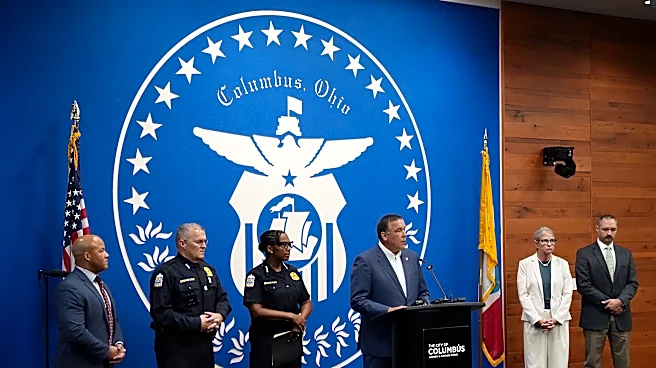





The Columbus Division of Police has announced it would pause its Flock automatic license plate reader program amid an investigation into an officer accused of searching the same license plate more than 270 times.
Mayor Andrew Ginther said Sept. 3 that the allegations against the officer are "deeply troubling" and undermine public trust. The officer has been "relieved of duty" as the city investigates, meaning he was required to return his gun, badge and other equipment, but is assigned a desk job at police headquarters and is being paid.
Columbus will immediately cease use of the cameras. The city will also audit all Columbus police Flock searches, and City Council is working to develop legislation governing the city's use of the license plate
cameras.
What prompted the city to pause its Flock program?
Melvin Tellis, a Columbus police officer on the City Council Executive Protection Unit who joined the force in 2017, was relieved of duty after the division learned about his Flock searches.
Tellis searched for a single license plate more than 270 times over about 14 months between November 2023 and December 2024, according to a USA TODAY analysis of public records. The reasons for the search given were generally vague, including reasons like "location."
Police Chief Elaine Bryant declined to provide any details about the license plate Tellis is accused of searching, but she said the division believes the searches were not related to his job.
Bryant said the division learned about the searches Sept. 1, the day after The Dispatch first began asking questions about Tellis' search history flagged as suspicious in a USA TODAY database.
The division relieved Tellis of duty as it conducts an investigation into his searches.
The Dispatch has not been able to reach Tellis for comment. Columbus police officers are generally not allowed to speak to the media without permission from the division.
What are Flock Safety cameras?
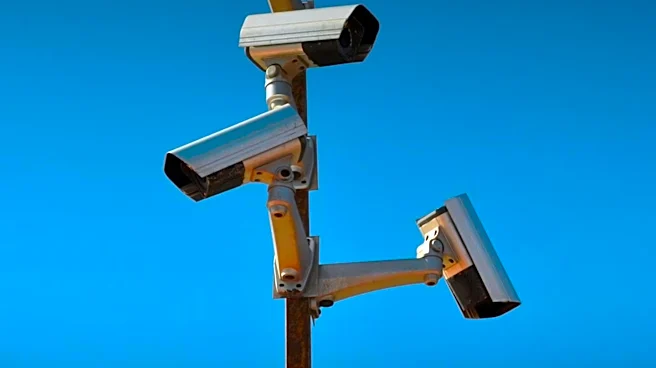
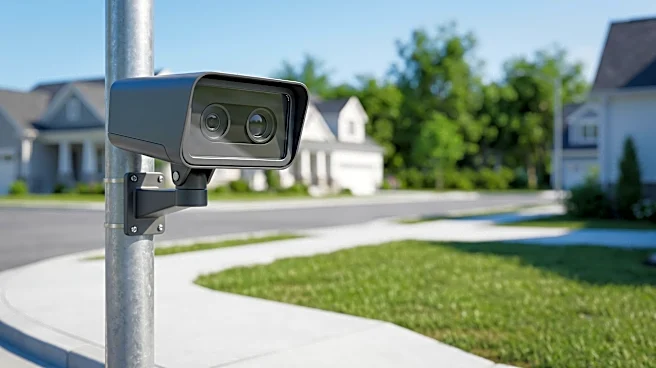
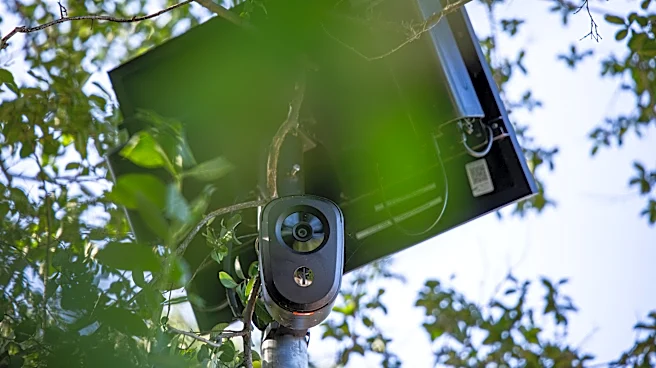
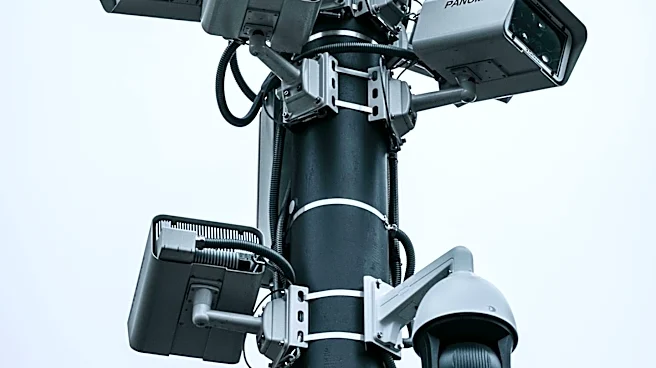
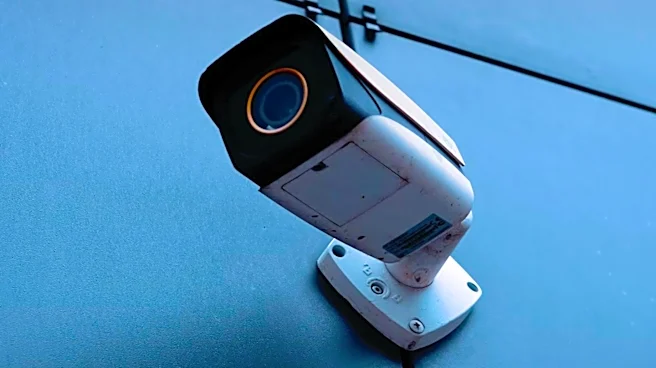
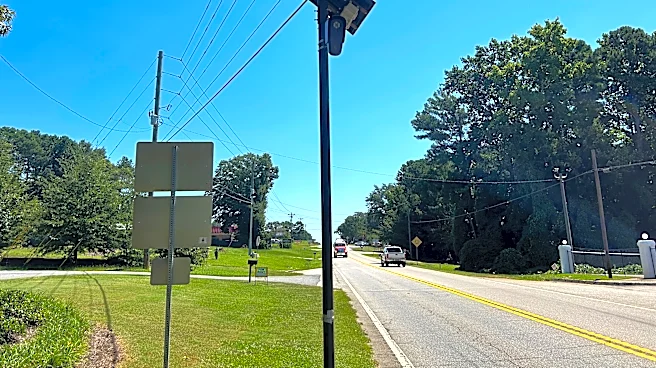
Flock Safety is a company that manufactures and operates automated license plate recognition cameras. The cameras monitor traffic and photograph the back of passing vehicles, recording license plate numbers and other distinguishing features.
Police agencies, insurance companies and other entities with contracts with Flock can then search databases of photographs by license plate number.
Use of the cameras has come under fire in Columbus and other areas. Supporters say the cameras help police find stolen vehicles and missing people, and solve homicides and other crimes. But critics of the technology say they threaten civil liberties, pointing to cases in which the cameras have been used to track a woman suspected of seeking an abortion across state lines and aid immigration enforcement despite local policies in Columbus and other places forbidding some police from doing so.
A Columbus police audit found over 15,000 searches of city Flock cameras potentially related to immigration enforcement, and a Columbus police officer used Flock cameras to investigate a personal vehicle crash.
Two Reynoldsburg police officers resigned in July amid investigations into their Flock use. The Worthington City School District canceled its Flock contract early to prevent a "potential loss of public trust in our schools," its superintendent said Sept. 1.
A majority of Columbus City Council members told The Dispatch that they would be in favor of ending the Flock program.
What will happen to the cameras?
Flock owns and operates the cameras. Columbus will put bags over them to prevent them from collecting data.
In May, Dayton did the same. City workers placed black trash bags over 72 cameras in Dayton after the city learned the cameras were being used for immigration-related searches.
Columbus' contract with Flock expires in December.
Public safety and breaking news reporter Bailey Gallion can be reached at bagallion@dispatch.com.
This article originally appeared on The Columbus Dispatch: What we know about Columbus pausing Flock program amid misuse allegations