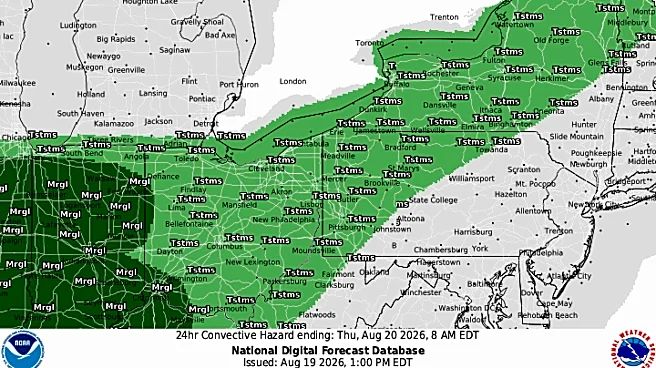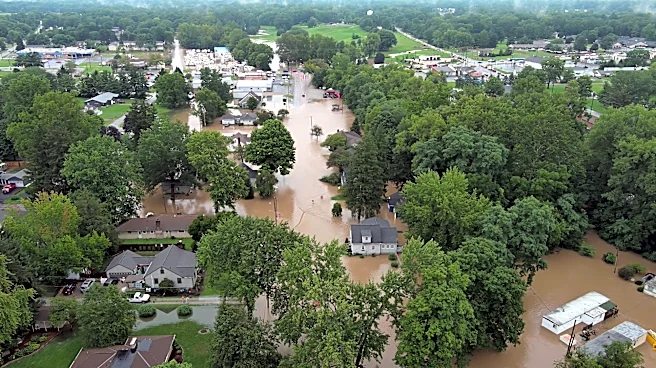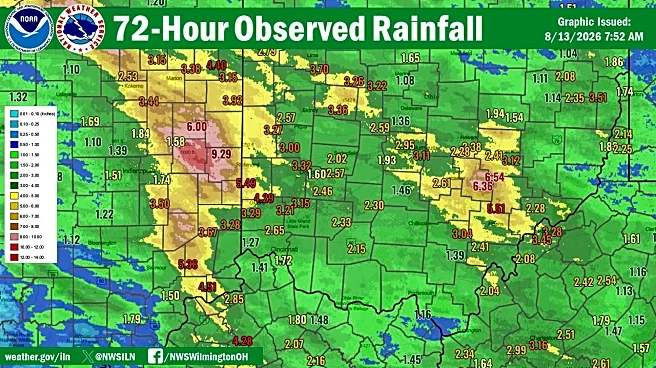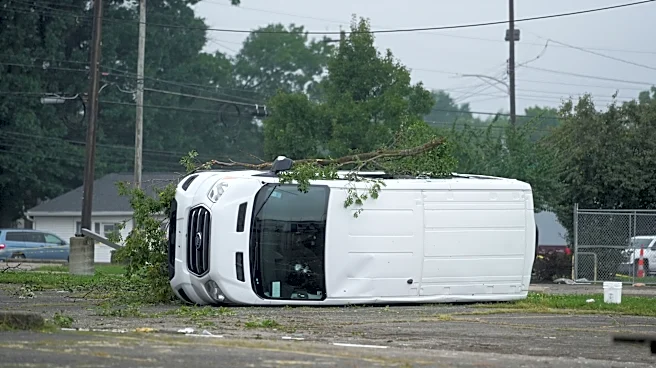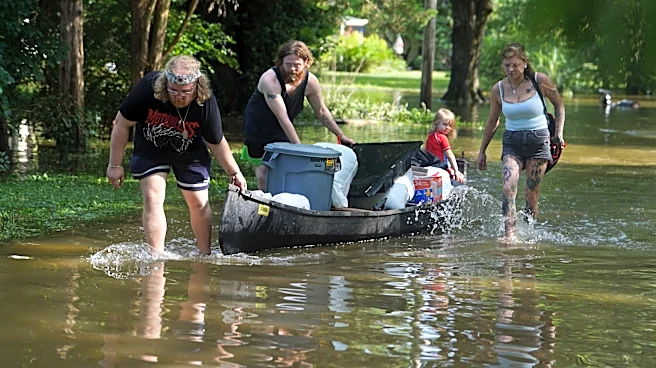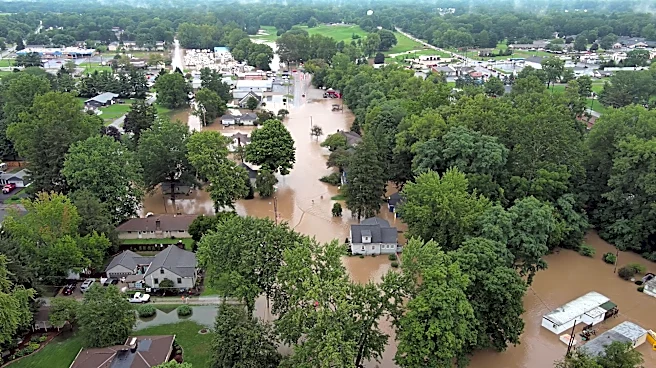


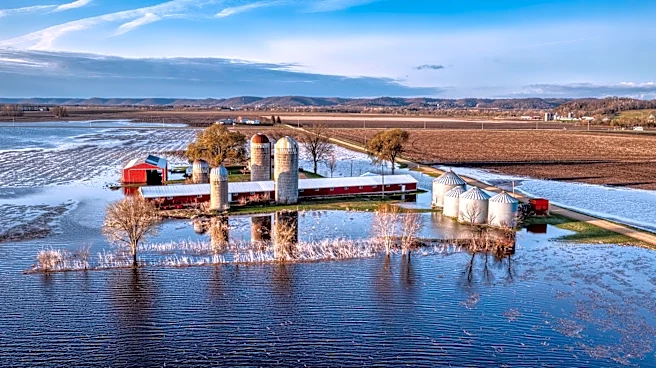
Flash flooding in central Ohio has closed roads and forced water rescues on Aug. 20. Parts of central Ohio including southwestern Franklin County, southern Delaware County, northwestern Fairfield County and northwestern Pickaway County were under a flood warning until 10:15 a.m.
Meanwhile, a flood watch is also in effect until Thursday afternoon for several east-central and southeastern Ohio counties that have already been hit hard by flooding, including Perry, Muskingum and Morgan counties, which were designated disaster areas by Gov. Mike DeWine.
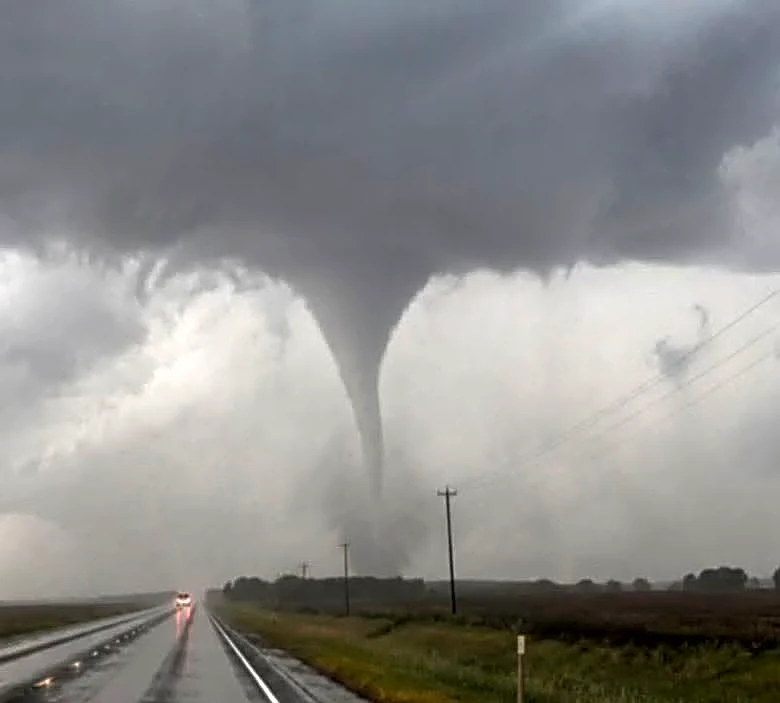
Like tornadoes, the National Weather Service has a warning system in place for floods and flash floods.
And also like tornadoes, the system for flooding uses the same terminology, and can be just as
confusing.
So, what's the difference between a flood watch and a flood warning? Here's what you need to know.
What is a flash flood warning?
A flash flood warning is issued when a flash flood is imminent or occurring, according to the NWS. If you are in a flood prone area, move immediately to high ground.
A flash flood is a sudden, violent flood that can take from minutes to hours to develop. It is even possible to experience a flash flood in areas not immediately receiving rain.

What is a flood warning?
A flood warning is issued when flooding is imminent or occurring.
What is a flood watch?
A flood watch is issued when conditions are favorable for flooding. It does not mean flooding will occur, but it is possible.
What is a flood advisory?
A flood advisory is issued when flooding is not expected to be bad enough to issue a warning. However, it may cause significant inconvenience. If caution is not exercised, it could lead to situations that may threaten life and property.
How to stay safe when floods hit Ohio
One of the best ways to stay safe in a flood event is to be prepared. Here's what Ohioans should do before, during and after a flooding event:
- Prepare early: Before a flood happens, the NWS recommends comprehensive preparation for your home, pets, and family. This can mean assembling an emergency kit with food, water and medicine in case water or power services are interrupted or in the event of a flood-related evacuation. Be sure to charge any electronics beforehand and map out the safest ways to get to higher ground.
- During a flood: Avoid floodwaters and walking, swimming, or diving through any water. Instead, the NWS says to get to higher ground immediately. Don't go into a basement or flooded rooms with electrical outlets. Listen to local safety alerts and evacuate if instructed. Avoid driving in floodwaters.
- After a flood: If flood water is still present, continue to avoid going into the water. Sewage, chemicals, gas leaks, sharp objects, and live power lines are potential hidden dangers. The NWS says not to enter disaster areas, including your home, until given the all clear by authorities that the area is safe.
This article originally appeared on The Columbus Dispatch: Flood watch vs. flood warning: Which is more serious?