








Each of the Great Lakes is unique, yet some of what happens to one can affect the others.
A notable example includes the spread of invasives such as sea lampreys, alewives, white perch, spiny water fleas, round gobies and mussels – scores of species haphazardly released in the largest bodies of surface freshwater on the planet.
The presence of each represents an offense against the native dwellers. But there's potentially worse.
THE GREAT OUTDOORS: More on Ohio hunting and fishing
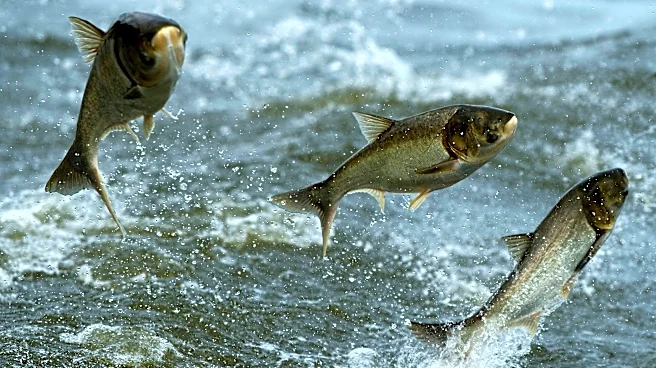
Silver and bighead carp, invasives brought without consideration of consequences to the United States to control vegetation at southern fish farms, could be a game-changer.
Virtually everyone who fishes, recreationally or commercially, knows carp – as ubiquitous as silver
carp and as enormous as bighead carp – could mess with the food web. What’s threatened, along with priceless native fish life, is an $8 billion fishing and tourist industry dependent on healthy Great Lakes.
Floods allowed the carps to escape into the Mississippi River, from where they spread into tributaries, a few of which offered gateways to the Great Lakes. Ohio and other states have closed virtually all of the gateways.
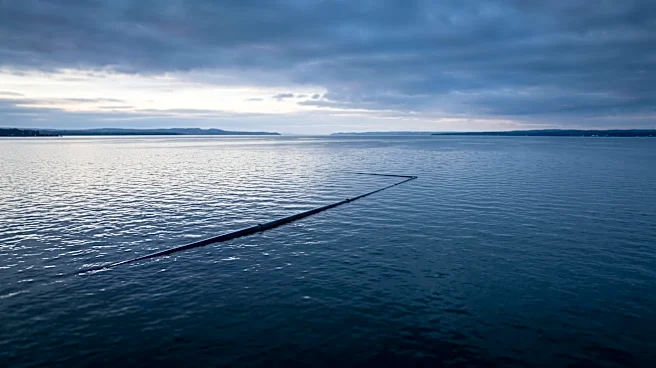
Still, one portal thought to be especially vulnerable remains near Chicago. Long ago a link between Lake Michigan and the Mississippi drainage was opened with the idea of promoting commercial boat traffic between the Windy City and the river ports down to New Orleans and beyond. The link was completed well before Asian carps were imported, let alone posed a threat.

The carps’ presence at the gate of Lake Michigan caused a public uproar, especially after photos emerged of leaping silver carp practically in suburban Chicago. The federal government committed to a $1.1 billion project designed to ensure that the carp advance would be stopped. Work to refurbish an existing barrier was slated to be completed by 2029.
President Trump, though his environmental record is considered to be wanting by many on the planet-saving side, announced support for the carp barrier.
Work, however, was stopped in late July by federal mandate without explanation.
The Trump administration has criticized Illinois regarding its ongoing role as a partner in the project. The work stoppage could well be a matter of escalated jousting between Trump and a tough-talking political foe, Illinois Gov. J.B. Pritzker, a Democrat with presidential aspirations.
On the same recent day Pritzker sent Trump a blistering letter assailing the president for the work stoppage, a go-ahead was issued to resume work.
FOR BETTER SEARCHES: Prefer The Dispatch on Google
Michigan Gov. Gretchen Whitmer, another Democrat said to have national ambitions, was credited with making the appeal that got the project moving again.
The subject of invasives connects to the recent death of Howard Tanner, age 102.
Tanner, as chief of Michigan’s Fishery Division, spearheaded what became a spectacularly successful effort to introduce Pacific salmon in Lake Michigan. The aim was to reduce the vast number of alewives, which it did.
The presence of catchable salmon “revolutionized the fishing landscape of the Great Lakes,” wrote Max Reinhart in The Detroit News.
Ohio’s successful steelhead program can be traced to Tanner’s success.
This article originally appeared on The Columbus Dispatch: Silver and bighead carp threaten native species, Great Lakes tourism