






The snapping turtle, which is common throughout Ohio, is probably the closest thing to a dinosaur that we have left. Fossilized “snapper” relatives dating to 60 million years ago are essentially indistinguishable from the snappers that occupy Ohio’s wetlands today.
Turtles clearly have one-upped the dinosaurs in the longevity department. Most dinosaurs vanished during a mass extinction event during the Cretaceous period, about 65 million years ago. The tyrannosaurus rex, triceratops, stegosaurus and other massive reptiles that once wandered North America were killed off by the Chicxulub asteroid event.
When that asteroid slammed into the Yucatán Peninsula of Mexico, the resultant chaos wiped out about 75% of Earth’s flora and fauna. Most dinosaurs
did not survive.
But tough turtles did. The order Testudines, which includes all turtles, arose during the Triassic period, about 220 million years ago. The ancestors of the 200 turtle species found worldwide today rubbed elbows with dinosaurs and all manner of ancient life that got erased by the massive asteroid.
Ohio is currently home to 11 turtle species, and the protagonist of this column, Chelydra serpentina, is likely the best-known. Snapping turtles might turn up in any wetland in the state and are present in every county. Those with a fondness for turtle soup certainly know the big, armored beasts. My grandfather used to set out baited trotlines in a small farm pond, the hooks skewered with old beef or chicken chunks.
I have vivid memories of Granddad carrying huge snapping turtles back to the house, then dispatching them with a quick beheading by ax. The resulting turtle stew was thick and rich, spiced with tomatoes and various vegetables. He considered it a culinary delight. Even then, your young narrator appreciated the living turtles much more.

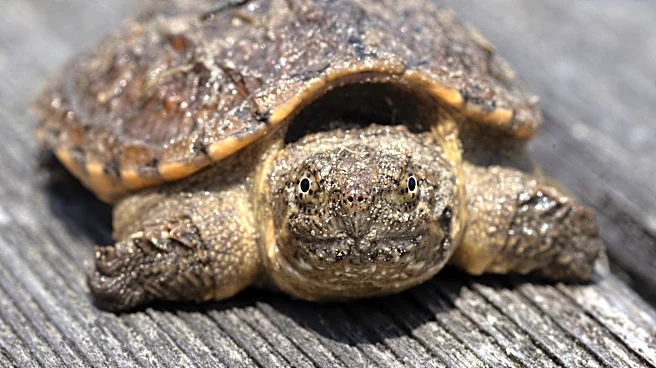
The accompanying photo shows a baby snapper, perhaps a month old. I encountered it last summer at Cedar Bog near Urbana and temporarily detained it for photos. If all goes well for the little fellow, it might outlive everyone reading this column. An especially massive snapping turtle in Ontario, named Grace, was thought to be about 125 years old when she died in 2022. Grace’s shell was about 16 inches in length and she weighed 26 pounds.
While Grace may be the oldest-known snapper, she doesn’t hold the weight record. Some exceptional beasts exceed 35 pounds – heavier than the dumbbells used by many gymgoers. The record is 98 pounds, the famous Big Snap Daddy at Schramm Education Center in Nebraska.
The odds of reaching Grace-like longevity are not great. Female snapping turtles lay large clutches of eggs, over 100 in some cases. Such reproductive fecundity tells us one thing with certainty: Predations rates are sky-high. They must lay large numbers of eggs to better ensure that at least a few hatchlings survive the predatorial gauntlet.

It takes about 12 years for a snapping turtle to reach sexual maturity, but most will never reach that milestone. Probably only a few percent of them reach adulthood. Young turtles have legions of predators, and the eggs are coveted by raccoons and skunks who dig them from the ground. Great blue herons, otters, large-mouthed bass and many other predators eat the hatchlings.
If the turtle can survive to adulthood, it has few worries other than the world’s most dangerous predator, Homo sapiens. And even many a person has been cowed by the large ill-tempered reptiles. When confronted on land, a snapper holds its ground, and snaps menacingly at the interloper. They can certainly draw blood, but the impacts of bites are mostly greatly exaggerated. They can’t snap broom handles in half and normally don’t amputate fingers or break bones. Nearly everyone who does get bit is behaving stupidly toward the turtles. Just give them space. Interestingly, when in the water, snapping turtles seldom, if ever, attempt to bite. They do their best to swim away from the threat.
Snappers are generalist feeders, consuming everything from algae and plants to fish to crayfish, worms, small mammals and birds. Such a catholic diet helps them live in diverse habitats and is a major reason for their success.

I must confess to ruing snappers’ habit of taking waterfowl chicks. The big turtles pull them under the water and wolf down the flightless fuzzies. But turtles have been eating waterfowl for millennia with no substantive impacts. But it is enough of a threat that underwater snapper raids have led to an interesting defensive adaptation by a few duck species, most notably the common merganser.
The ducklings often ride on the hen’s back, as they’re safe from turtles when so ensconced. An issue for the ducklings is that not all of them can fit up there at once, so it is often a constant battle of ducklings pushing their siblings off so they can hop aboard.
Snapping turtles are an age-old part of Ohio’s biodiversity, fascinating living fossils and one of the longest-lived vertebrate animals. Every effort should be made to protect these armored Methuselahs.
Naturalist Jim McCormac writes a column for The Dispatch on the first and third Sundays of the month. He also writes about nature at jimmccormac.blogspot.com.
This article originally appeared on The Columbus Dispatch: 'Living dinosaurs' can be found in Ohio wetlands