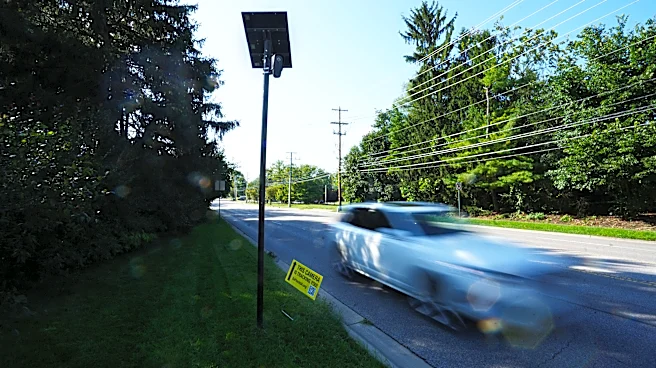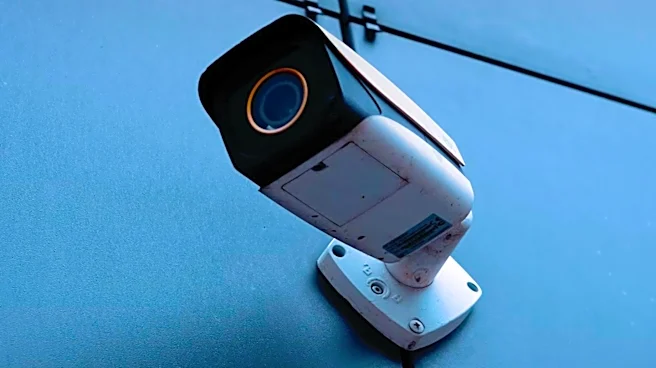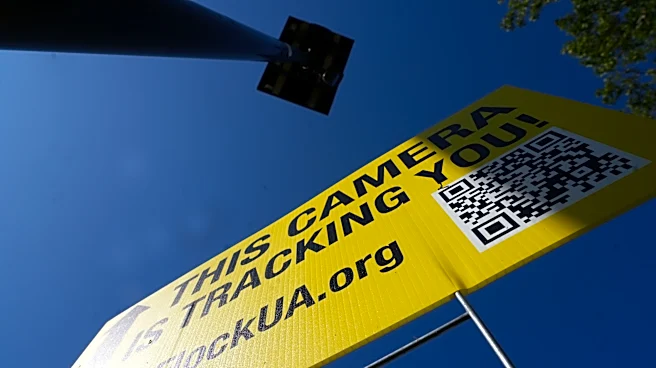







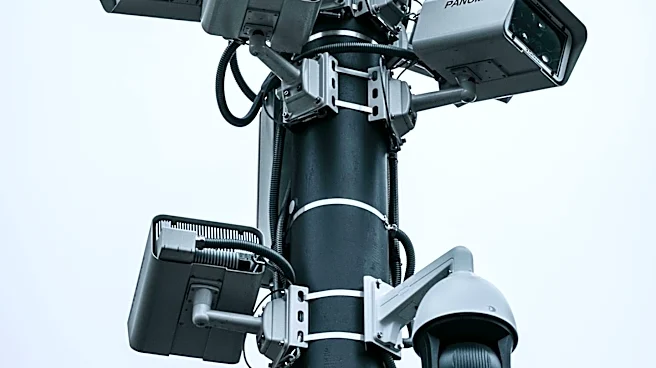
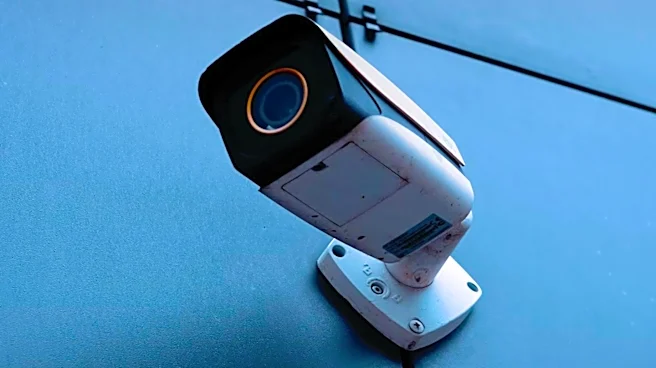
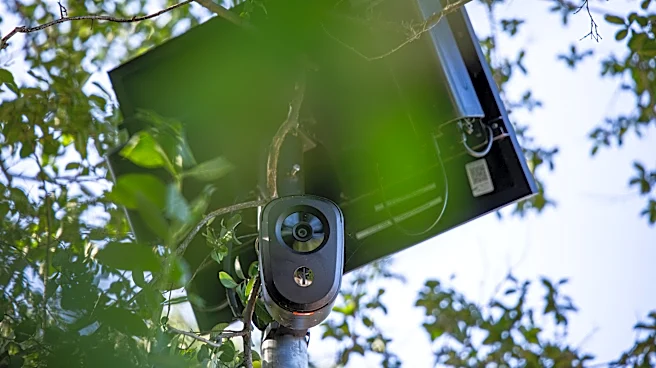
Following a series of Dispatch reports on the controversial use of Flock cameras, the Columbus Division of Police has announced that it is adopting new policies and safeguards governing automated license plate readers.
The Sensor Technology directives, announced Friday night, Sept. 4 in a two-paragraph statement, take effect Sept. 30 and establish a series of new guardrails governing the use of automated license plate readers (ALPRs).
"In a continuing effort to maintain transparency and adapt to ever-changing technology in law enforcement, the Columbus Division of Police has implemented new policy on Sensor Technology. This policy on Sensor Technology, i.e. Flock, is intended to safeguard civil liberties and have system audits in place to ensure
compliance," the police news release states.
Among the most significant changes is a seven-day limit on the retention of data from the cameras unless the information is identified as evidence in a criminal investigation. Under the policy, officers who want to preserve ALPR data must make arrangements to have it saved to an evidence file before the seven-day retention period expires.
Officers are also prohibited from using the technology for immigration enforcement unless there is a judicial warrant, a reported criminal violation or an arrest, according to the new policy. The policy further bars officers from using ALPRs to gather information about people seeking reproductive care or to monitor individuals solely on the basis of First Amendment-protected activities.
The directive also bars officers from using an ALPR alert as the sole reason to stop a vehicle. Instead, officers must verify that the vehicle matches the alert and determine a lawful basis for the stop.
The new directives come after extensive reporting by The Dispatch revealed several issues with the AI-powered technology, including that a Columbus officer used it to search a single license plate more than 270 times between November 2023 and December 2024.
Police Chief Elaine Bryant told The Dispatch that the division learned about the searches on Sept. 1, the day after The Dispatch first began asking questions about officer Melvin Tellis' search history flagged as suspicious in a USA TODAY database. Tellis, has been relieved of dutywhile police investigate, meaning he was required to turn in his gun, badge and other division equipment, but is assigned a desk job at police headquarters and is being paid.
The revelation prompted Mayor Andrew Ginther to pause the use of Flock cameras by Columbus police.
The city will also audit all Columbus police Flock searches under the policy, and City Council is working to develop legislation governing the city's use of the ALPRs. Columbus will put bags over the cameras to prevent them from collecting data.
Reporter Shahid Meighan can be reached at smeighan@dispatch.com, at ShahidMeighan on X, and at shahidthereporter.dispatch.com on Bluesky.
This article originally appeared on The Columbus Dispatch: Columbus police announce new policies for Flock cameras