






Leaves, fruit, bark, twigs — you name it — are a hassle to clean up and remove when they fall from a tree. The last thing you want is for those to fall into your yard or onto your house from a tree that doesn’t belong to you.
Do branches from your neighbor's tree hang over onto your property? You're allowed to responsibly trim branches that cross over onto your property. But what about the leaves that fall every year? Here are the details to know as Ohio gets ready for fall colors and the clean up before winter arrives.
Do I have to clean leaves from my neighbor's tree?
Your yard is your responsibility, so whatever falls onto your property line is yours to deal with. Leaves, acorns, and other tree products that
end up on your property are considered natural occurrences, and they are the responsibility of the person whose land they end up on, according to FindLaw.com.
Even if the leaves cause damage, like clogging pipes, you likely have no legal claim against your neighbor, according to FindLaw.
However, if your neighbor is neglecting a rotting tree, they may be responsible for taking care of it to prevent the tree from causing harm, according to the Ohio Bar.
Should you rake leaves before winter? What's good for your yard

Yes, your leaves will fall and eventually decompose and become soil, but that’s only if the leaves fall in more wooded areas where the grass is not growing.
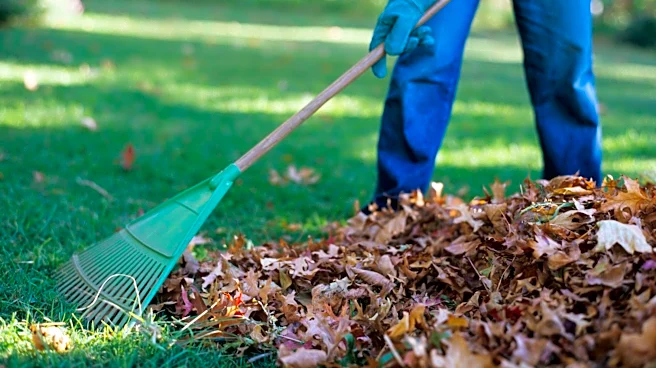
If your yard is covered in green grass, you should rake them. Why? Because sunlight and moisture needed for the grass will get blocked by the leaves, causing your lawn to starve, according to Consumer Reports. A clear yard will keep your lawn warm with sunlight and give it continuous growth before winter.
Don't want to rake leaves? Run over them with a lawn mover
Using a lawn mower won’t really get rid of them, but it’ll be the quick fix to your leafy problem.
This method is called mulching the leaves, where mowing over them turns into bits. That way, the leaves can break down faster.
As the leaves decompose, your lawn can still receive sunlight, moisture, and the benefits of nourished soil from the organic mulched leaves.
Can I cut branches off my neighbor’s tree?

If the tree is not on the boundary line, is on your neighbor's side of the property line, and you don’t have an interest in owning the tree, you have the legal right to cut down branches hanging on your side of the boundary line, per Ohio State University’s Farm Office.
However, it comes with a rule. You must cut it off with “reasonable care” and make sure not to cause any harm, disease, or death to the tree.
What if the tree is on the boundary line?
If a tree stands on both sides of the property line between you and your neighbor, you both have ownership of the tree.
However, if only the roots or branches of your neighbor's tree extend onto your property, that would not give you any ownership rights, according to the OSU Farm Office.
Can I remove a tree if it’s on the boundary line?
You cannot remove a tree on the boundary line without your neighbor’s approval. You both have equal ownership over the tree.
If you remove a tree without your neighbor’s permission and your neighbor does not agree to this decision, you could be liable to them.
What if your neighbor's tree damages your property?
Does your neighbor have to pay if their tree falls into your house or a branch falls off and damages your roof?
Possibly.
If your neighbor knew their tree was weak, diseased or clearly dangerous, then they could be liable for any damages caused, per the OSU Farm Office. Your insurance provider might help establish your neighbor's liability for any damage caused by their tree, but it's unlikely the law would find your neighbor liable if the tree was strong and healthy.
What does Ohio law say about harming a tree?
Injury to vines, bushes, trees, or crops on the land of another, is referred to as the “reckless destruction of vegetation law”, according to Ohio Law. The word “recklessly” refers to the complete disregard for the rights of the landowner who owns the plant or tree.
This article originally appeared on USA TODAY: Leaves from your neighbor's tree are your responsibility. Here's why