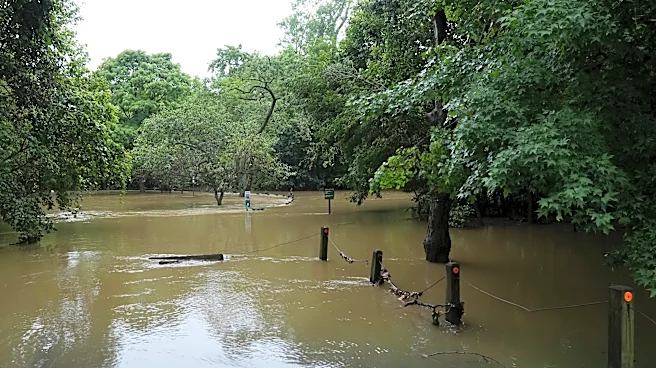









As rain pelted her Northside home Aug. 19, Kara Blomgren studied her laptop, monitoring rain gauges, including one in Worthington, a few miles from her home.
As resource manager for the Army Corps of Engineers, she is responsible for Delaware Lake's dam outflow gates and its dam keepers.
She glanced twice at the Worthington gauge, located along the Olentangy River near a park and tennis courts.
"I couldn't believe what I was seeing," Blomgren recalled. "I saw the quick spike in the (Olentangy) river."
Delaware Dam is fed by tributaries in its northern watershed. And Wednesday night most of the rain was at or south of the dam, so not feeding the dam directly. But south of the area, a third of an inch had fallen, on top of three inches in other areas
from previous days.
She immediately called the closest dam keeper, an employee in Zanesville who immediately drove to northen Delaware County to close the dam's outflow, an attempt to prevent downstream flooding.
Shutting the dam's gates happens quickly. But it takes 6-to-8 hours to have an effect on Worthington, Blomgren said.
The Olentangy River near Worthington measured about 8.4 feet at 8 a.m. Aug. 20, down from a high of about 10 feet around 4 a.m.
Just before noon Aug. 20, she said, "We are still shut down. Our gates are not open." Other gates are monitored by Columbus at Griggs and O'Shaughnessy dams.

The top of Delaware Dam is 947 feet above sea level, above which the dam would "free spill" over the gates, leaving no control. Currently, it is about 920 feet, or about 4-to-5 feet above "summer pool," which is typical. for the summer.
Even with significant room to rise, balancing the dam levels with downstream water levels is critical.
"Our mission is flood damage reduction — to hold back water and flooding that can occur downstream."
"Our dam's operating as it should," Blomgren said., noting "It's been a wild month of August."
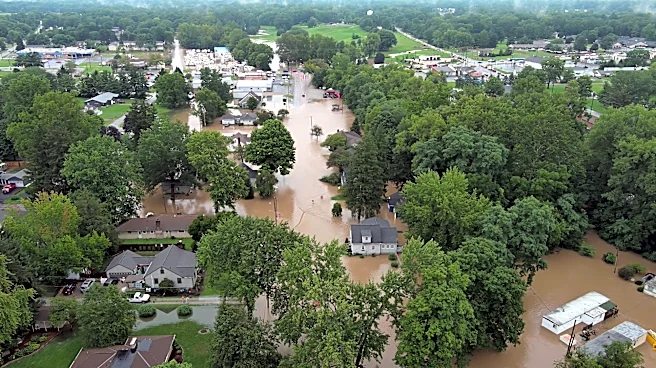
A decision has been made to wait until the Olentangy and Scioto rivers subside before reopening the gates and releasing pressure on the dam. The rising river levels that will occur well after rainfall stops is caused by the water's release, Blomgren said.
Growth and development reporter Dean Narciso can be reached at dnarciso@dispatch.com.
This article originally appeared on The Columbus Dispatch: Delaware dam keepers work through the night to help allay Columbus flooding