






After more than $50 million in cuts last year, Columbus City Schools may still face tough decisions in the future despite projections that revenue will grow faster than expenses.
According to an updated five-year forecast presented at the Aug. 18 CCS Board of Education meeting, the district is still projected to be out of cash by fiscal year 2030 and to deficit spend more than $50 million in the current fiscal year.
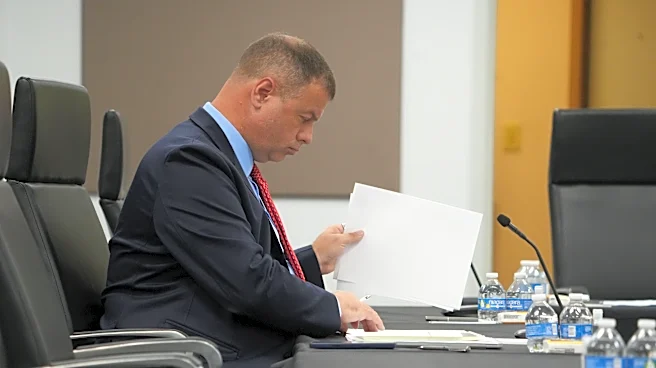
However, Treasurer Ryan Cook said there is some good news in the five-year forecast as district revenue is expected to grow more than twice as fast as expenses and the district "is on track" with its previous projections. Cook said the district was
actively working to reduce its deficit spending.
"We're not out of the woods yet; we're taking adequate steps to head the right direction, and we're seeing that," Cook said.
Board President Antoinette Miranda said that despite positive progress on the budget, additional cuts will likely still have to come.
"We're about educating kids, and we're going to do whatever we can to make sure [the district's financial problem] doesn't get to the classroom to the extent possible," Miranda said.
According to data presented, the district expects to grow revenue by more than $90 million, a 2% increase, with much of that coming from a reduced transportation penalty, reflecting $48 million over five years, updates in the state funding formula and higher investment earnings.
"I want to be clear, there was no helicopter that showed up and dropped bags of money to my office," Cook said. "This is the diligent, deliberate hard work of our transportation team.
However, the district forecast expects $20 million less in local tax revenue due to lower valuation growth and delayed reappraisals. The district projects that over the five-year period 77% of its revenue will come from the local tax base.
"We are heavily dependent on our local tax base," Cook said.
District expenses are expected to grow $41 million, or .8%, mostly due to payroll increases, including a 2% annual cost-of-living adjustment negotiated by the Columbus Education Association. Personnel costs, including pay and benefits, make up more than 83% of the district's budget and are its largest expense.
"We still have work to do, but we're going in the right direction," Cook said. "We're not shying away from controlling the things we can control."
Financial picture worsened despite cuts in early 2026
In December 2025, the board approved budget cuts to administration, faculty and staff. The board also voted to cut district programs and close four buildings to patch a $50 million hole in its budget, capping a months-long process.
In total, the approved cuts amounted to roughly $50.4 million. Throughout 2025 and 2026, the district approved hundreds of faculty, staff and administrative cuts, slashed busing to thousands of students and approved the closure of four buildings.
Despite sweeping cuts, The Dispatch reported in February that the district's financial picture continues to worsen. The largest change in the financial projection comes from a $93.4 million health insurance premium increase over the five-year forecast and changes to the state's property tax law.
The Dispatch previously reported that an internal report found that the district lost $40 million dollars after deals an employee signed with health insurance consultancy firm Aon led to an underfunding of the district's self-insurance fund. At an Aug. 4 meeting, Miranda said the cost overrun was detected by human resources personnel, and no money has come from the district's general fund in the past two years.
Miranda said the insurance reserve fund covered the increases and did not affect the cash flows for those years, including the budget for the current school year, but said premiums will impact future budgets.
Cole Behrens covers K-12 education and school districts in central Ohio. Have a tip? Contact Cole at cbehrens@dispatch.com or connect with him on X at @Colebehr_report
This article originally appeared on The Columbus Dispatch: As CCS' five-year picture slightly improves, tough questions still loom