



Ohio Debate Commission memberRobert Alexander is a professor of political science and founding director of the Bowling Green State University Democracy and Public Policy Research Network.
This campaign season has been defined by increasingly toxic politics. Ohio's races for governor and U.S. Senate have featured sharp personal attacks, negative television ads and growing partisan hostility.
Our recent national BGSU/YouGov poll suggests voters have noticed, with nearly 9 in 10 Americans saying they feel exhausted when they think about the current state of politics and large majorities preferring jury duty, going to the DMV and stubbing their toe over politics today.
A potential antidote to this toxicity is to have citizens hear directly from the
candidates themselves, with questions posed by professional journalists tasked with maintaining civil dialogue, holding candidates accountable for their pledges and allowing voters to judge for themselves how they handle questions in a neutral environment. Public debates are a fundamental part of the democratic process.
Unfortunately, it appears that Ohio voters may lose one of the few opportunities to hear candidates engage one another directly.
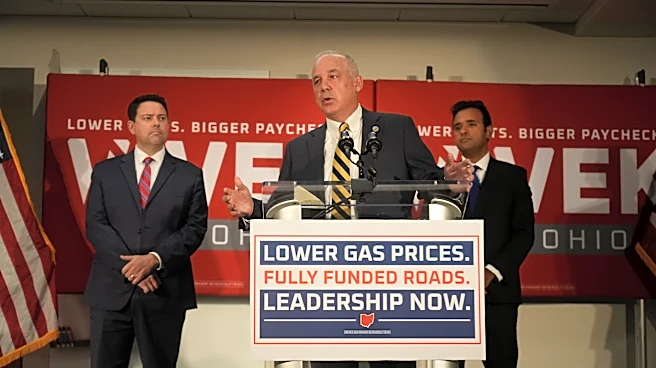
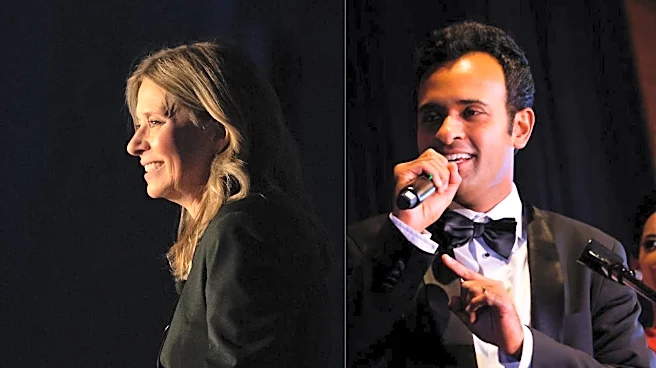
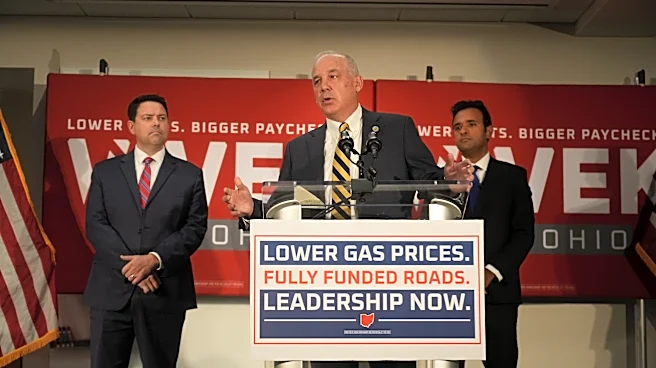
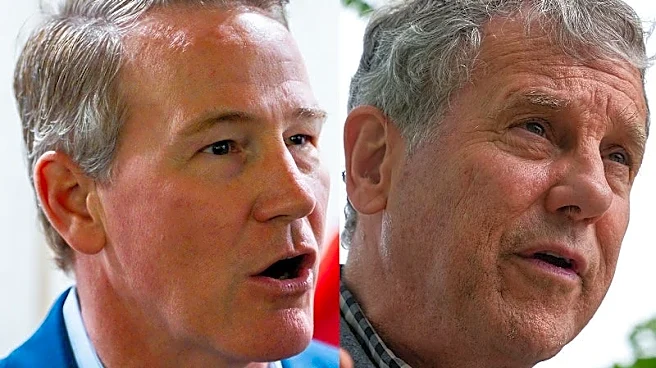
Democratic gubernatorial candidate Dr. Amy Acton has declined invitations to debate Republican Vivek Ramaswamy, and it also appears unlikely that Republican Jon Husted and Democrat Sherrod Brown will share a debate stage.
Regardless of the reasons each campaign offers, the result is that voters will be denied the opportunity to see the candidates debate one another in the public square and have the chance to evaluate them accordingly.

Ohioans see value in debates
It so happens that we included several questions about the desire and value of debates in the latest BGSU/YouGov Poll of Ohio likely voters.
Notably, the poll went into the field prior to the current debate kerfuffle between Acton and Ramaswamy. Although some argue that debates have become less relevant in the age of social media and 24-hour news, others can point to several debate performances as evidence that debates can have important effects on campaigns.
Whatever one believes, Ohioans have a clear opinion that they want to see candidates debate, that debates bring value to the democratic process and that debates help voters become more informed.
Nearly nine in 10 Ohio voters say it is at least somewhat important that candidates for governor participate in televised debates, and a majority say it is very important.
We see nearly identical views regarding the U.S. Senate race.
The data show that 89% agree that debates are a valuable part of the democratic process and 87% say they help voters become more informed. There are few items in American politics that can produce such overwhelming support, especially in such a polarized environment.
Debating is an American tradition
Public debates have been part of American democracy almost since the nation's founding.
One of the earliest recorded debates occurred in 1788 between James Madison and James Monroe, and televised debates have become a familiar staple of modern campaigns. While campaigns have changed dramatically, the central purpose of debates has not. They allow voters to evaluate candidates under the same rules, answering the same questions before the same audience.
Debates are not perfect. They can produce memorable one-liners, awkward moments and political theater. But they also test candidates in ways campaign advertisements never can. They reveal how candidates think under pressure, defend their records, explain their policies and respond to criticism. Even when viewers disagree with what they hear, they gain valuable information about the character of those asking for their vote.
Candidates should approach debates with civility, honesty and respect. Voters deserve this level of professionalism as much as the candidates on the stage do.
Personal attacks and constant interruptions may generate headlines, but substantive exchanges better serve democracy.
Having clear, fair and agreed-upon rules, along with seasoned journalists, can make debates an invaluable resource for the citizenry.
At a time when confidence in politics is low and Americans are hungry for more substantive public discourse, debates remain one of the few civic institutions that command broad public support. Our polling shows Ohioans overwhelmingly believe debates are an essential part of the democratic process and an important way for voters to become informed.
As a member of the Ohio Debate Commission, I know how much work goes into organizing fair, impartial and accessible debates.
The Commission stands ready to provide that opportunity. The question now is whether the candidates will give Ohio voters what they overwhelmingly say they want.

Ohio Debate Commission memberRobert Alexander is a professor of political science and founding director of the Bowling Green State University Democracy and Public Policy Research Network.
This article originally appeared on The Columbus Dispatch: Our polls show Ohioans are sick of toxicity, personal attacks | Opinion