








Local municipalities and school districts facing other budget pressures are grappling with the rising costs associated with increased employee use of weight loss drugs.
Franklin County, for example, is considering paring back its GLP-1 access for weight loss, and Columbus City Schools is grappling with what to do about insurance cost overruns that are, in part, related to GLP-1 expenses.
From May 2025 to 2026, Franklin County spent more than $16 million on GLP-1 drugs for weight loss for its employees and their families, which represents nearly 10% of its budget for health care benefits. A Franklin County spokesperson said that the county is considering discontinuing coverage of GLP-1s for weight loss.
grievance over insurance 'disaster'
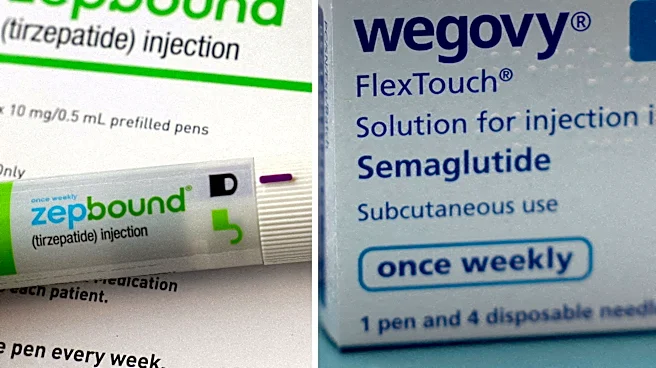
Known by names like Wegovy and Zepbound, GLP-1 medication treats type 2 diabetes and obesity by mimicking a hormone that stimulates the release of more insulin and slows digestion,according to the Cleveland Clinic. The medication can cost up to $1,000 a month for a person paying out of pocket.
In the past decade, GLP-1 use has soared for diabetes management and weight loss. According to the Healthcare Financial Management Association, national GLP-1 spending rose by more than 500% between 2018 and 2023, from $13.7 billion to $71.7 billion, and is estimated to account for 14% of all prescription drug spending in 2026.

In a 2026 study of businesses by the Business Health Group, nearly 80% reported that GLP-1s are driving an increase in their company’s health care costs and that 10% of businesses that do offer GLP-1s for weight loss are unsure they will continue offering it in the future.
Rick Gundling, chief mission impact officer for the Healthcare Financial Management Association, said that in employee benefits plans, as much as 15% of all claims can go toward GLP-1 drugs for weight loss.
Gundling said that there is going to be a need to balance managing GLP-1 costs, the overall budget and potential cost savings down the line from the health benefits of weight loss, such as reduced claims for chronic health problems stemming from obesity.
"These powerful therapies that we have to improve health, but at a cost that forces us to make some challenging trade-offs," Gundling said. "They create an immediate tension between the cost today with much of the potential clinical and financial benefit maybe years down the line."
How local governments are handling weight loss drugs as costs soar
The state of Ohio cut off GLP-1 medications for weight loss beginning on July 1, 2025, The Dispatch previously reported, but coverage of medications like Ozempic will continue for diabetes patients. The medications previously cost Ohio about $40 million a year for 3,500 people, the state told The Dispatch.
Columbus City Schools, the state's largest school district, has been at the center of a controversy related to its insurance benefits after a multi-million-dollar overrun related to GLP-1 coverage resulted from a deal with health insurance consultancy firm Aon.
The Dispatch previously reported that GLP-1 weight loss drugs accounted for $5 million in increased costs for the district. CCS board President Antoinette Miranda said in August a majority of expenses came from medical claims, but Aon failed to account for how GLP-1 weight loss drugs would affect benefit expenses.
"Many other large organizations were turning this coverage off. We did not," Miranda said in August.
Both Columbus and Franklin County are facing tight budgets this year and even tighter budgets heading into 2027. Health care costs are part of the overall personnel expenses driving budget issues, but the cost of GLP-1s is by no means the sole problem facing the city and county.
Franklin County, which spent $176 million in 2025 on employee health coverage, expects to spend $181 million in 2026. While some of it may be driven by GLP-1s, national health care inflation is also driving costs up.
"We have a great health care plan. We've done very well for about a decade," Franklin County Administrator Kenneth Wilson said. "But health care inflation and the cost of certain medications has created a growth rate projected to be greater than our budget in 2027."
Other entities don't cover GLP-1s for weight loss, but still cover them for other conditions. The city of Columbus, for example, had a contract with UnitedHealthcare that covered GLP-1s for some "supplemental indications," but under a new plan with Anthem the city discontinued the expanded coverage except for those grandfathered in.
Olentangy Local Schools, the state's fourth largest district, said in a statement that it does not cover GLP-1s for weight loss, but "works closely with its insurance committee and industry experts to evaluate the benefits and costs for all prescription drugs."
The district said it covers GLP-1 drugs for treatment of diabetes and a handful of other FDA "on label" conditions like obstructive sleep apnea and certain cardiovascular conditions.
"The use of GLP-1s for these other ‘on label’ conditions is closely monitored and includes the use of prior authorizations and the implementation of quantity limits," the Olentangy statement said.
Gundling said that discussion around GLP-1 coverage isn't "black and white."
"It's health care spending. They're paying for it now," Gundling said of many governments and school districts, "and it's competing with overruns and salaries and other thing. How do you create clinically appropriate access that's sustainable over time?"
Dispatch reporter Jordan Laird contributed to this report.
Cole Behrens covers K-12 education and school districts in central Ohio. Have a tip? Contact Cole at cbehrens@dispatch.com or connect with him on X at @Colebehr_report
This article originally appeared on The Columbus Dispatch: GLP-1 drug costs are soaring. How are central Ohio governments coping?