







The number of new cases of cyclosporiasis in Ohio continues to drop, with 189 added in the past week, down from 422 last week, amid a nationwide outbreak in 47 states.
As of Aug. 27, the Ohio Department of Health is reporting 6,063 cases of cyclosporiasis, a gastrointestinal illness caused by a parasite known as cyclospora cayatenensis, in 84 counties so far in 2026. That's up from 5,874 cases in 84 counties as of Aug. 20. All but nine of the cases occurred since June 20.
But the rate of increase has been slowing down over the past several weeks. ODH reported:
- 1,437 new cases from July 24 to 30
- 936 from July 31 to Aug. 6 (down 34% from the previous week)
- 503 from Aug. 7 to 13 (down 46%)
- 422 from Aug. 14 to 20 (down 16%)
- 189 from Aug 21 to 27 (down 55%)
Ohio and Michigan have led the charge in reporting cyclosporiasis incidents, with Michigan's health department stating on Aug. 20 that it had 14,277 cases, including the first two deaths
identified in the nationwide outbreak.
Nationwide, the outbreak linked to iceberg lettuce accounts for more than 10,000 cases in 17 states. The CDC, which lags significantly behind states in reporting infections, has pinpointed 17,180 laboratory-confirmed cases across 47 states between May 1 and its latest update Aug. 24. Laboratories have yet to confirm another 11,841 cases, USA TODAY reports.
Largest outbreak linked to lettuce accounts for more than 10,000 cases in 17 states
While the CDC is currently investigating multiple separate clusters of the gastrointestinal illness, only one source has been identified so far. According to the agency, it is unlikely that one common cause is behind all the outbreaks nationwide.
The largest outbreak, centered in Michigan, was tracked by the Food and Drug Administration back to recalled iceberg lettuce grown by produce giant Taylor Farms in central Mexico. This specific set of illnesses, first identified through traceback from fast-food chain Taco Bell, accounted for 10,930 cases and 454 hospitalizations across 17 states as of Aug. 20, per the CDC.
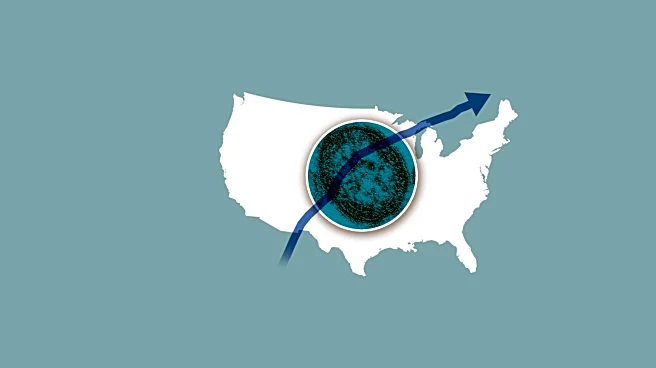
See map of states with cyclosporiasis cases
New Mexico was the latest state added to the CDC's list of those with confirmed cases. Only two states, Delaware and Hawaii, still do not have federally confirmed cases. Michigan and Ohio remain the two states hit the hardest.
The CDC reports only lab-confirmed cases that occurred on or after May 1 in people who did not travel internationally within 14 days of illness onset. Its numbers often lag behind those cited by state health officials because of tracking, verification and reporting processes. There's typically a six-week reporting lag between an illness and the case being reported to the CDC.
Which Ohio counties are hit by cyclosporiasis?
These are the counties reporting 2026 cyclosporiasis cases in Ohio as of Aug. 27, and the number of cases, according to ODH:
- Adams: 1
- Allen: 10
- Ashland: 22
- Ashtabula: 92
- Athens: 4
- Auglaize: 5
- Belmont: 3
- Brown: 1
- Butler: 29
- Carroll: 19
- Champaign: 2
- Clark: 13
- Clermont: 8
- Columbiana: 30
- Coshocton: 4
- Crawford: 41
- Cuyahoga: 814
- Darke: 10
- Defiance: 160
- Delaware: 19
- Erie: 158
- Fairfield: 33
- Fayette: 2
- Franklin: 170
- Fulton: 188
- Gallia: 14
- Geauga: 42
- Greene: 25
- Hamilton: 55
- Hancock: 14
- Hardin: 10
- Harrison: 2
- Henry: 100
- Highland: 6
- Holmes: 3
- Huron: 136
- Jackson: 13
- Jefferson: 15
- Knox: 6
- Lake: 115
- Lawrence: 17
- Licking: 41
- Logan: 4
- Lorain: 374
- Lucas: 897
- Madison: 3
- Mahoning: 61
- Marion: 9
- Medina: 166
- Meigs: 5
- Mercer: 20
- Miami: 9
- Monroe: 1
- Montgomery: 49
- Morgan: 3
- Morrow: 24
- Muskingum: 6
- Noble: 1
- Ottawa: 57
- Paulding: 87
- Pickaway: 4
- Pike: 3
- Portage: 210
- Preble: 7
- Putnam: 9
- Richland: 39
- Ross: 31
- Sandusky: 332
- Scioto: 13
- Seneca: 37
- Shelby: 3
- Stark: 148
- Summit: 211
- Trumbull: 45
- Tuscarawas: 26
- Union: 15
- Van Wert: 10
- Vinton: 3
- Warren: 15
- Washington: 5
- Wayne: 42
- Williams: 33
- Wood: 537
- Wyandot: 54
- Unknown county: 3

How do I know if I have cyclosporiasis? Symptoms, testing
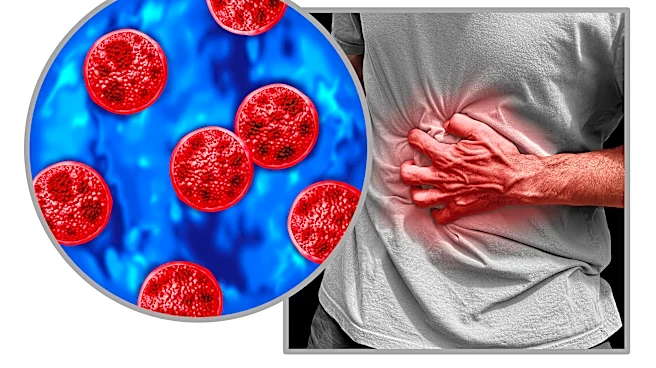
Symptoms of cyclosporiasis may include:
- Explosive, watery diarrhea (most common)
- Loss of appetite
- Weight loss
- Cramping
- Bloating
- Increased gas
- Nausea
- Fatigue
Less common symptoms may include:
- Vomiting
- Body aches
- Headache
- Low-grade fever
- Other flu-like symptoms
Symptoms begin about a week after being infected and can last anywhere from a few days to a month or longer without treatment. Some symptoms, such as diarrhea, may go away and then return.
The illness is diagnosed by testing stool samples, according to the CDC.
Cyclosporiasis prevention. How to protect yourself
The CDC says the best way to prevent cyclosporiasis is to avoid food or water that may be contaminated with feces.
And to help do that, the agency recommends safe food-handling practices when dealing with produce, including:
- Wash hands with soap and water before and after handling or preparing raw fruits and vegetables.
- Wash all fruits and vegetables thoroughly under running water before eating, cutting or cooking.
- Scrub firm fruits and vegetables, such as melons and cucumbers, with a clean produce brush.
- Cut away any damaged or bruised areas on fruits and vegetables before preparing and eating.
- Refrigerate cut, peeled or cooked fruits and vegetables as soon as possible (within two hours).
This article originally appeared on USA TODAY: Ohio sees largest decrease in new cases of illness caused by cyclospora